
Why Bitumen Drums Leak During Export (Causes and Prevention Methods)
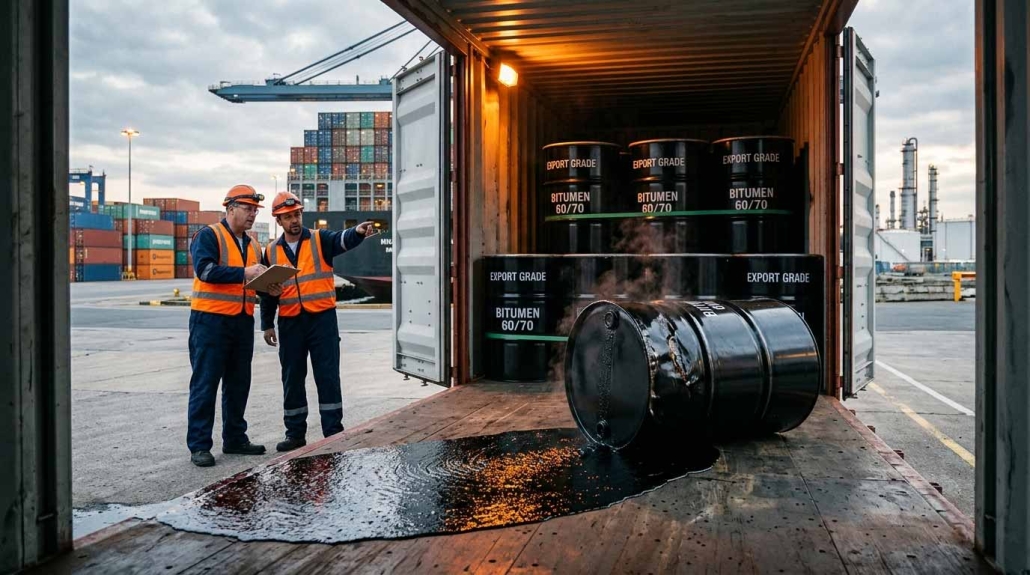
Bitumen drum leakage during export is more than a minor packaging defect—it is a costly problem that affects profitability, brand reputation, and customer trust. Exporters frequently face rejected shipments, contaminated containers, port penalties, and insurance claims due to leaking drums. Understanding why bitumen drums leak during export and how to prevent it is essential for exporters, traders, and logistics companies involved in the global bitumen supply chain.
Why Bitumen Drums Leak During Export
Bitumen is usually filled into steel drums at temperatures between 120–160°C before being transported across long distances by truck, rail, and sea. During this process, temperature changes, pressure buildup, and mechanical stress can lead to leakage. Different bitumen products—such as Cutback Bitumen and Bitumen Emulsion—also behave differently during transport due to their composition and viscosity.
Understanding the Types of Bitumen and how they react to heat and pressure is essential for designing safe export packaging.
Major Causes of Bitumen Drum Leakage
Thermal Expansion of Hot Bitumen
One of the primary causes of bitumen drum leakage during export is thermal expansion. When hot bitumen is filled into drums and the container is overfilled, the product expands as temperature fluctuates during shipping. This pressure can force bitumen through weak seams or imperfect lids.
This issue is closely related to the Difference Between Hot and Cold Bitumen, as temperature behavior directly influences internal drum pressure.
Poor Drum Manufacturing Quality
Low‑quality steel drums significantly increase the risk of leakage. Thin steel sheets, poor welding, and weak seams often fail under internal pressure. These issues highlight the Difference Between High‑Quality and Low‑Quality Bitumen supply chains, where reliable exporters prioritize stronger packaging materials.
Improper Cooling Before Shipment
If drums are stacked or loaded into containers before the bitumen has cooled sufficiently, pressure may build inside the drum. Export terminals connected to a Bitumen Refinery sometimes rush shipments without allowing enough cooling time, which increases leakage risk.
Technical Factors Behind Drum Leakage
The problem often starts earlier in the supply chain during the Bitumen Production Process. Improper handling temperatures or inconsistent product viscosity can affect packaging safety.
Certain specialized products such as Blown Bitumen and Polymer Modified Bitumen require stricter temperature control due to their physical properties. Natural materials like Natural Bitumen may also behave differently depending on composition and impurities.
Logistics and Handling Problems
Even high‑quality drums can leak when they are mishandled during loading or transportation. Rough forklift handling, dropping drums, or stacking them incorrectly in containers can weaken drum seams.
Long shipping routes from the Top Bitumen Producing Countries often involve extreme temperature changes between ports. These fluctuations cause expansion and contraction cycles that stress drum structures.
Risks for Exporters and Buyers
Leaking bitumen drums create several operational and financial risks:
• Shipment rejection at destination ports
• Contamination of shipping containers
• Environmental cleanup costs
• Damage to exporter reputation
• Delays in infrastructure projects
In a market influenced by the Bitumen Price Forecast, such losses can significantly affect profit margins for exporters and distributors.
Best Practices to Prevent Bitumen Drum Leakage
Use High‑Quality Export Drums
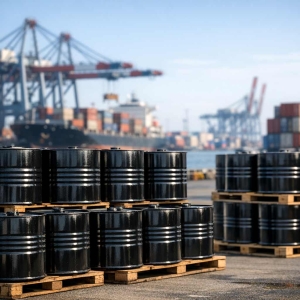
Export‑grade drums should use thicker steel sheets and strong welding at seams. Packaging standards should match the specific bitumen product and its Applications of Bitumen.
Control Filling Temperature and Volume
Avoid overfilling drums and maintain proper filling temperatures. This is particularly important for commonly exported grades discussed in Comparison of Bitumen 60/70 and 80/100 and Comparison of Bitumen 40/50 and 60/70.
Allow Adequate Cooling Time
Before stacking and shipping, drums should be cooled properly to stabilize internal pressure and improve sealing performance.
Improve Container Loading Practices
Proper palletization, careful stacking, and secure container loading reduce mechanical stress on drums and help maintain the Bitumen Shelf Life during long shipments.
Choose the Right Bitumen for Each Project
Exporters and buyers should follow a Guide to Choosing Bitumen Based on Project requirements, considering climate conditions, traffic loads, and construction needs. Selecting the correct product helps prevent performance issues such as the Causes of Asphalt Cracking in road construction.
Final Thoughts
Bitumen drum leakage during export is typically caused by a combination of thermal expansion, low‑quality drums, improper cooling, and rough handling during transport. By understanding bitumen behavior, improving packaging standards, and applying better logistics practices, exporters can significantly reduce leakage risks and ensure reliable delivery of high‑quality products to global markets.
Global Petroleum Trade Solutions | Universal Trades
As a reputable international petroleum trading enterprise, Universal Trades specializes in the reliable procurement, export, and supply chain management of high-grade petroleum commodities, refined fuels, and industrial feedstocks designed to meet rigorous global standards.









Leave a Reply
Want to join the discussion?Feel free to contribute!