
VG 40 Bitumen: Specifications, Uses, and Properties
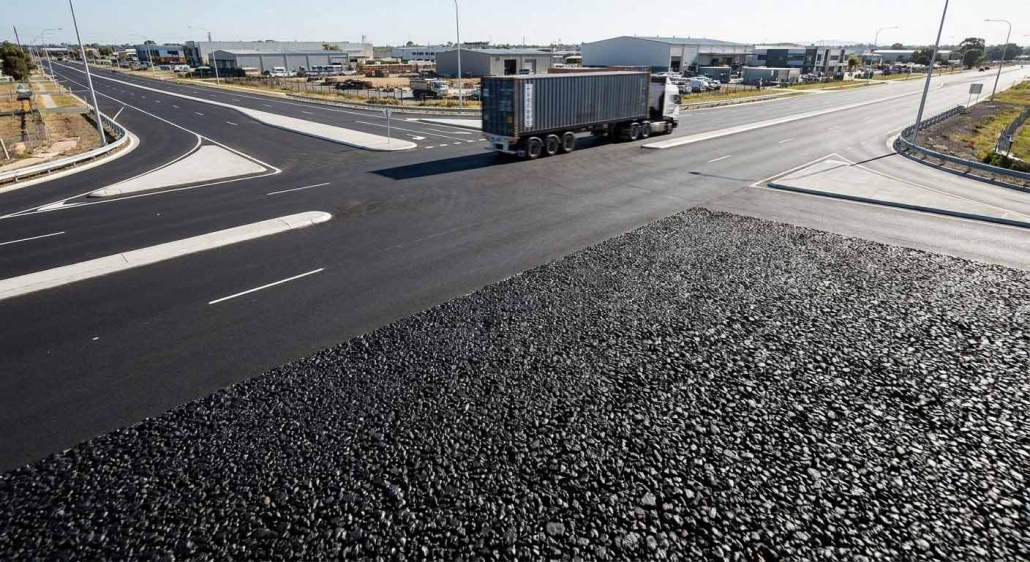
In the road construction industry, the performance of a pavement depends heavily on one key factor: selecting the right binder. Among the available viscosity-graded binders, VG 40 Bitumen is considered one of the strongest options for highways, expressways, and industrial pavements exposed to heavy traffic and high temperatures.
For project managers, contractors, and procurement specialists, choosing an unsuitable bitumen grade can result in rutting, surface deformation, premature failures, and expensive maintenance cycles. This guide explains why VG 40 Bitumen is used in demanding road projects, how it compares with other grades, and which technical properties you should verify before purchasing.
Why VG 40 Bitumen Is Used for Heavy-Duty Roads
Viscosity Grade 40 is a hard paving bitumen specifically developed for roads exposed to severe traffic loads and elevated service temperatures. Unlike traditional penetration-grade bitumen, the viscosity grading system offers a more scientific and performance-based method of classification because it evaluates binder flow behavior at temperatures closer to real operating conditions.
For engineers, this means VG 40 provides higher resistance to rutting and deformation under repeated wheel loads. For procurement teams, it means selecting a binder that is more suitable for roads with slow-moving heavy vehicles, intersections, bus lanes, and industrial yards where pavement stress is exceptionally high.
Compared with softer grades, VG 40 offers greater stiffness at high temperatures, making it a preferred choice in areas where asphalt surfaces are likely to soften and deform during hot weather.
You may also want to review related products such as Oxidized Bitumen 90/15, especially if your project includes waterproofing or industrial insulation applications alongside paving materials.
Comparative Analysis: VG 10, VG 20, VG 30, and VG 40
Choosing the correct viscosity grade depends on climate conditions, axle load, traffic intensity, and pavement design. The table below shows how VG 40 compares with other commonly used viscosity grades.
| Property | Unit | VG 10 | VG 20 | VG 30 | VG 40 |
|---|---|---|---|---|---|
| Absolute Viscosity @ 60°C | Poise | 800 ± 200 | 1600 ± 320 | 2400 ± 480 | 3200 ± 640 |
| Kinematic Viscosity @ 135°C | cSt | 250 min | 300 min | 350 min | 400 min |
| Flash Point (Cleveland Open Cup) | °C | 220 min | 220 min | 220 min | 230 min |
| Solubility in Trichloroethylene | % by mass | 99 min | 99 min | 99 min | 99 min |
| Softening Point (R&B) | °C | 40 min | 45 min | 47 min | 50 min |
When assessing Commonly used bitumen grades, the most important parameter is usually Absolute Viscosity at 60°C, because it gives a clearer indication of how the binder will perform under high service temperatures and heavy traffic stress.

Technical Specifications: VG 40 Bitumen Datasheet
When requesting a Certificate of Analysis (COA), these are the key parameters you should verify. VG 40 is specifically designed for high-stress road applications where greater stiffness and stronger resistance to deformation are required.
| Parameter | Specification | Test Method (IS/ASTM) |
|---|---|---|
| Penetration @ 25°C | 40–60 | IS 1203 |
| Absolute Viscosity @ 60°C | 3200 ± 640 Poise | IS 1206 (Part 2) |
| Kinematic Viscosity @ 135°C | 400 min cSt | IS 1206 (Part 3) |
| Flash Point (COC) | 230°C min | IS 1209 |
| Ductility @ 25°C | 50 cm min | IS 1208 |
| Water Content | 0.2% max | IS 1211 |
| Solubility in Trichloroethylene | 99% min | IS 1216 |
For companies responsible for Bitumen quality testing, these values are essential. Even small variations can reveal the Differences between high-quality and low-quality bitumen, especially in large-scale infrastructure projects.
Use Case Analysis: The Engineering Role of VG 40
VG 40 is not an all-purpose bitumen grade. It is intended for situations where pavement stability under load is more important than flexibility at lower temperatures. In simple terms, VG 40 is harder than VG 30 and therefore more resistant to rutting, but it must be used in the right environment.
Resistance to Rutting
The biggest advantage of VG 40 is its high resistance to rutting. In hot climates and heavily trafficked roads, asphalt surfaces tend to deform under continuous axle pressure. VG 40 provides higher stiffness at 60°C, helping the road maintain its shape and structural performance over time.
Heavy Traffic Suitability
Roads used by trucks, buses, and industrial vehicles place much greater stress on asphalt layers than regular urban roads. VG 40 is often selected for freight corridors, container terminals, intersections, climbing lanes, and bus rapid transit routes where repeated heavy loading is a constant challenge.
High-Temperature Performance
In regions with intense solar heat and high pavement surface temperatures, softer binders may bleed or lose stability. VG 40 performs better in such conditions and is often preferred where surface temperature resistance is a design priority.
If you are comparing this grade with penetration bitumen, you may also find our article on Comparison of Bitumen 60/70 and 80/100 useful for understanding how VG grades differ from traditional penetration grades.
You can also explore Bitumen 85/100 if you are evaluating softer grades for less demanding paving conditions.

VG 40 vs VG 30: Which One Should You Choose?
The choice between VG 30 and VG 40 depends on traffic and climate severity.
VG 30 is often considered the standard option for many roads in moderate to hot climates because it balances workability, flexibility, and stability. VG 40, however, is selected when the pavement must endure heavier loads, more frequent braking, and higher surface temperatures.
In other words:
- VG 30 is suitable for general road construction in moderate to high temperatures.
- VG 40 is more suitable for roads exposed to very heavy traffic and severe thermal stress.
- VG 40 provides better rut resistance, but it may be less flexible than VG 30 in cooler conditions.
If you are preparing a Guide to selecting the right bitumen, understanding this distinction is essential for both technical and commercial decision-making.
Common Challenges and Solutions for VG 40
Even a high-performance binder like VG 40 requires proper handling, storage, and application. Most field issues are caused not by the grade itself, but by poor process control.
Temperature Sensitivity During Heating
VG 40 must be heated carefully during storage, transfer, and mixing. Excessive heating can lead to oxidation, hardening, and performance loss. To preserve product quality, avoid unnecessary overheating during the Bitumen production process.
Storage Stability
Because VG 40 is a harder grade, proper storage is especially important. Insulated tanks and correct circulation help prevent localized hardening and consistency problems. This is a key consideration when managing Bitumen shelf life for long-duration projects.
Leakage in Export Packaging
If you face Causes of leakage in exported bitumen drums, the issue is usually related to filling temperature, packaging quality, or sealing methods rather than the intrinsic quality of the VG 40 itself.
Pavement Distress and Cracking
If cracking appears in the finished asphalt surface, the binder should not automatically be blamed. Many failures occur due to poor mix design, weak sub-base support, or improper compaction. When investigating Causes of asphalt cracking, always analyze the entire pavement system, not just the bitumen grade.
Strategic Applications and Industry Context
VG 40 Bitumen is best viewed as a strategic binder for demanding infrastructure environments. It is especially valuable when the project requires long-term resistance against deformation and high-temperature stress.
Paving and Infrastructure
For Applications of bitumen, VG 40 is commonly used in:
- highways with heavy truck traffic
- industrial access roads
- intersections and roundabouts
- port and terminal pavements
- bus lanes and toll plazas
Comparison Context
For procurement planning, it is useful to compare different grades not only on price but on performance over time. Articles such as Comparison of 40/50 and 60/70 Bitumen can help buyers understand the trade-off between hardness, flexibility, and cost-effectiveness.
Global Market Insight
Bulk bitumen buyers should also follow global market conditions. Monitoring the Global bitumen price forecast, as well as developments among Top bitumen exporting countries and Top bitumen producing countries, can help optimize procurement timing and sourcing strategy.

When Other Bitumen Types May Be Better
Although VG 40 is excellent for high-load road applications, it is not always the right choice for every project.
For smaller, specialized, or non-paving applications, you may need to evaluate:
For example, if the project involves coating, insulation, or roofing rather than asphalt paving, the Best bitumen for roof insulation may be an oxidized or blown grade instead of a viscosity-graded paving bitumen.
Likewise, if your team is still comparing overall product categories, our Introduction to bitumen types and their uses provides a broader overview.
Conclusion
VG 40 Bitumen is a high-viscosity paving binder developed for roads that must perform under heavy traffic, high temperatures, and severe loading conditions. Its main advantage is superior resistance to rutting and deformation, making it ideal for highways, industrial roads, intersections, and other high-stress pavement areas.
However, like all engineering materials, VG 40 must be selected based on project conditions rather than assumption. Climate, traffic intensity, pavement structure, and handling practices all play a role in determining whether this grade is the most suitable option.
If you want to explore more technical resources, you can browse our full collection of Bitumen articles or contact our technical team for project-specific guidance on binder selection and supply.
Global Petroleum Trade Solutions | Universal Trades
As a reputable international petroleum trading enterprise, Universal Trades specializes in the reliable procurement, export, and supply chain management of high-grade petroleum commodities, refined fuels, and industrial feedstocks designed to meet rigorous global standards.









Leave a Reply
Want to join the discussion?Feel free to contribute!