
Diesel Storage: Best Practices, Shelf Life, and Safety
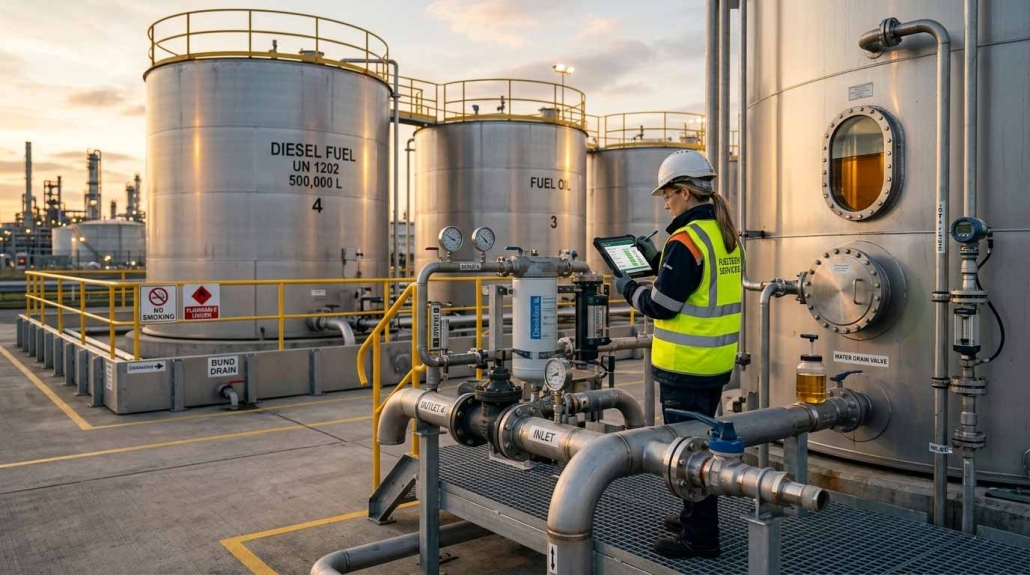
Diesel fuel is widely used in transportation, power generation, construction, and heavy industry. Because supply conditions and prices fluctuate, many businesses and individuals store diesel for later use. However, improper storage can lead to fuel degradation, contamination, and engine damage. Understanding correct diesel storage practices helps preserve fuel quality, reduce operational risks, and ensure reliable performance.
Diesel fuel can usually be stored 6–12 months without significant degradation and up to 18–24 months under controlled conditions. To maintain fuel quality, diesel should be stored in clean, sealed containers or tanks, protected from heat, sunlight, and moisture, and monitored for water contamination and microbial growth. Using stabilizers, proper filtration, and regular tank maintenance can significantly extend diesel shelf life.
Can Diesel Fuel Be Stored?
Yes, diesel fuel can be stored safely for extended periods if proper storage conditions are maintained. Many industries—including logistics companies, mining operations, farms, and fuel trading businesses—store diesel to ensure supply reliability and cost efficiency.
Modern diesel fuels such as EN590 Diesel, D2 Diesel, and ULSD are refined for high performance and lower emissions, but these fuels can gradually degrade if exposed to air, water, heat, or microbial contamination. Proper storage protects fuel quality and prevents operational problems such as clogged filters, injector damage, and reduced engine efficiency.
Understanding the properties of different Types of Diesel Fuel is the first step toward choosing the right storage method.
How to Store Diesel Properly
Effective diesel fuel storage depends on controlling contamination, temperature, and oxygen exposure. Whether storing a small amount for personal use or large volumes for commercial operations, the following principles apply.
Approved Containers and Storage Materials
Individuals storing diesel should use containers specifically designed for petroleum fuels. Recommended options include:
- Metal fuel cans with corrosion‑resistant coatings
- High‑density polyethylene (HDPE) diesel containers
- Certified portable diesel storage tanks
Containers must be clean, airtight, and clearly labeled. Avoid using containers previously used for chemicals or other fuels, as residue contamination can degrade diesel quality.
For larger storage volumes, industrial facilities typically rely on steel or fiberglass tanks, which are also widely used across various Types of Petroleum Products storage systems.
Environmental Storage Conditions
Environmental conditions play a major role in determining diesel shelf life.
Temperature
Diesel should ideally be stored below 21°C (70°F). Higher temperatures accelerate oxidation and chemical degradation.
Sunlight Exposure
Direct sunlight increases fuel temperature and promotes oxidation. Storage tanks should be placed indoors, underground, or under protective shading.
Moisture and Humidity
Water contamination is one of the most common causes of fuel degradation. Condensation inside tanks can introduce water that supports microbial growth.
Ventilation
Properly designed tank ventilation systems prevent pressure buildup while minimizing moisture entry.
Changes in stored fuel—such as darker appearance or sediment formation—may be noticeable through changes in Diesel Color.

Industrial Diesel Storage Systems
Commercial fuel operations rely on specialized diesel storage tanks designed to preserve fuel quality over long periods.
Storage Tank Design
Common diesel storage tank materials include:
- Carbon steel
- Stainless steel
- Fiberglass‑reinforced plastic
These tanks are designed with sealed systems, inspection ports, and drainage points for water removal.
Water Control
Water accumulates in tanks due to condensation and must be removed regularly. Many systems include water separators or drain valves to prevent microbial growth and fuel contamination.
Microbial Contamination
Microorganisms such as bacteria and fungi thrive at the interface between water and diesel fuel. These microbes produce sludge and acids that damage fuel systems.
Applying biocides and periodic tank cleaning can help prevent microbial problems, which are often identified through symptoms described in Signs of Low‑Quality Diesel.
Filtration and Maintenance
Long‑term diesel storage requires routine maintenance:
- Periodic fuel filtration
- Sediment removal
- Tank inspection for corrosion or leaks
- Monitoring fuel stability
These practices are common across petroleum fuel storage systems derived from refinery processes such as the diesel Production Process.
How Long Can Diesel Fuel Be Stored?
The diesel shelf life depends largely on storage conditions and fuel composition.
Typical storage durations include:
- 6–12 months: Standard storage without additives
- 12–18 months: Proper storage with stabilizers and monitoring
- Up to 24 months: Optimal conditions with regular maintenance
However, newer low‑sulfur fuels such as ULSD may have slightly shorter natural stability compared to older diesel formulations.
Blended fuels like Biodiesel generally have a shorter storage life because bio‑components absorb moisture more easily and degrade faster.
Over time, stored diesel may develop:
- Oxidation products
- Sediment and sludge
- Increased acidity
- Fuel discoloration
These changes can negatively affect engine performance and fuel system reliability.
Factors That Shorten Diesel Shelf Life
Several factors accelerate diesel degradation:
- Exposure to oxygen and air
- Water contamination
- High storage temperatures
- Microbial growth
- Poor tank maintenance
- Mixing incompatible fuel grades
Regular inspection and monitoring are essential for maintaining fuel quality, especially for businesses that purchase fuel based on market trends such as those discussed in Diesel Price Forecast.
Safety Precautions for Diesel Storage
Although diesel is less volatile than gasoline, it is still a flammable petroleum product and must be handled carefully.
Important safety measures include:
- Keep diesel away from open flames or ignition sources
- Store fuel in approved containers or certified tanks
- Install secondary containment systems for large tanks
- Ensure proper labeling and regulatory compliance
- Maintain spill control equipment
Understanding how diesel compares with other fuels—such as in the Gasoline vs Diesel Comparison—can also help operators choose appropriate safety practices.
Common Mistakes in Diesel Storage
Many storage problems result from avoidable mistakes, including:
- Using improper or contaminated containers
- Allowing water accumulation in tanks
- Storing fuel in direct sunlight
- Ignoring microbial contamination
- Failing to filter or inspect stored fuel
Such mistakes often lead to degraded fuel that can damage engines and fuel systems.
Practical Tips to Extend Diesel Storage Life
To maximize diesel longevity and reliability:
- Store diesel in clean, sealed tanks or containers
- Maintain stable, cool storage temperatures
- Use fuel stabilizers and biocides when necessary
- Remove water regularly from storage tanks
- Inspect fuel periodically for contamination
- Filter fuel before long‑term storage use
Following these practices ensures reliable fuel quality for fleets, generators, and industrial equipment.
For deeper technical insights and related industry topics, readers can explore additional resources in Diesel Articles, Petroleum Products Articles, and guides covering the broader Types of Petroleum Products used across global energy markets.
Proper diesel storage is not only about preserving fuel—it is about protecting equipment, maintaining operational reliability, and managing fuel investments effectively. With correct storage systems, environmental control, and routine maintenance, diesel can remain stable and usable for extended periods while meeting the demands of modern engines and industrial operations.
Global Petroleum Trade Solutions | Universal Trades
As a reputable international petroleum trading enterprise, Universal Trades specializes in the reliable procurement, export, and supply chain management of high-grade petroleum commodities, refined fuels, and industrial feedstocks designed to meet rigorous global standards.










Leave a Reply
Want to join the discussion?Feel free to contribute!