
Base Oil SN 500: The Backbone of Heavy-Duty Lubrication
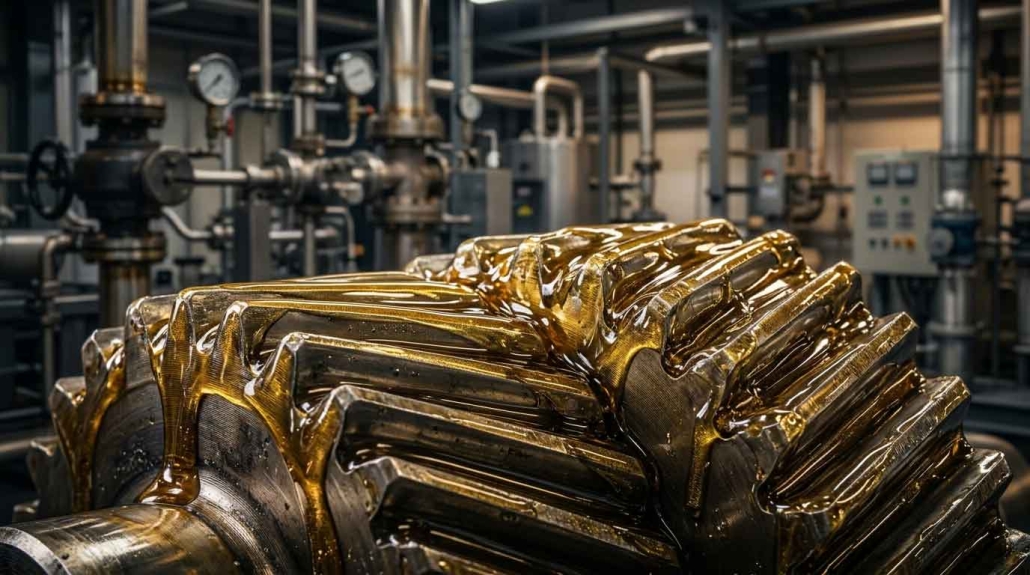
In the global trade of Petroleum Products, Base Oil SN 500 remains a high-volume staple, serving as the heavy-viscosity foundation for the majority of industrial and automotive lubricants. For procurement specialists and blenders, navigating the technical complexities of this grade is not merely about sourcing raw materials; it is about optimizing the chemical synergy between the base stock and additive packages to ensure equipment longevity and cost-efficiency.
The Etymology of SN: From Solvent Extraction to Group I Classification
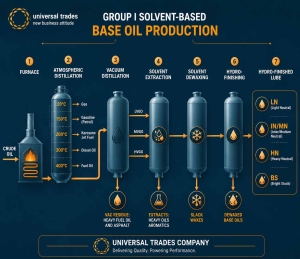
The designation “SN” stands for Solvent Neutral, a term rooted in the specific Base Oil Production Process that defines its chemical identity. Unlike newer hydrocracking methods, the production of SN 500 involves solvent extraction to remove aromatics and solvent dewaxing to improve low-temperature fluidity. The “Neutral” suffix indicates that the finished product has been refined to a chemically stable, non-acidic state.
As a primary Group I Base Oil, SN 500 is characterized by having less than 90% saturates and more than 0.03% sulfur. While modern engine designs increasingly lean toward hydro-processed stocks, the higher aromatic content of Group I oils like SN 500 provides superior solvency. This makes it an indispensable carrier for complex additive packages that might struggle to remain in suspension in more highly refined Group II Base Oil or Group III Base Oil variants.
Advanced Technical Insights: Viscosity Index and Performance Stability
The performance of SN 500 is fundamentally governed by its Viscosity Index (VI). Typically ranging between 95 and 105, the VI of SN 500 measures the oil’s resistance to viscosity changes relative to temperature fluctuations. In heavy-duty applications, such as marine engines or large-scale gearboxes, maintaining a consistent lubricating film is critical. A stable VI ensures that SN 500 provides sufficient thickness at high operating temperatures while remaining pumpable during cold starts.
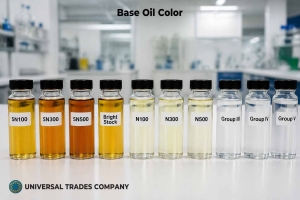
When performing a Base Oil Quality Evaluation, technical teams must look beyond simple viscosity. Base Oil Color is a vital secondary indicator; for SN 500, a typical ASTM D1500 color rating of 2.5 to 3.0 is expected. Sudden deviations in color can signal poor solvent recovery or increased nitrogen content, which directly correlates to the oil’s oxidative stability and its tendency to form sludge over time.
Strategic Blending: The SN 500 Hierarchy
Blenders rarely use SN 500 in isolation. It often acts as the “heavy” component in a blend to achieve specific ISO VG grades. For instance, to produce mid-range automotive lubricants, it may be blended with Base Oil SN 150 or Base Oil SN 300. For lighter applications requiring rapid oil flow at startup, technicians might incorporate Base Oil SN 70.
Conversely, when formulating extra-heavy industrial lubricants, SN 500 is often paired with Bright Stock Base Oil. While SN 500 provides the bulk of the volume, Bright Stock adds the necessary “tackiness” and film strength required for heavy-load gear sets. This inter-connectivity highlights why an Introduction to Base Oil Types and Applications is essential for any technical procurement team.
Commercial Edge: Procurement Strategy and Volatility Management
The SN 500 market is notoriously volatile, influenced heavily by the Lube Cut vs. Base Oil yield balance at major refineries. Since SN 500 is a vacuum distillate, its production competes with fuel oil and marine fuels. When gasoil margins are high, refineries may “crack” the lube cut for fuel production, leading to a supply crunch in the base oil market.
A sophisticated Procurement Strategy involves monitoring the capacity of the Top 10 Base Oil Producing Countries and analyzing a Base Oil Price Prediction before committing to long-term contracts. Furthermore, as sustainability mandates tighten, many blenders are integrating Recycled Base Oil into their supply chains. High-quality re-refined SN 500 can offer a cost-effective and “green” alternative to virgin stocks, provided the hydro-finishing stage of the recycling process is rigorous enough to match virgin Base Oil Specifications.
Technical Comparison: Mineral vs. Synthetic Performance
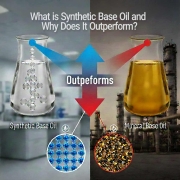
When weighing Mineral vs. Synthetic Base Oil, it is crucial to recognize that SN 500 offers a solvency power that Group IV Base Oil (PAO) and Group V Base Oil lack. This “solvency edge” means that deposits and oxidation by-products are more likely to stay dissolved in SN 500 rather than precipitating as varnish on engine components.
| Specification | Base Oil SN 500 | Group II Alternative | Synthetic (PAO) |
|---|---|---|---|
| Viscosity @ 100°C | 10.5 – 11.5 cSt | 10.0 – 11.0 cSt | 10.0 cSt |
| Viscosity Index | 95 – 105 | 105 – 115 | 135+ |
| Solvency Power | Excellent | Moderate | Low |
| Cost Profile | Competitive | Mid-Tier | Premium |
Buyer’s Checklist for SN 500 Procurement
To ensure the integrity of your supply chain, every shipment of SN 500 should be verified against the following parameters:
- Flash Point (COC): Minimum 230°C to ensure safety in high-heat industrial environments.
- Pour Point: Maximum -6°C to -9°C to guarantee fluidity in temperate climates.
- Sulfur Content: Must be verified to ensure compatibility with specific additive chemistries.
- Noack Volatility: Essential for assessing the oil’s tendency to evaporate in high-temperature engine cylinders.
By maintaining a rigorous focus on these technical benchmarks and staying informed on global market trends, procurement managers can secure SN 500 supplies that not only meet technical requirements but also provide a decisive commercial advantage in a competitive global landscape.
Global Petroleum Trade Solutions | Universal Trades
As a reputable international petroleum trading enterprise, Universal Trades specializes in the reliable procurement, export, and supply chain management of high-grade petroleum commodities, refined fuels, and industrial feedstocks designed to meet rigorous global standards.







Leave a Reply
Want to join the discussion?Feel free to contribute!