
Common Kerosene Problems and How to Fix Them
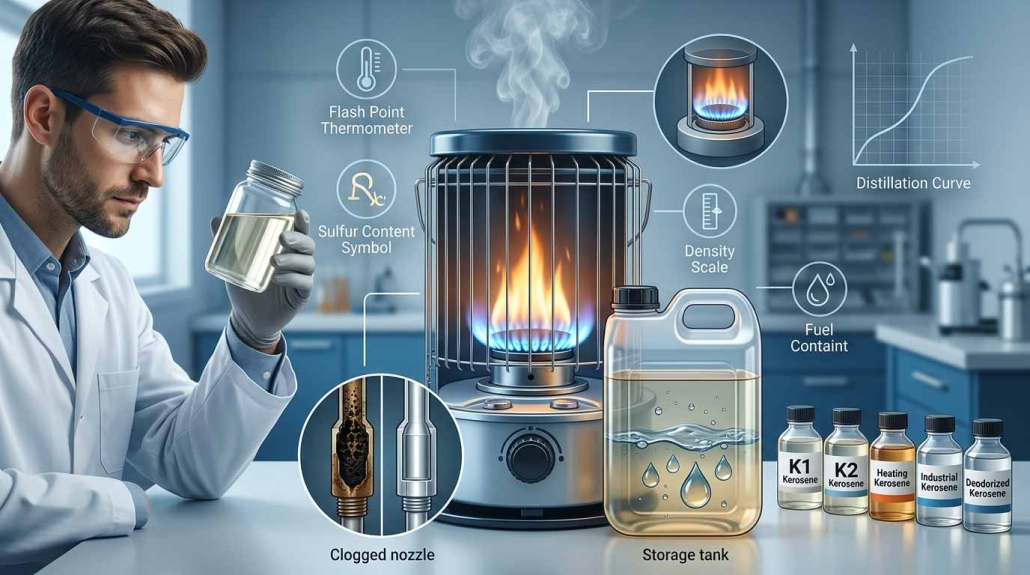
Kerosene performance problems rarely come from the fuel name alone; they usually result from using the wrong grade, poor storage, contamination, or off-spec quality. For buyers, traders, and maintenance teams, understanding a few core fuel properties can prevent smoke, odor, clogging, poor combustion, and safety risks. This guide explains the most common kerosene problems, compares major kerosene types, and shows how to diagnose and solve issues before they damage equipment or interrupt operations. For broader background, readers can also review our Kerosene Articles resources.
Kerosene Types Compared: Common Problems, Causes, and Solutions
| Category | K1 Kerosene | K2 Kerosene | Heating Kerosene | Industrial Kerosene | Deodorized Kerosene |
|---|---|---|---|---|---|
| Typical applications | Indoor heaters, lamps, portable stoves | Space heaters, some outdoor heating uses | Residential/commercial heating systems | Cleaning, solvents, industrial burners, processing | Indoor consumer use where low odor matters |
| Flash point | ~38–72°C | ~38–72°C | ~38–72°C | ~38–72°C | ~38–72°C |
| Sulfur content | Typically very low, often ≤0.04 wt% | Higher than K1, often up to ~0.30 wt% depending on market | Low to moderate, market-dependent | Varies widely by industrial spec | Very low, controlled for odor-sensitive use |
| Density at 15°C | ~0.78–0.81 g/cm³ | ~0.79–0.82 g/cm³ | ~0.79–0.83 g/cm³ | ~0.80–0.84 g/cm³ | ~0.78–0.81 g/cm³ |
| Distillation range | Approx. 150–300°C | Approx. 150–300°C | Approx. 160–300°C | Approx. 160–310°C | Approx. 150–300°C |
| Water & sediment | Should be minimal, typically ≤0.05 vol% | Should be minimal | Should be minimal | Should be tightly controlled | Should be minimal |
| Aromatics / odor | Low odor | Stronger odor possible | Moderate odor | Can be stronger depending on refining | Very low odor |
| Common problems | Weak heat output, burner issues if contaminated | Smoke, odor, deposits | Inconsistent combustion, nozzle fouling | Residue, smell, burner deposits, handling issues | Reduced performance if overtreated or contaminated |
| Likely causes | Water contamination, poor storage, wrong appliance settings | Higher sulfur, more aromatics, dirty tanks | Mixed batches, water, aging fuel | Off-spec supply, contamination, poor filtration | Poor-quality refining or contamination after production |
| Recommended solutions | Use clean storage, test fuel, filter before use | Use in suitable equipment, inspect burner regularly | Verify spec before purchase, drain tank bottoms | Confirm spec sheet, request lab test, improve filtration | Buy from verified suppliers, protect from contamination |
Why Kerosene Quality Ranges Matter
Different grades have different performance expectations, which is why checking a Kerosene TDS before purchase is essential. A fuel may still be called kerosene while behaving very differently in storage or combustion.
Flash Point
A typical kerosene flash point is around 38–72°C.
- Below range: the fuel becomes more volatile, increasing fire and handling risk.
- Above range: ignition may become harder in some burners or appliances.
Sulfur Content
Lower sulfur is especially important for indoor and cleaner-burning applications.
- Below range: usually cleaner combustion and less odor.
- Above range: stronger smell, more smoke, more deposits, and greater maintenance needs.
Density
Typical density often falls between 0.78 and 0.84 g/cm³ at 15°C, depending on grade.
- Too low: may indicate lighter fractions or inconsistent blending, affecting burn behavior.
- Too high: may lead to heavier combustion, deposits, and reduced atomization.
Distillation Range
A normal kerosene boiling/distillation span is often about 150–300°C.
- Too low at the front end: more volatile components can raise safety concerns.
- Too heavy at the upper end: harder burning, soot formation, and nozzle fouling may occur.
Water and Sediment
Water and suspended solids should remain very low, typically not more than trace to 0.05 vol%.
- Above range: corrosion, flame instability, clogging, microbial growth, and poor combustion become more likely.
To understand how refining affects these properties, see our guide to the Kerosene Production Process.

Most Common Kerosene Problems in Real Use
1. Smoke Formation
This is one of the most common kerosene quality issues. It often happens when sulfur, aromatics, or heavy-end components are too high, or when burners are dirty.
Fix: confirm the fuel grade, clean the burner, check airflow, and avoid contaminated or aged fuel.
2. Strong Odor
Strong odor is common with higher-sulfur or poorly refined products, especially compared with deodorized grades.
Fix: use the right fuel type for the application, improve ventilation, and buy from a supplier with verified specifications.
3. Burner Clogging
Clogging usually results from sediment, oxidation products, rust, or heavier fractions in the fuel.
Fix: inspect tank bottoms, filter the fuel, clean nozzles, and avoid storing kerosene too long in unsuitable containers.
4. Poor Combustion or Low Heat Output
If the flame is unstable or heat is weak, density, volatility, contamination, or incorrect equipment settings may be the issue.
Fix: compare the product against its specification range and check whether the correct grade is being used. This matters especially when evaluating Industrial Kerosene versus consumer grades.
5. Safety Risks from Off-Spec Fuel
Fuel that is too volatile or contaminated can increase fire hazards.
Fix: always request test data, review the Kerosene TDS, and avoid mixing unknown products. For related fuel comparisons, see Kerosene vs Gasoline and Kerosene vs Jet Fuel.
Practical Troubleshooting Checklist
If kerosene performance drops, start with these checks:
- Inspect color and clarity for haze, particles, or water bottoms
- Confirm flash point, sulfur, and density against the expected grade
- Review storage conditions and tank cleanliness
- Check whether the equipment is designed for K1, K2, heating, or industrial kerosene
- Ask for a recent test report before bulk purchase
Buyers following global supply trends may also benefit from our Kerosene Price Forecast and Top 10 Kerosene Producing Countries guides. If your business also handles related fuels, you may find Gasoline Color and Gasoline Articles useful for cross-product quality assessment.
Conclusion
Most kerosene problems are not random. They usually come from wrong grade selection, contamination, improper storage, or off-spec quality properties. When users compare flash point, sulfur, density, distillation range, and water content against the proper range, they can quickly identify why smoke, odor, clogging, or poor combustion occurs. In short, better kerosene performance starts with better specification control.
Global Petroleum Trade Solutions | Universal Trades
As a reputable international petroleum trading enterprise, Universal Trades specializes in the reliable procurement, export, and supply chain management of high-grade petroleum commodities, refined fuels, and industrial feedstocks designed to meet rigorous global standards.




Leave a Reply
Want to join the discussion?Feel free to contribute!