
Complete Guide to Sulfur Storage: Handling Moisture and Safety
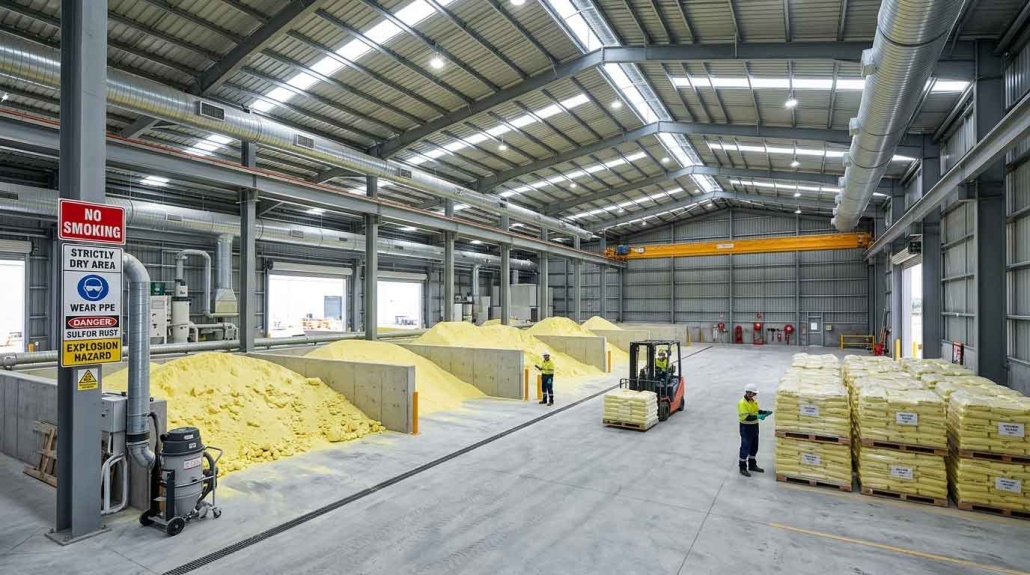
Proper storage is the backbone of efficient trade in Petroleum Products. For industrial buyers, traders, and logistics managers, understanding how to store sulfur correctly is not just a matter of warehouse organization—it is a critical requirement for maintaining product quality, ensuring worker safety, and protecting your bottom line.
Whether you are handling high-purity loads for the chemical industry or large volumes for agriculture, poor storage practices can lead to significant financial loss and operational hazards.
What Is Sulfur and Why Proper Storage Matters?
Sulfur is a versatile element, widely traded in various forms. Depending on your industrial requirements, you might deal with Lumpy Sulfur, which is often a byproduct of oil refining, or highly processed forms like Granular Sulfur or Prilled Sulfur. Even fine-grade Powdered Sulfur and specialized Agricultural Sulfur require unique handling protocols.
Because sulfur is a key raw material for global industries—most notably for Using Sulfur in Sulfuric Acid Production—its quality must remain consistent from the refinery to the end user. Proper storage ensures that the chemical composition, tracked during Sulfur Analysis, remains untainted by environmental factors. When evaluating your supply chain, it is helpful to look at the Introduction to Sulfur Types to understand how different physical states affect your storage requirements.
Key Principles of Proper Sulfur Storage
To maintain sulfur in peak condition, your facility must adhere to four core environmental controls:
- Dry Conditions: Sulfur should be stored in areas completely protected from rain, snow, and rising groundwater.
- Ventilation: Enclosed spaces must have high-volume air exchange to prevent the buildup of sulfur dust or any evolved gases.
- Temperature Control: Keep sulfur away from extreme heat sources. While sulfur is stable at room temperature, it becomes more reactive as temperatures rise.
- Ignition Prevention: Sulfur dust is combustible. Implement strict “No Smoking” policies and ensure that all electrical equipment in storage areas is explosion-proof.
For those managing international logistics, keeping these principles in mind is as important as monitoring the Global Sulfur Price Forecast or checking the supply output from Top Sulfur Producing Countries.
Impact of Moisture and Water on Sulfur
One of the most common questions we receive is: What happens if sulfur is exposed to water?
The consequences are both physical and chemical:
- Caking and Agglomeration: Moisture acts as a binding agent. When sulfur gets wet, it forms hard lumps that are difficult to unload, convey, or feed into industrial processes. This can turn a free-flowing product into a blocked silo nightmare.
- Corrosion: Sulfur, when combined with moisture, can produce small amounts of sulfuric acid, which is highly corrosive to steel, concrete, and standard warehouse equipment.
- Safety Risks: Damp sulfur can lead to the formation of acidic runoff, which poses environmental risks and endangers workers.
- Process Interference: If you are buying with the intent of Complete Guide to Buying Export-Grade Sulfur, remember that moisture content is a major quality penalty. Wet sulfur disrupts the precise ratios required for chemical reactions, reducing the efficiency of your production line.
Best Practices for Warehouse and Bulk Storage
Effective storage is about containment and environment:
- Bulk vs. Bags: If storing in bulk, use non-reactive, concrete floors with high drainage away from the pile. If using bags, ensure they are moisture-proof (usually UV-stabilized, high-density polyethylene) and stored on pallets to prevent capillary moisture absorption from the floor.
- Roofing and Shielding: Permanent warehouses with non-corrosive roofing are ideal. If outdoor storage is necessary, high-quality, weighted tarpaulins are mandatory, but these should be inspected regularly for tears.
- Dust Control: Minimize dust during movement to lower the risk of dust explosions. Use water-mist systems sparingly—only when necessary—as adding moisture is generally discouraged.
Storage Guidelines by Sulfur Type
- Granular Sulfur: Highly prone to dusting; store in silos or well-sealed warehouses to prevent breakage.
- Prilled Sulfur: Spherical and free-flowing, it is easier to handle but requires careful piling to avoid “rolling” which causes dust.
- Lumpy Sulfur: Generally the most resilient, but its irregular size means it can trap moisture more effectively if piles are not managed.
- Powdered Sulfur: Extremely combustible and sensitive to air. Must be stored in sealed, airtight containers away from any potential spark.
- Agricultural Sulfur: Often stored in high-traffic farm environments. Ensure it is kept separate from fertilizers that might contain nitrates, as mixing can create explosive conditions.
Safety, Compliance, and Transport Readiness
Storage is the final step before your product moves into the global market. Adhering to a strict Sulfur Safety Guide is essential for maintaining your company’s reputation and insurance compliance. Whether you are prepping for a local shipment or a large-scale export, your storage area should be treated as a controlled industrial zone.
Always maintain accurate Sulfur Analysis records for every batch in storage. This ensures that when the cargo is ready to be shipped, it meets the exact specifications promised to the buyer.
Conclusion
Managing sulfur storage effectively preserves the purity of your product, reduces waste, and protects your personnel from unnecessary risk. By strictly controlling moisture, ensuring adequate ventilation, and choosing storage methods appropriate for your specific sulfur type, you maximize the value of your assets.
Need assistance with your sulfur logistics or sourcing strategy?
Whether you are looking to secure high-quality feedstock or need expert advice on how to manage your inventory for export, we are here to help. Contact us today for professional insights into supply, handling, and market optimization.
Global Petroleum Trade Solutions | Universal Trades
As a reputable international petroleum trading enterprise, Universal Trades specializes in the reliable procurement, export, and supply chain management of high-grade petroleum commodities, refined fuels, and industrial feedstocks designed to meet rigorous global standards.











Leave a Reply
Want to join the discussion?Feel free to contribute!