
What Causes Asphalt Cracking? The Role of Bitumen Quality
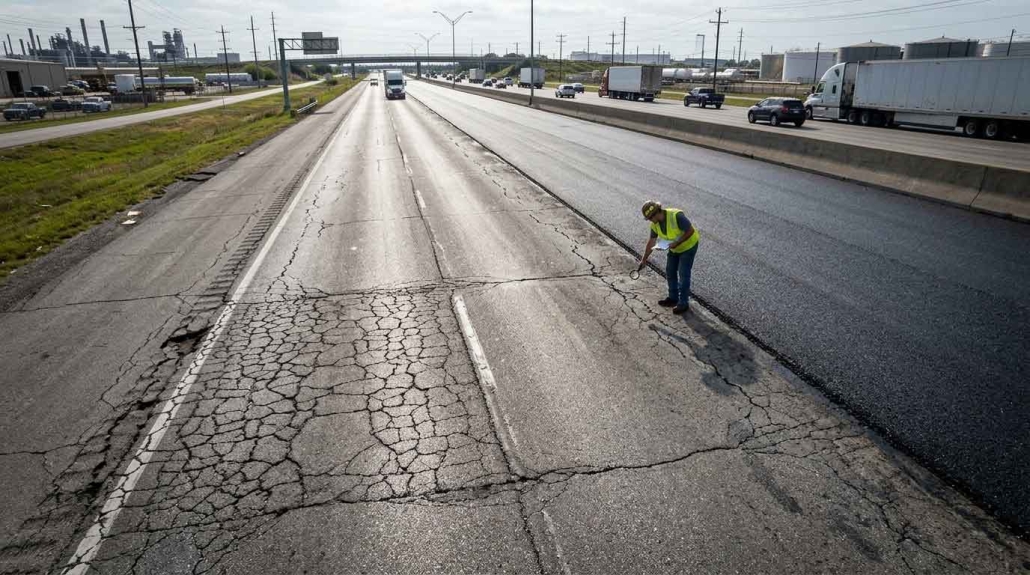
Asphalt pavements are designed to provide smooth, durable surfaces for transportation infrastructure. However, cracking remains one of the most common forms of pavement distress worldwide. Cracks not only reduce ride quality but also allow water to penetrate the pavement structure, accelerating deterioration and increasing maintenance costs.
Understanding the causes of asphalt cracking is essential for engineers, contractors, and bitumen buyers. In many cases, the problem is not only structural or environmental—it is closely linked to bitumen quality, grade selection, and production processes. A deeper understanding of Bitumen Production Process, Types of Bitumen, and proper Guide to Choosing the Right Bitumen for a Project can significantly improve pavement durability.
The Most Common Types of Asphalt Cracking
Different cracking patterns indicate different underlying problems in pavement structure or material performance.
Alligator (Fatigue) Cracking
Appearance:
A network of interconnected cracks resembling an alligator’s skin.
Main Causes:
- Repeated heavy traffic loads
- Weak pavement base or subgrade
- Insufficient asphalt thickness
- Aging or stiff bitumen
Prevention:
- Proper structural pavement design
- Using high‑quality binders such as Polymer Modified Bitumen (PMB) for heavy‑traffic roads
- Correct compaction during construction
Repair:
- Full‑depth patching
- Structural rehabilitation or overlay
Fatigue cracking is often accelerated when low‑grade materials are used, highlighting the Disadvantages of Low‑Quality Bitumen in high‑traffic infrastructure.
Longitudinal Cracking
Appearance:
Cracks running parallel to the centerline of the road.
Main Causes:
- Poor joint construction between lanes
- Temperature stress
- Inadequate bonding between pavement layers
Prevention:
- Proper lane joint construction
- Correct asphalt mixture design
- Selecting the right binder grade such as those compared in Bitumen 60/70 vs 80/100
Repair:
- Crack sealing
- Surface overlays if cracks expand
Transverse Cracking
Appearance:
Cracks running perpendicular to the road centerline.
Main Causes:
- Thermal shrinkage in cold climates
- Hardening and oxidation of bitumen
- Aging of asphalt binder
Over time, oxidation makes the binder brittle, especially when the Bitumen Shelf Life is exceeded before use.
Prevention:
- Using temperature‑appropriate bitumen grades
- Maintaining proper binder flexibility
Repair:
- Crack sealing
- Asphalt overlays for extensive cracking
Block Cracking
Appearance:
Large rectangular cracks forming a grid pattern across the pavement surface.
Main Causes:
- Asphalt aging and oxidation
- Low traffic areas where the pavement is not compacted by vehicles
- Incorrect asphalt mixture composition
Prevention:
- Selecting suitable binders from the Most Commonly Used Bitumen Grades
- Maintaining proper asphalt mixture design
Repair:
- Crack sealing
- Surface milling and resurfacing
Edge Cracking
Appearance:
Cracks forming along the edges of the pavement.
Main Causes:
- Weak or eroded road shoulders
- Poor drainage
- Heavy loads near pavement edges
Prevention:
- Proper shoulder support
- Adequate drainage systems
Repair:
- Edge patching
- Improving drainage and shoulder strength
Reflective Cracking
Appearance:
Cracks that reflect through a new asphalt overlay from underlying layers.
Main Causes:
- Movement in existing cracks beneath the surface
- Thermal expansion and contraction
- Structural movement in concrete or old asphalt layers
Prevention:
- Crack treatment before overlay
- Use of stress‑absorbing membrane layers
Repair:
- Crack sealing
- Overlay reinforcement
Main Causes of Asphalt Cracking
While cracking patterns differ, the main engineering causes are generally linked to four factors.
1. Asphalt Aging and Oxidation
Bitumen gradually hardens due to oxidation, reducing flexibility and increasing brittleness.
2. Binder Stiffness and Temperature Sensitivity
Incorrect binder selection for climate conditions can cause thermal stress. Comparing grades such as Bitumen 40/50 vs 60/70 helps engineers select the proper penetration grade.
3. Traffic Load and Structural Design
Heavy truck traffic requires stronger asphalt mixtures and higher‑performance binders.
4. Climate Conditions
Extreme heat softens asphalt while freeze–thaw cycles create contraction stress.
Understanding Bitumen Uses and Applications and selecting the appropriate binder grade are therefore critical in preventing premature cracking.
The Role of Bitumen Quality in Pavement Performance
Bitumen acts as the binding agent that holds aggregate together in asphalt mixtures. Its properties strongly influence pavement flexibility, durability, and resistance to cracking.
Poor‑quality binders often contain impurities or inconsistent properties, which can be detected through proper Bitumen Quality Tests. High‑performance options such as Polymer Modified Bitumen (PMB) provide improved elasticity and temperature resistance, making them ideal for highways and high‑traffic areas.
The characteristics of the binder also depend on refining techniques used in Bitumen Refineries and the origin of raw materials, including Natural Bitumen sources.
Why Even New Asphalt Pavements Sometimes Crack
It is not uncommon to see cracks appear even in newly paved roads. Several factors can contribute:
- Incorrect bitumen grade selection
- Poor compaction during paving
- Asphalt placed at improper temperature
- Weak or poorly prepared subgrade
- Low‑quality materials
Another common issue is choosing the wrong construction method, such as inappropriate use of Cutback Bitumen or Emulsion Bitumen for specific climate conditions. Understanding the differences between Hot Bitumen vs Cold Bitumen applications is also essential for proper pavement performance.
How to Prevent Asphalt Cracking
Effective prevention requires a combination of proper design, materials, and construction practices.
Key strategies include:
- Selecting the correct binder using a Guide to Choosing the Right Bitumen for a Project
- Using modified binders like Polymer Modified Bitumen (PMB) in high‑stress environments
- Ensuring proper compaction during construction
- Designing adequate pavement thickness
- Maintaining proper drainage
Quality control during material production and transport—supported by global supply chains from Top Bitumen Producing Countries also plays a significant role in ensuring consistent pavement performance.
Repair Methods for Different Types of Asphalt Cracks
Different crack types require different repair strategies.
Common repair techniques include:
- Crack sealing for narrow transverse and longitudinal cracks
- Crack filling for moderate pavement damage
- Patching for localized structural failure
- Overlay resurfacing for widespread cracking
Timely maintenance prevents water infiltration and slows further deterioration.
How Long Asphalt Pavement Normally Lasts
Under normal conditions, well‑constructed asphalt pavement typically lasts 15 to 25 years.
However, the first visible cracks may appear much earlier—often after 3 to 7 years, depending on:
- traffic intensity
- climate conditions
- pavement structure
- maintenance practices
- bitumen quality
Market dynamics and infrastructure demand also influence material availability and costs, which are discussed in industry analyses such as Bitumen Price Forecast reports.
Key Factors That Influence Asphalt Lifespan
Several factors determine how long asphalt pavement will remain crack‑free:
- quality of bitumen and aggregates
- proper mixture design
- traffic load levels
- climate and temperature variation
- regular maintenance and sealing
Engineers and buyers often consult technical resources and Bitumen Articles to stay informed about best practices in pavement construction.
Conclusion
Asphalt cracking is a complex problem influenced by structural design, climate conditions, traffic loads, and—most importantly—bitumen quality. Selecting the appropriate binder grade, ensuring proper construction practices, and performing regular maintenance are essential for long‑lasting pavements.
With the right materials and engineering decisions, asphalt roads can provide reliable performance for decades while minimizing maintenance costs and infrastructure failures.
Global Petroleum Trade Solutions | Universal Trades
As a reputable international petroleum trading enterprise, Universal Trades specializes in the reliable procurement, export, and supply chain management of high-grade petroleum commodities, refined fuels, and industrial feedstocks designed to meet rigorous global standards.










Leave a Reply
Want to join the discussion?Feel free to contribute!