
Petroleum Products: List, Examples, and Their Uses

Petroleum products are useful fuels and materials obtained from crude oil after refining and processing. Crude oil is a complex mixture of hydrocarbons, and refineries separate it into different fractions based on boiling point and molecular size.
These fractions are then processed into products with specific uses. Some petroleum products are fuels used for transportation and energy, while others are raw materials used in industry and everyday consumer goods.
Common petroleum products include gasoline, diesel, kerosene, liquefied petroleum gas (LPG), lubricating oils, paraffin wax, fuel oil, petroleum coke, sulfur, and bitumen.
In short:
Petroleum products are fuels and materials made from crude oil through the refining process.
List of Petroleum Products from Lightest to Heaviest
Main Products Made from Crude Oil:
Here is a simple list of common petroleum products:
- LPG
- Solvents
- Naphtha
- Gasoline
- Kerosene
- Jet fuel
- Diesel
- Lubricating oil / base oil
- Paraffin wax
- Fuel oil
- Sulfur
- Petroleum coke
- Bitumen
Important note about LNG
LNG is not usually listed as a standard petroleum product from crude oil refining.
LNG stands for Liquefied Natural Gas and is mainly produced from natural gas, not from crude oil refining. For that reason, LPG belongs in this article, but LNG should only be mentioned as a related hydrocarbon fuel, not as a core petroleum product.
Common Petroleum Products and Their Uses
The table below lists some of the most common petroleum products, their main uses, refining fractions, and typical carbon ranges.
| Petroleum Product | Main Use | General Refining Fraction | Typical Carbon Range |
|---|---|---|---|
| LPG | Cooking, heating, fuel cylinders, autogas | Very light gases | C3–C4 |
| Naphtha | Petrochemical feedstock, gasoline blending | Light fraction | C5–C10 |
| Gasoline | Fuel for cars and motorcycles | Light fraction | C4–C12 |
| Kerosene | Heating, lighting, aviation-related uses | Middle distillate | C10–C16 |
| Jet fuel | Fuel for aircraft turbines | Kerosene-range fraction | C8–C16 |
| Diesel | Fuel for trucks, buses, generators, machinery | Middle distillate | C10–C22 |
| Lubricating oil / base oil | Engine oils, industrial lubricants, greases | Heavy distillate | C20–C50+ |
| Paraffin wax | Candles, packaging, coatings, cosmetics | Heavy waxy fraction | C20–C40 |
| Fuel oil | Boilers, furnaces, ships, industrial heating | Heavy fraction / residue | C20–C70+ |
| Bitumen | Road paving, roofing, waterproofing | Residue | C70+ |
Other important refinery outputs include sulfur and petroleum coke, which are used in industry.

What Are Examples of Petroleum Products?
If someone asks for just a few examples, these are the most common:
- gasoline
- diesel
- kerosene
- LPG
- bitumen
It could also include:
- lubricating oil
- paraffin wax
- fuel oil
Petroleum Products and Their Uses
Below is a more detailed explanation of the main petroleum products and why they are important.
1. LPG (Liquefied Petroleum Gas)
LPG is mainly a mixture of propane and butane. It is used for:
- household cooking
- heating
- fuel cylinders
- some vehicles
Because it burns relatively cleanly, LPG is widely used where pipeline gas is unavailable.
For more articles about LPG, visit the “LPG Articles“ section.
2. Solvents
Some petroleum fractions are used as industrial solvents. These solvents are important in:
- paints
- coatings
- cleaning products
- adhesives
- chemical manufacturing
They are usually lighter hydrocarbon mixtures derived from early refining fractions.
3. Naphtha
Naphtha is one of the most important petroleum fractions because it is a major petrochemical feedstock. It is used to produce:
- ethylene
- propylene
- plastics
- synthetic fibers
- chemicals
It is also used in gasoline blending.
For more articles about naphtha, visit the “Naphtha Articles“ section.
4. Gasoline (Petrol)
Gasoline is one of the best-known petroleum products. It is mainly used as fuel in:
- passenger cars
- motorcycles
- small engines
Gasoline is made by blending several refinery streams to achieve the required quality and octane rating.
Why gasoline is important
- high energy density
- easy use in spark-ignition engines
- one of the most consumed transport fuels in the world
For more articles about gasoline, visit the “Gasoline Articles“ section.
5. Kerosene
Kerosene is a middle petroleum fraction traditionally used for:
- lighting
- cooking
- heating
Today, its most important role is in aviation-related fuel ranges and some heating applications.
For more articles about kerosene, visit the “Kerosene Articles“ section.
6. Jet Fuel
Jet fuel is a specially treated kerosene-range product used in aircraft turbine engines. It must meet strict quality standards for:
- freezing point
- combustion quality
- safety
- performance at high altitude
7. Diesel
Diesel is a heavier fuel than gasoline and is used in:
- trucks
- buses
- tractors
- generators
- ships
- industrial equipment
Diesel engines are valued for fuel efficiency and high torque, which is why diesel remains essential in transport and heavy industry.
Low-sulfur diesel
Many countries now require low-sulfur diesel to reduce emissions and improve air quality.
Note: Biodiesel is not a petroleum product. It is a renewable fuel made from vegetable oils or fats. It can be mentioned for comparison, but it should not be treated as a standard petroleum product.
For more articles about diesel fuel, visit the “Diesel Articles” section.
8. Lubricating Oil and Base Oil
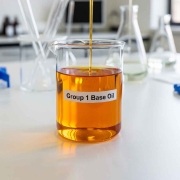
Heavy petroleum fractions are processed into base oils, which are then used to make lubricants such as:
- engine oil
- hydraulic oil
- gear oil
- industrial lubricants
- greases
These products reduce friction, wear, and heat in moving machinery.
the main point is simple:
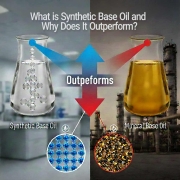
Base oil is a petroleum-derived material used to make lubricants for vehicles and machines.
For more articles about base oil, visit the “Base Oil Articles” section.
9. Paraffin Wax
Paraffin wax is a solid petroleum product obtained from heavier fractions. It is used in:
- candles
- packaging
- waterproof coatings
- cosmetics
- polishes
- crayons
This is one of the easiest examples of a petroleum product used in daily life.
10. Fuel Oil
Fuel oil is a heavy petroleum product used for:
- industrial furnaces
- boilers
- power generation
- marine fuel in some applications
It is thicker and heavier than diesel and gasoline.
For more articles about Fuel Oil, visit the “Fuel Oil Articles“ section.
11. Sulfur
Sulfur is an important refinery byproduct removed from crude oil to improve fuel quality and reduce pollution. It is used in:
- sulfuric acid production
- fertilizers
- chemicals
- rubber processing
Even though sulfur is not a fuel, it is still an important output of petroleum refining.
For more articles about Sulfur, visit the “Sulfur“ section.
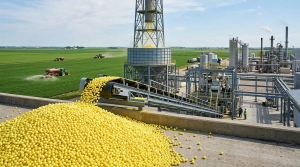
12. Petroleum Coke (Petcoke)
Petroleum coke is a carbon-rich solid obtained from the heaviest refinery residues. It is used in:
- cement plants
- power generation
- aluminum industry
- steel industry
- electrode manufacturing
For more articles about Petroleum Coke, visit the “Petroleum Coke“ section.
13. Bitumen (Asphalt)
Bitumen is the heaviest major product of crude oil refining, typically derived from vacuum bottom in the distillation process. It is used in:
- road construction
- asphalt pavement
- roofing
- waterproofing
If someone asks which petroleum product is used for road construction, the answer is:
Bitumen (asphalt) is the petroleum product used for paving and surfacing roads.
For more articles about Bitumen, visit the “Bitumen“ section.
Petroleum Products in Daily Life
Many people think petroleum is only used as fuel, but petroleum products are also part of daily life. Examples include:
- plastic bottles and food containers
- polyester and nylon clothing
- detergents and cleaners
- cosmetics and lip balms
- petroleum jelly and mineral oil
- candles
- paints
- synthetic rubber and tires
- packaging materials
- asphalt roads
- some medical ointments
How Crude Oil Becomes Different Petroleum Products
Crude oil does not come out of the ground as ready-to-use gasoline or diesel. It must be refined.
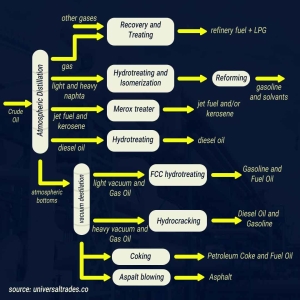
Main steps in refining
-
Distillation
The crude oil is heated and separated into fractions based on boiling point.
-
Conversion
Heavier fractions may be cracked or upgraded into lighter, more valuable products.
-
Treatment
Impurities such as sulfur are removed.
-
Blending
Final products are blended to meet commercial specifications.
This is why one barrel of crude oil can produce many different petroleum products instead of just one.
Petroleum vs. Petroleum Products
These terms are related but not the same.
Petroleum
Petroleum means crude oil, the raw natural liquid extracted from underground reservoirs.
Petroleum products
Petroleum products are the finished or semi-finished materials obtained after refining crude oil.
So:
- petroleum = raw material
- petroleum products = refined outputs
Types of Petroleum vs. Types of Petroleum Products
This part is mainly about types of petroleum products, not types of crude oil.
Types of petroleum products
Examples include:
- gasoline
- diesel
- kerosene
- LPG
- lubricants
- paraffin wax
- bitumen
Types of petroleum
When people search for types of petroleum, they may actually mean types of crude oil, such as:
- light crude
- heavy crude
- sweet crude
- sour crude
- paraffin-base crude
- naphthenic crude
Main Uses of Petroleum and what is petroleum used for?
Petroleum is mainly used for:
- transportation fuels
- heating and cooking fuels
- electricity generation
- lubricants for engines and machinery
- petrochemicals for plastics and chemicals
- road construction materials
- industrial manufacturing
In short, petroleum supports both energy systems and material production.
What Is a 7-Carbon Petroleum Product?
A 7-carbon hydrocarbon is typically heptane, with the formula:
C7H16
Heptane is commonly associated with gasoline-range hydrocarbons. So if someone asks about a 7-carbon petroleum product, the clearest short answer is:
A 7-carbon petroleum hydrocarbon is heptane, which is found in gasoline fractions.
Quick Answer: 4 Products Derived Primarily from Crude Oil
If you need a short educational answer, four common products derived primarily from crude oil are:
- gasoline
- diesel
- kerosene
- bitumen
Conclusion
Petroleum products are the many useful fuels and materials obtained from refining crude oil. The most common examples include gasoline, diesel, kerosene, LPG, lubricating oils, paraffin wax, fuel oil, petroleum coke, sulfur, and bitumen. These products are essential to transportation, manufacturing, energy supply, road construction, and daily life.
Understanding petroleum products is important not only for industry, but also for understanding how many ordinary items — from vehicle fuels to plastics and candles — are connected to crude oil refining.
Frequently Asked Questions (FAQ)
1. What are petroleum products?
Petroleum products are fuels and materials made from crude oil after refining. Common examples include gasoline, diesel, kerosene, LPG, lubricants, paraffin wax, fuel oil, petroleum coke, sulfur, and bitumen.
2. What are 5 examples of petroleum products?
Five common petroleum products are gasoline, diesel, kerosene, LPG, and bitumen.
3. What are 10 products made from crude oil?
Ten common products made from crude oil are gasoline, diesel, kerosene, jet fuel, LPG, naphtha, lubricating oil, paraffin wax, fuel oil, and bitumen.
4. What products are made from petroleum in daily life?
Many everyday items are made from petroleum or petroleum-derived chemicals, including plastics, synthetic fabrics, detergents, cosmetics, candles, packaging materials, tires, paints, and asphalt.
5. What is petroleum used for?
Petroleum is mainly used for transportation fuels, heating, electricity generation, lubricants, petrochemicals, industrial manufacturing, and road construction materials.
6. What is the difference between petroleum and petroleum products?
Petroleum is crude oil in its raw natural form. Petroleum products are the useful substances obtained from crude oil after refining and processing.
7. Is gasoline a petroleum product?
Yes. Gasoline is one of the most common petroleum products and is produced by refining crude oil.
8. Is diesel a petroleum product?
Yes. Diesel is a petroleum product made from the middle distillate fractions of crude oil.
9. Is LPG a petroleum product?
Yes. LPG is a petroleum product composed mainly of propane and butane.
10. Is LNG the same as LPG?
No. LNG is liquefied natural gas, mainly methane, while LPG is liquefied petroleum gas, mainly propane and butane. LNG is related to gas processing, while LPG is commonly classified as a petroleum product.
11. Which petroleum product is used for road construction?
Bitumen, also called asphalt binder, is the petroleum product used for paving and surfacing roads.
12. Are paraffin wax candles made from petroleum?
Yes. Most conventional paraffin candles are made from petroleum-derived wax.
13. Are Vaseline and mineral oil petroleum products?
Yes. Petrolatum and mineral oil are highly refined petroleum-derived substances commonly used in cosmetics and personal care products.
14. What is a 7-carbon petroleum product?
A common 7-carbon petroleum hydrocarbon is heptane (C7H16), which is found in gasoline fractions.
Global Petroleum Trade Solutions | Universal Trades
As a reputable international petroleum trading enterprise, Universal Trades specializes in the reliable procurement, export, and supply chain management of high-grade petroleum commodities, refined fuels, and industrial feedstocks designed to meet rigorous global standards.









I read this article and realized that base oil is really important in the oil industry. But what exactly is the difference between it and what we usually call a “lubricant” or “lubricating oil”? I mean, is every oil we buy considered a lubricant, or are they different?
That’s an excellent question! Essentially, all lubricants (like engine oil or gear oil) are made from base oil, but base oil itself isn’t a complete lubricant on its own.
Think of base oil like flour in baking. You can make all sorts of bread, cakes, or pastries with flour, but flour alone doesn’t have those final properties. Base oil serves as the primary raw material for manufacturing lubricants.
For base oil to become a finished, usable lubricant, various chemical additives are blended into it. These additives are what provide specific properties to the final oil (the lubricant), such as resistance to high temperatures, enhanced wear reduction, rust prevention, or cleaning capabilities. For example, the engine oil you buy for your car is a blend of base oil and many additives that enable it to perform under engine conditions.
So, the main difference is: Base oil is the core raw material of lubricants, whereas lubricants are the finished products, formulated by combining base oil with additives for specific applications.
Thank you for this comprehensive and practical article! You’ve truly provided valuable information about petroleum products and their diverse applications. Given that asphalt has different types categorized by penetration grade, and they have varying applications for hot and cold regions, could you elaborate on how the appropriate type of asphalt is chosen for a specific project (e.g., road paving in a region with highly fluctuating weather conditions)?
You’re most welcome; I’m glad the article was useful! Selecting the right asphalt for a project, especially in regions with fluctuating weather, is crucial and depends on several factors:
Climatic Conditions:
Hot Regions: To prevent the asphalt from softening and deforming at high temperatures, lower penetration grade asphalts (harder) are used. These asphalts offer greater resistance to rutting.
Cold Regions: In these areas, to prevent cracking caused by thermal contraction and expansion, higher penetration grade asphalts (softer and more flexible) are employed.
Regions with Fluctuating Weather: In such regions, which experience both high and low temperatures, polymer-modified bitumens (PMB) are often used. The addition of polymers improves asphalt properties, including increased resistance to cracking in cold weather and resistance to deformation (rutting) in hot weather. These asphalts offer greater flexibility and durability.
Traffic Volume and Load Type:
Roads with heavy traffic and high loads (like highways) require more robust and durable asphalts that can withstand the stresses of traffic. In these cases, polymer-modified bitumens or lower penetration grade asphalts might be better choices.
For roads with lighter traffic, more standard asphalts can be used.
Project Type and Asphalt Layer:
The asphalt used in different layers of pavement (such as the base, binder, and surface course) may vary. Each layer requires different asphalt properties to optimize the overall pavement performance.
In summary, in regions with highly fluctuating weather and for critical projects like road paving, civil consultants and engineers consider all these factors, using relevant tests and standards, to select the appropriate asphalt type. The use of polymer-modified bitumens in these conditions is increasingly common due to their ability to provide a balance between heat resistance and cold-weather flexibility.
The article mentions Base Oil is crucial for lubricants. What is the fundamental difference in the refining process that distinguishes high-quality Base Oil from simple Fuel Oil (Mazut), given that both come from the heavier cuts?
The difference lies in the intensive purification. While Mazut is simply a heavy residue used for fuel, Base Oil undergoes additional, specialized processes like hydrocracking, solvent extraction, and dewaxing to remove impurities (sulfur, aromatics, nitrogen) and improve its Viscosity Index (VI) and oxidative stability, making it suitable for long-term lubrication.
A very comprehensive list! I appreciate the mention of Naphtha as a bridge between fuel and chemicals. In the 2026 market, we are seeing a trend where refineries are maximizing Naphtha production over Gasoline to feed the growing demand for Ethylene and Propylene. Does Universal Trades offer both Light and Heavy Naphtha? And how do you ensure the Paraffin content is high enough for steam cracking efficiency?
Hello Dr. Chen, thank you for your professional input. You’re right—the “Chemical Integration” of refineries is a major trend this year. We do supply both Light Naphtha (ideal for ethylene crackers) and Heavy Naphtha (perfect for catalytic reforming). To ensure maximum efficiency for our clients, our quality control team checks the PONA analysis (Paraffins, Olefins, Naphthenes, Aromatics) for every batch, prioritizing high paraffinic content for petrochemical applications.