
Kerosene TDS (Technical Data Sheet): Key Grades, Specs

When buyers search for “Kerosene TDS”, they usually don’t want a long PDF—they want a clear overview of grades, test methods, and acceptable ranges so they can quickly decide if a product fits their application or export requirement. This guide summarizes the most common kerosene grades and their typical technical ranges in a single, easy‑to‑read page.
Tip: For a broader market view beyond specifications, see our articles on Kerosene Price Forecast and the Top 10 Kerosene Producing Countries.
1. Main Kerosene Grades Covered
This article compares the following grades, which often appear in TDS / COA documents:
- K1 Kerosene (low sulfur, indoor use)
- K2 Kerosene (higher sulfur, general/industrial use)
- Jet A (aviation fuel, mainly North America)
- Jet A‑1 (global standard aviation fuel) – see also Kerosene vs. Jet Fuel
- Jet B (wide‑cut fuel for very cold climates)
- Heating Kerosene (domestic & commercial heating)
- Industrial Kerosene (solvent, cleaning, process use)
- Deodorized Kerosene (low odor, specialty/indoor applications)
For background on how these grades are produced from crude, you can refer to Kerosene Production Process and our broader Kerosene Articles section.
2. Comparative Kerosene TDS Table (Typical Ranges)
Important: Values below are typical indicative ranges, not a substitute for your supplier’s official TDS or ASTM/DEF STAN specs. Always check contractual specifications.
2.1 Typical Specification Ranges
| Property | K1 | K2 | Jet A / A‑1* | Jet B | Heating Kerosene | Industrial Kerosene | Deo dorized Kerosene |
|---|---|---|---|---|---|---|---|
| Density @ 15°C (kg/m³) | 770–820 | 780–830 | 775–840 | 750–800 | 780–830 | 780–830 | 770–820 |
| Kinematic Viscosity @ 40°C (mm²/s) | 1.2–2.0 | 1.3–2.5 | 1.3–1.9 | 0.8–1.7 | 1.3–2.5 | 1.3–3.0 | 1.2–2.0 |
| Flash Point (°C) (PMCC) | min 38–40 | min 38 | min 38 (Jet A‑1) | min −20 to 0 | min 38–40 | min 38 | min 38–40 |
| Freeze Point (°C) | ≤ −40 (typical) | ≤ −30 (typical) | Jet A −40 / A‑1 −47 | ≤ −50 | ≤ −30 (typical) | ≤ −25 (typical) | ≤ −30 (typical) |
| Sulfur, total (% m/m) | ≤ 0.04 | ≤ 0.3 | typically ≤ 0.3 | typically ≤ 0.3 | ≤ 0.2–0.3 | ≤ 0.3–0.5 | ≤ 0.04–0.2 |
| Smoke Point (mm) | ≥ 20 | ≥ 18 | ≥ 25 | ≥ 20 | ≥ 18–20 | ≥ 18 | ≥ 20 |
| Copper Strip Corrosion | ≤ 1 | ≤ 1 | ≤ 1 | ≤ 1 | ≤ 1 | ≤ 1 | ≤ 1 |
| Water & Sediment
(% vol) |
≤ 0.05 | ≤ 0.05 | ≤ 0.003–0.005 | ≤ 0.003–0.005 | ≤ 0.05 | ≤ 0.1 | ≤ 0.05 |
| Appearance / Color | clear, water‑white | clear to pale | clear, bright | clear | clear to pale | clear to slightly yellow | clear, low‑odor |
*For strict aviation use, always refer to DEF STAN / ASTM D1655 specs and see our detailed article on Kerosene vs. Jet Fuel.
3. What Happens If Values Are Out of Range?
A good Kerosene TDS doesn’t just list numbers; it explains why they matter. Here’s how going outside the ranges can affect performance, safety, and compliance.
3.1 Density & Viscosity
-
Too low density or viscosity
- Poor lubricity → accelerated pump and injector wear
- Possible leakage in tight‑clearance systems
- Inaccurate metering in aviation and industrial burners
-
Too high density or viscosity
- Poor atomization → incomplete combustion, higher soot and emissions
- Difficult cold start and flow issues
- Can cause burner nozzles to foul in heating systems
3.2 Flash Point
-
Below minimum flash point (e.g., < 38°C for domestic/industrial grades):
- Higher fire and explosion risk during storage and transport
- May be classified as a more hazardous product → stricter transport rules
- Can violate local regulatory and insurance requirements
-
Too high flash point (rare, but possible when heavy fractions are blended):
- Harder ignition, poor performance in some burners or cold conditions
3.3 Sulfur Content
- Above spec sulfur
- Increased SOx emissions → potential non‑compliance with environmental regulations
- Higher corrosion in tanks, pipelines, and combustion equipment
- For indoor/heating use, may cause strong odor and health complaints
Low sulfur is especially important for K1, Deodorized Kerosene and many markets where clean heating fuels compete with gasoline and diesel; see Kerosene vs. Gasoline and our Gasoline Articles for comparison.
3.4 Freeze Point
- Freeze point not low enough (esp. for Jet A‑1, Jet B):
- Wax formation in lines and filters at altitude or cold climate
- Flow restrictions → engine flameout risk in aviation
- For heating kerosene used in cold regions, gelling can stop burners and pumps
3.5 Smoke Point & Combustion Quality
- Smoke point below spec:
- Sooty flame, deposits on heat exchangers and chimneys
- Reduced thermal efficiency and more frequent maintenance
- Complaints about indoor air quality for K1 and Deodorized Kerosene
3.6 Water & Contaminants
- Water and sediment above limit:
- Filter plugging, corrosion in tanks and lines
- In aviation fuel, free water + low temperatures can → ice crystals and filter blockage
- For industrial users, leads to unstable burners and unexplained shutdowns
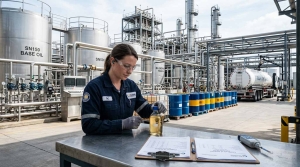
4. How to Read a Kerosene TDS as a Buyer
When comparing offers from different suppliers:
-
Match the grade to your application
- Indoor heaters → K1 or Deodorized Kerosene
- Aviation → Jet A / Jet A‑1 / Jet B only, per relevant standards
- Boilers & furnaces → Heating or Industrial Kerosene (check burner recommendations)
-
Check critical specs first
- Flash point, sulfur, freeze point, viscosity
- Confirm values fall clearly inside the recommended range, not just at the extreme limit.
-
Verify compliance with standards
- ASTM / DEF STAN / regional standards listed in the TDS
- For export deals, ensure the product can enter target markets.
-
Compare with your own operating conditions
- Climate (cold, temperate, tropical)
- Burner or engine design
- Local safety and emissions regulations
Conclusion
A kerosene Technical Data Sheet (TDS) is not merely a collection of numbers; it is a practical roadmap for evaluating product safety, combustion quality, export suitability, and operational performance. Each grade—from K1 to Jet B—has its own technical requirements, and using the wrong grade can lead to significant operational costs or even serious safety risks.
Global Petroleum Trade Solutions | Universal Trades
As a reputable international petroleum trading enterprise, Universal Trades specializes in the reliable procurement, export, and supply chain management of high-grade petroleum commodities, refined fuels, and industrial feedstocks designed to meet rigorous global standards.








Leave a Reply
Want to join the discussion?Feel free to contribute!