
Performance Grade (PG) Bitumen: Superpave Specifications, Grading System, and Global Procurement
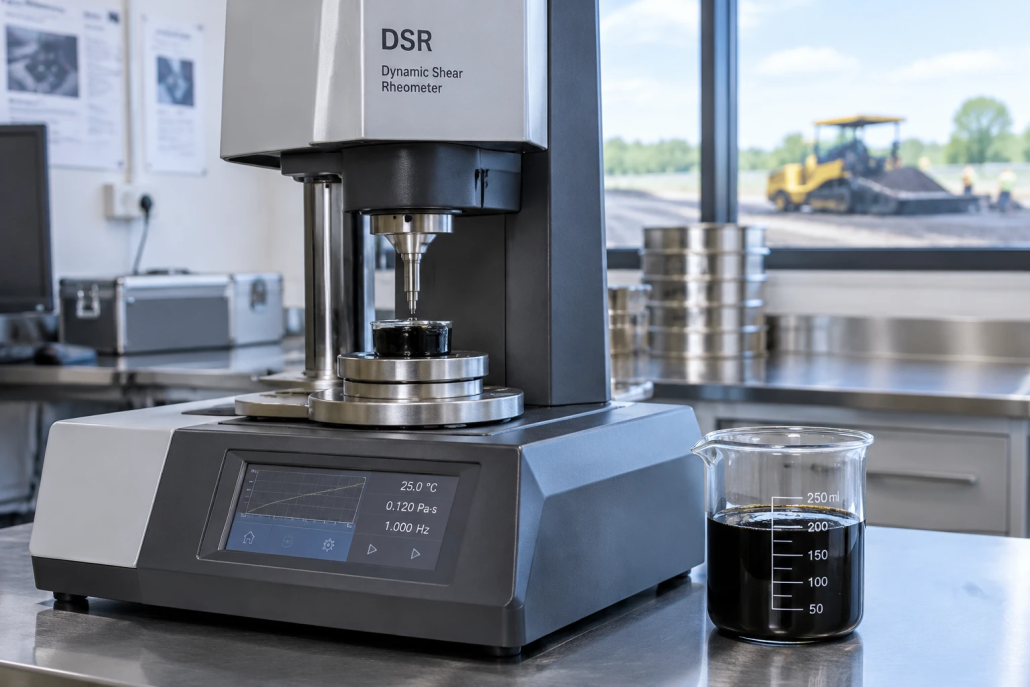
Navigate the complexities of modern asphalt engineering with our comprehensive guide to Performance Grade (PG) Bitumen. Discover Superpave standards, AASHTO M320 specifications, climatic grading, and B2B procurement strategies for superior pavement durability.
📌 Quick Executive Summary (Key Takeaways)
- What is PG Bitumen? Performance Graded (PG) binders are selected based on climate and traffic loads using the advanced Superpave system.
- Nomenclature: Designated as PG XX-YY, where XX represents the average 7-day maximum pavement temperature (°C) and YY indicates the minimum pavement design temperature (°C).
- Core Advantage: Superior resistance to high-temperature rutting, low-temperature thermal cracking, and fatigue failure compared to traditional grades.
- Procurement Focus: Essential for heavy-duty highways, airports, and extreme climate zones requiring strict AASHTO M320 compliance and refinery CoAs.
Introduction to Superpave and Performance Grade Bitumen
In modern civil engineering and highway construction, traditional empirical grading systems (such as penetration or viscosity grading) often fall short under extreme climatic conditions and heavy traffic volumes. To address this, the Strategic Highway Research Program (SHRP) developed the Superpave (Superior Performing Asphalt Pavements) system and the AASHTO M320 specification. Unlike older methods, Performance Grade (PG) bitumen evaluates binders based on their mechanical properties at specific service temperatures corresponding to actual field conditions.
For international contractors and procurement managers, understanding PG specifications is vital. Whether you are comparing binders or exploring our Bitumen Export Price Guide, selecting the correct PG grade ensures long-term infrastructure resilience and eliminates premature asphalt failure.
Decoding the PG Grading Nomenclature (PG XX-YY)
The PG system is engineered around a fundamental principle: the binder must withstand the highest pavement temperature (to prevent rutting) and the lowest pavement temperature (to prevent thermal cracking). For a detailed look at specific grades, many engineers review our analysis on PG 64-22 Bitumen.
- First Number (XX): Represents the average 7-day maximum pavement design temperature at a depth of 20 mm below the surface (e.g., 58°C, 64°C, 70°C, 76°C).
- Second Number (YY): Represents the minimum pavement design temperature experienced on the coldest day of the year (expressed as a negative number, e.g., -10°C, -22°C, -28°C, -40°C).
- Grade Jumps: Standard temperature increments are 6°C. Grade bumps (e.g., from PG 64-22 to PG 70-22) are implemented to account for slow traffic, standing loads, or high traffic volume (ESALs).
Superpave Binder Testing Protocols (AASHTO M320 / ASTM D6373)
PG bitumen is subjected to rigorous physical and rheological testing simulating three distinct stages of its lifecycle: original binder, short-term aging (during mixing and paving), and long-term in-service aging.
| Binder Stage | Test Equipment | Evaluated Parameter | Distress Mode Prevented |
|---|---|---|---|
| Original Binder | Rotational Viscometer (RV) & DSR | Pumping & mixing viscosity; Rutting resistance | Constructability issues & early permanent deformation |
| Short-Term Aged (RTFO Oven) | Dynamic Shear Rheometer (DSR) | Stiffness after simulated mixing | Rutting (Permanent deformation under traffic) |
| Long-Term Aged (PAV + RTFO) | Bending Beam Rheometer (BBR) & DSR | Creep stiffness ($S$) and slope ; Direct Tension | Low-temperature thermal cracking & fatigue cracking |
To verify these test parameters prior to export or project execution, refer to our comprehensive guide on Bitumen Quality Tests.
Advantages and Limitations of Performance Grade Bitumen
✅ Advantages
- Climatic Precision: Tailored precisely to regional temperature extremes rather than a generic regional grade.
- Enhanced Rutting & Fatigue Resistance: Dramatically reduces permanent deformation and thermal cracking under heavy vehicle loads.
- Polymer Synergy: Frequently enhanced with SBS or elastomeric polymers, closely aligning with Polymer Modified Bitumen (PMB) standards.
- Longer Pavement Life: Lowers lifecycle maintenance costs for municipal and highway authorities.
⚠️ Limitations & Challenges
- Strict Quality Control: Requires advanced laboratory equipment (DSR, BBR, RTFO) which may not be available in local site labs.
- Higher Initial Cost: Often involves polymer modification additives that increase production and procurement costs compared to standard Penetration Grade Bitumen or Viscosity Grade Bitumen (VG).
- Temperature Sensitivity: Demands rigorous temperature management during storage and transit to prevent phase separation.
Global B2B Procurement and Export Logistics for PG Bitumen
Procuring PG bitumen for international infrastructure projects requires meticulous attention to packaging, transport, and documentation. Depending on project scale and destination port, shipments are organized via bulk vessels, insulated tankers, or specialized containers as outlined in our Bitumen Packaging Guide.
Ready to Procure Certified PG Bitumen?
Get factory-direct pricing, verified SGS inspection reports, and custom CoA documentation tailored to your project requirements.
Frequently Asked Questions (FAQ)
What is the difference between Performance Grade (PG) and Penetration Grade bitumen?
A: Penetration grading measures binder consistency at a single standard temperature (25°C) using needle penetration. In contrast, Performance Grading (Superpave) evaluates rheological and mechanical properties across simulated field service temperatures (high, intermediate, and low) to directly combat rutting and thermal cracking.
How to determine the correct PG grade using temperature and traffic adjustments?
A: Engineers analyze local meteorological data spanning at least 20 years to determine 98% reliability high and low pavement temperatures. Traffic speed and cumulative ESALs (Equivalent Single Axle Loads) are then applied to determine whether grade bumping (increasing high-temperature grading by 6°C intervals) is necessary.
What does PG 64-22 mean in pavement design?
A: PG 64-22 indicates that the binder is engineered to perform reliably where the average 7-day maximum pavement design temperature reaches up to 64°C, and the minimum pavement design temperature drops down to -22°C.
Are PG bitumens modified with polymers (SBS/CRMB)?
A: Many high-temperature or extreme climate PG grades (such as PG 70-22 or PG 76-22) utilize polymer modification (such as Styrene-Butadiene-Styrene or crumb rubber) to achieve the required elastic recovery and stiffness thresholds mandated by Superpave specifications.
What are the standard packaging types for exporting PG bitumen?
A: PG bitumen is exported globally in new steel drums, flexible jumbo bags (Bitubag), ISO tanks, or bulon destination port logistics and handling facilities.







Leave a Reply
Want to join the discussion?Feel free to contribute!