
Propane Grade (HD‑5) LPG: Composition, Specifications, and Uses
Liquefied Petroleum Gas (LPG) is one of the most widely used fuels in the world, valued for its clean combustion, efficient energy output, and versatility across residential, commercial, and industrial sectors. If you are new to this fuel, you can explore a broader introduction in What is LPG and its uses.
Among the different LPG specifications used in global markets, Propane Grade (HD‑5) is considered one of the most important and widely traded standards. This article explains what HD‑5 propane is, its technical characteristics, its major applications, and how it compares with other LPG grades such as HD‑10 and Commercial Butane.
What Is Propane Grade (HD‑5) LPG?
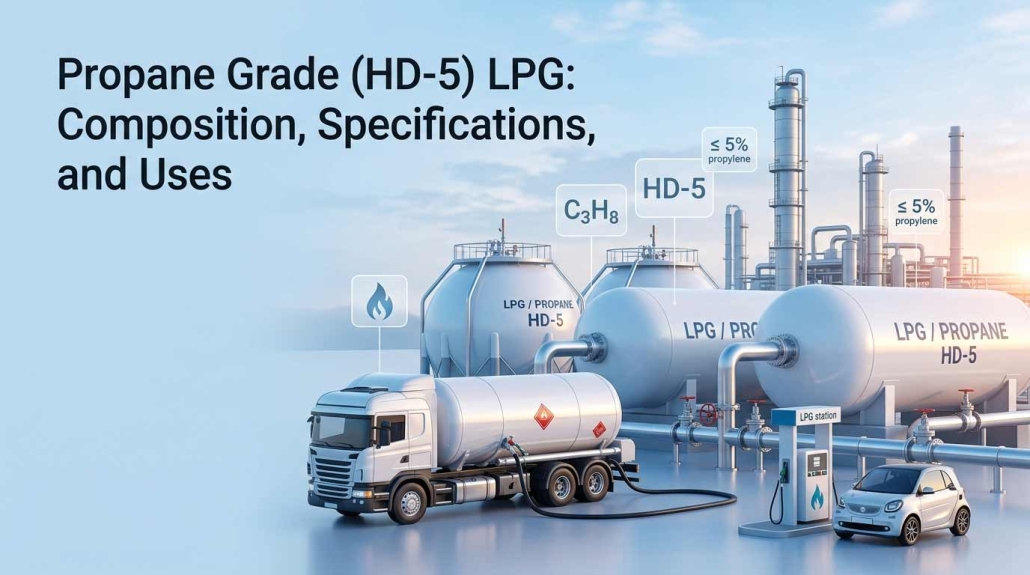
HD‑5 propane is a high‑purity propane specification widely used in North America and other international markets. It is defined by strict compositional limits that ensure consistent performance in fuel systems and industrial equipment.
The term HD‑5 mainly refers to the maximum allowed concentration of propylene, which cannot exceed 5% of the total composition.
Typical Composition of HD‑5 LPG
HD‑5 propane typically contains:
- Propane (C₃H₈): Minimum 90%
- Propylene (C₃H₆): Maximum 5%
- Butanes and heavier hydrocarbons: Small controlled amounts
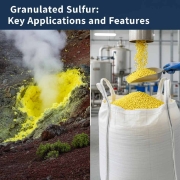
- Sulfur compounds: Very low concentrations for cleaner combustion
Strict impurity limits also apply to moisture and contaminants. These specifications are designed to prevent operational problems in engines, fuel systems, and storage equipment.
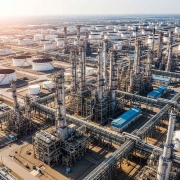
Because of its controlled composition and predictable performance, HD‑5 propane is commonly included among standard Petroleum Products used in energy, transportation, and petrochemical industries.
Technical Characteristics of HD‑5 Propane
HD‑5 propane offers several properties that make it highly suitable as a fuel and industrial feedstock.
Key characteristics include:
- High energy density: Efficient combustion and strong heat output
- Clean burning: Lower emissions compared with many liquid fuels such as Gasoline
- Stable vapor pressure: Reliable vaporization for engines and heating systems
- Low sulfur content: Reduced corrosion and environmental impact (see also Sulfur in fuel specifications)
These properties allow HD‑5 LPG to be safely stored, transported, and used in a wide variety of systems without significant performance variability.
Major Applications of HD‑5 LPG
Due to its purity and consistency, HD‑5 propane is widely used across several sectors.
1. Autogas (LPG Vehicle Fuel)
HD‑5 is commonly used in LPG-powered vehicles, also known as autogas systems. The strict propylene limit helps prevent damage to fuel injectors and engine components.
2. Residential and Commercial Heating
Propane heating systems rely on predictable fuel characteristics. HD‑5 propane provides reliable combustion in:
- Home heating systems
- Water heaters
- Cooking appliances
3. Industrial Fuel
Industries frequently use HD‑5 propane for:
- Metal cutting and welding
- Industrial heating processes
- Agricultural crop drying
4. Petrochemical Feedstock
In some facilities, propane can serve as a feedstock for producing propylene and other petrochemicals.
For deeper insights on LPG topics, readers can explore additional resources in LPG Articles.
HD‑5 vs. HD‑10 Propane: Key Differences
Both HD‑5 and HD‑10 are propane grades, but the primary difference lies in propylene content.
Propylene Content
- HD‑5: Maximum 5% propylene
- HD‑10: Maximum 10% propylene
Higher propylene levels can influence fuel behavior and equipment compatibility.
Equipment Compatibility
HD‑5 is preferred in vehicle fuel systems and sensitive equipment, while HD‑10 may be acceptable for less demanding heating or industrial uses.
Market Usage
Many automotive LPG standards require HD‑5 because the lower propylene level helps maintain fuel system reliability.
The Three Main Grades of LPG
Although LPG composition varies worldwide, three commonly recognized grades are used in commercial markets.
1. HD‑5 Propane
- High-purity propane
- Strict propylene limit
- Widely used in transportation fuel and residential energy
2. HD‑10 Propane
- Similar to HD‑5 but allows higher propylene
- Used in some industrial and heating applications
3. Commercial Butane
- Primarily n‑butane and isobutane
- Often used in:
- Portable fuel canisters
- Aerosol propellants
- Lighter fuel
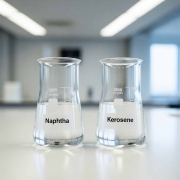
These LPG grades complement other energy products such as Kerosene and gasoline within broader fuel supply systems.
Global LPG Production and Market Context
LPG is produced mainly during natural gas processing and crude oil refining. Major producers include the United States, Saudi Arabia, Qatar, China, and Russia.
You can learn more about the global supply landscape in Top 10 LPG Producing Countries.
Because LPG and LNG are sometimes confused, it is also useful to understand the Difference between LPG and LNG, particularly in terms of chemical composition, storage conditions, and applications.
FAQ About HD‑5 Propane
Is HD‑5 propane the same as regular propane?
In many markets, yes. Most propane sold for residential and automotive use meets HD‑5 specifications, ensuring safe and consistent fuel quality.
Why is propylene limited in HD‑5?
Higher propylene concentrations can affect combustion behavior and may cause deposits in engines and fuel systems. Limiting it to 5% improves reliability.
Is HD‑5 propane used worldwide?
While specifications vary by region, HD‑5 is widely recognized as a high‑quality propane standard, especially in North American LPG markets.
Final Thoughts
Propane Grade HD‑5 LPG plays a critical role in modern energy systems thanks to its consistent composition, clean combustion, and broad industrial usability. From residential heating to transportation fuel and industrial processes, this grade of LPG delivers reliable performance across multiple sectors.
Global Petroleum Trade Solutions | Universal Trades
As a reputable international petroleum trading enterprise, Universal Trades specializes in the reliable procurement, export, and supply chain management of high-grade petroleum commodities, refined fuels, and industrial feedstocks designed to meet rigorous global standards.




Leave a Reply
Want to join the discussion?Feel free to contribute!