
What Is Avgas (aviation gasoline)? Uses, Octane, and Differences from Jet Fuel
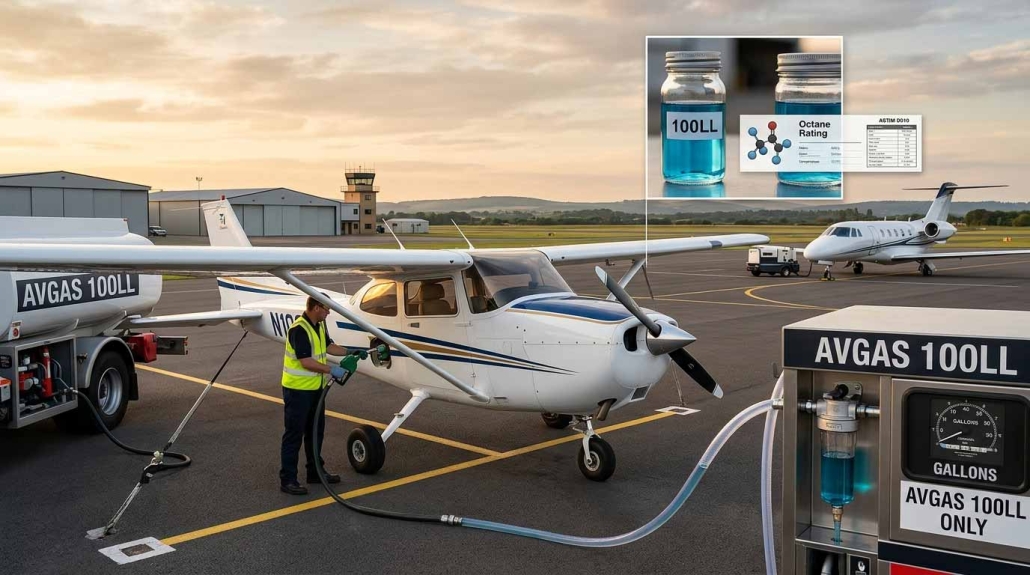
Avgas, short for aviation gasoline, is a specialized fuel used mainly in piston-engine aircraft. Unlike turbine aircraft, which typically run on kerosene-based fuels such as Jet A or Jet A-1, aircraft that use Avgas need a gasoline-type fuel with controlled volatility, high knock resistance, and reliable performance across a wide range of operating conditions.
For readers exploring more articles about petroleum products, Avgas is one of the most technically specific gasoline products because it must meet strict aviation performance and safety requirements.
Other Names of Avgas
Avgas is also called aviation gasoline and, in British English, aviation spirit.
Main Properties and Characteristics of Avgas
Avgas is not simply “gasoline for planes.” It is formulated for aviation use and differs from road fuel in several important ways:
- High octane performance to reduce engine knocking in aircraft piston engines
- Carefully controlled volatility to support reliable combustion at altitude
- Stable performance under changing temperature and pressure conditions
- Tight quality specifications because fuel consistency is critical in aviation
- Distinct fuel grading and coloring systems in some markets for identification purposes
In practical terms, Avgas must ignite and burn predictably while helping protect aircraft engines during demanding operating conditions such as climb, cruise, and altitude changes. If you are comparing fuel appearance and grading systems, related topics like the meaning of gasoline color and introduction to gasoline types can provide useful context.

Main Uses of Aviation Gasoline
The main use of Avgas is in spark-ignition piston aircraft engines. These are commonly found in:
- Flight training aircraft
- Private propeller-driven airplanes
- Some light utility aircraft
- Certain legacy or specialized aviation platforms
Avgas is generally not used in turbine aircraft. Jets, turboprops, and many helicopters typically use kerosene-based aviation fuels instead. This is one of the most important distinctions when comparing aviation fuels.
Readers interested in broader fuel categories may also want to review gasoline articles for related fuel types and applications.
Avgas Octane Rating and Why It Matters
Avgas is known for its high octane rating, which is essential for preventing detonation or engine knock in aircraft piston engines. The most widely recognized grade has historically been Avgas 100LL, where “100” refers to a high-performance aviation octane classification and “LL” means low lead, not no lead.
This point matters because aviation octane ratings are not always directly comparable to standard automotive pump octane labels. In aircraft engines designed for Avgas, knock resistance is critical for safe operation, especially under high load. For a wider technical background, readers can also explore the topic of octane rating.
What Avgas Is Made Of
Avgas is a refined petroleum fuel made primarily from hydrocarbon components blended to meet aviation requirements. Its composition can vary by grade and specification, but in general it contains:
- Light hydrocarbon fractions suitable for spark-ignition engines
- Carefully selected blending components for stable combustion
- Performance-enhancing additives
- In some traditional grades, tetraethyl lead to boost octane performance
- Dyes in certain grades for product identification
Because composition may vary by product specification, users who need technical data should refer to the TDS of aviation gasoline. Those interested in how gasoline products are generally made may also find the gasoline production process useful.
Can Avgas Be Used in Cars?
In most cases, Avgas should not be considered a normal substitute for automotive gasoline.
While both are gasoline-type fuels, they are designed for different engines, regulations, emissions systems, and operating conditions. Some Avgas grades have historically contained lead, which can damage catalytic converters and create compatibility issues in modern road vehicles. In addition, automotive engines are not designed around aviation fuel specifications.
So, although an engine may physically run on a gasoline-like fuel under certain circumstances, that does not mean the fuel is suitable, legal, or safe for routine automotive use. If you are comparing road fuels, topics such as unleaded gasoline, premium gasoline, E85 gasoline, and gasoline additives offer a more relevant reference point.
Avgas vs Other Aviation Fuels
| Fuel Type | Main Use | Engine Type | Base Fuel Type | Key Difference from Avgas |
|---|---|---|---|---|
| Avgas | Light aircraft, training aircraft | Piston engines | Gasoline-type aviation fuel | High octane fuel for spark-ignition aircraft engines |
| Jet A | Commercial and turbine aircraft | Turbine engines | Kerosene-based | Not designed for piston aircraft that require Avgas |
| Jet A-1 | International turbine aviation use | Turbine engines | Kerosene-based | Similar to Jet A, but with broader international use and cold-weather suitability |
| Jet B | Some cold-weather aviation applications | Turbine engines | Wide-cut aviation fuel | More volatile than Jet A/Jet A-1 and different from gasoline-type Avgas |
The key takeaway is simple: Avgas and jet fuel are not interchangeable. Avgas is intended mainly for piston aircraft, while Jet A and Jet A-1 are designed for turbine aircraft.
Avgas vs Automotive Gasoline
| Feature | Avgas | Automotive Gasoline |
|---|---|---|
| Primary use | Piston-engine aircraft | Cars, motorcycles, light road vehicles |
| Engine environment | Aviation operating conditions, including altitude changes | Road use under ground-level operating conditions |
| Octane purpose | High knock resistance for aircraft piston engines | Knock control for automotive spark-ignition engines |
| Lead content | Some grades historically contain tetraethyl lead | Modern road gasoline is generally unleaded in most markets |
| Compatibility with cars | Generally not recommended for normal road use | Specifically formulated for road vehicles |
| Regulatory framework | Aviation specifications | Automotive fuel regulations |
| Fuel system considerations | Built for aircraft engine requirements | Built for emissions systems and road engine design |
Even where both fuels look similar in broad chemical terms, they are engineered for different purposes. This is why using aviation gasoline in a car is not the same as using a premium automotive fuel.
Lead Content, Unleaded Alternatives, and Practical Notes
One important point in any discussion of aviation gasoline is lead. Some long-used Avgas grades rely on tetraethyl lead for octane performance. However, the industry has also been moving toward unleaded alternatives for some engines and applications, depending on certification and regional availability.
This issue matters for environmental, maintenance, and compatibility reasons. It also helps explain why Avgas is a distinct fuel category rather than just another version of road gasoline or winter fuel.
Conclusion
Avgas is a specialized aviation gasoline made primarily for piston-engine aircraft. Its main value lies in its high knock resistance, controlled performance, and suitability for aviation operating conditions. It differs clearly from jet fuel, which is kerosene-based and used in turbine aircraft, and it also differs from automotive gasoline in formulation, regulation, and intended engine compatibility.
For most users, the most important takeaway is this: Avgas is not simply premium gasoline for airplanes, and it is not a standard fuel for cars. Understanding those differences helps buyers, operators, and general readers make better fuel decisions. For broader market context, you may also want to explore top 10 gasoline-producing countries or follow gasoline price forecast in global markets.
Global Petroleum Trade Solutions | Universal Trades
As a reputable international petroleum trading enterprise, Universal Trades specializes in the reliable procurement, export, and supply chain management of high-grade petroleum commodities, refined fuels, and industrial feedstocks designed to meet rigorous global standards.








Leave a Reply
Want to join the discussion?Feel free to contribute!