
how to store kerosene safely for lantern use?
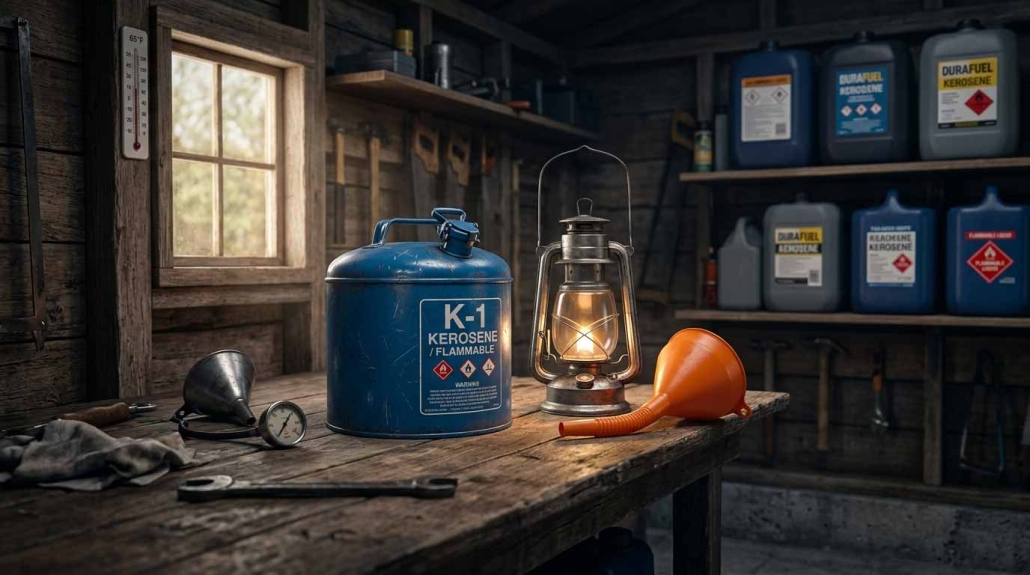
If you rely on a wick lantern or hurricane lantern for emergencies, camping, or off‑grid lighting, fuel storage is not just “housekeeping”—it directly affects safety, odor, soot, and reliability. This guide explains how to store kerosene safely for lantern use with practical steps you can follow: selecting the right grade, choosing approved containers, controlling heat and ventilation, and preventing water intrusion and dirt. Kerosene is generally less volatile than gasoline, but it is still flammable and must be stored away from ignition sources and handled per local fire codes and the lantern manufacturer’s instructions. For an overview of kerosene grades and common applications, see Introduction to Kerosene and Applications of Its Various Grades.
Quick Answer / Key Takeaways
- Use K‑1 kerosene whenever possible for lanterns (cleaner burn, less odor/soot).
- Store only in approved metal safety cans or fuel-rated HDPE (#2) containers (explicitly rated for fuels).
- Keep containers tightly sealed, labeled, and stored cool, shaded, and ventilated—away from living spaces when required by code.
- Prevent contamination: avoid water, dust, rust, and dirty funnels; don’t “top off” with unknown old fuel.
- Typical shelf life is often ~1–5 years depending on storage conditions; rotate stock and inspect before use.
- Refuel only when the lantern is cool; keep fuel away from flames/pilot lights and wipe spills immediately.
For more information about the principles of kerosene storage, read the article “Kerosene Storage Guide.”
How to store kerosene safely for lantern use (detailed steps)
- Buy the right grade for lanterns (start with K‑1 when available).
- Use an approved container: metal safety can or fuel-rated HDPE #2 (not a beverage bottle).
- Label the container: “KEROSENE (K‑1/K‑2),” purchase date, and “FLAMMABLE.”
- Store in a safe location: cool, dry, shaded, and well‑ventilated—away from heaters, sparks, and open flames.
- Control heat and sunlight: avoid direct sun and hot vehicles; reduce temperature swings.
- Minimize water and dirt entry: keep caps closed; use a clean funnel/filter; avoid pouring in rain or dusty wind.
- Keep a “working” container for frequent refills and a “reserve” container sealed for longer storage.
- Inspect before every fill (clarity, water at bottom, sediment).
- Rotate inventory: use older kerosene first; don’t let emergency fuel sit unchecked for years.
- Handle transfers safely: no smoking; wipe spills; let vapors dissipate before lighting.
For broader storage fundamentals (beyond lantern scale), reference Kerosene Storage Guidelines: How to Store Kerosene Safely.
Choose the Right Grade for Lanterns (K1 vs K2)
For most lanterns, K‑1 is the default recommendation because it typically contains fewer impurities (including lower sulfur) and burns cleaner—important for wick performance and reduced chimney/globe soot.
- Learn more about K‑1 here: What is K1 Kerosene? A Comprehensive Guide to Usage and Safety
- Learn more about K‑2 here: What is K2 Kerosene? Uses, Specifications, and Differences from K1
Tradeoffs that matter in lanterns
- K‑1: usually cleaner combustion → less odor, less soot, less wick fouling.
- K‑2: may be acceptable in some outdoor-only uses but can produce more odor/soot and may require more frequent cleaning.
Best Containers (what to use/avoid)
Use
- Approved metal safety cans (durable, low permeability, good for long storage)
- Fuel-rated HDPE (#2) containers designed for kerosene
Avoid
- Water/soda bottles, thin “utility” jugs, unmarked plastics
- Containers that previously held chemicals/solvents (cross‑contamination)
- Leaky caps or missing gaskets
A clean container matters because lanterns are sensitive: tiny amounts of rust fines, dust, or water can cause hard starting, odor, and yellow flame/soot.
Storage Location & Ventilation (home, garage, shed, campsite)
- Store kerosene in a cool, shaded, ventilated place, away from ignition sources (pilot lights, heaters, tools that spark).
- When required by local code, store away from living spaces (e.g., shed/detached garage).
- Keep containers upright and protected from tipping.
If you need a quick comparison with more volatile fuels, see Gasoline vs. Kerosene: Key Differences and Uses (optional context).

Temperature, Sunlight, Condensation Control
- Heat + sunlight accelerate fuel degradation and increase container pressure.
- Temperature swings increase “breathing,” pulling humid air in and raising condensation risk.
- Store out of sun; avoid hot vehicles; keep caps sealed. For longer storage, minimizing repeated opening helps more than any “hack.”
Preventing Contamination (water/rust/dust/microbes)
Contamination is the #1 preventable cause of lantern performance problems.
- Water intrusion: rain during pouring, poor caps, condensation
- Dust/debris: dirty spouts, open containers, windy transfers
- Rust: old metal cans or corroded funnels
- Microbial growth: more likely if water accumulates during long storage (sludge at the fuel-water interface)
Controls:
- Use a dedicated clean funnel (ideally with a fine screen).
- Keep a sealed reserve container; decant into a smaller working container.
- Inspect container bottoms for haze, droplets, or sediment.
Shelf Life & Rotation
Kerosene often remains usable for ~1 to 5 years in good conditions, but results vary with temperature, container quality, headspace, and contamination. Avoid guarantees; instead, manage risk with inspection and rotation.
- Label purchase date and rotate “first in, first out.”
- If it’s emergency fuel, schedule periodic checks (e.g., every 6–12 months).
More detail: Kerosene Shelf Life: How Long Can Kerosene Be Stored?.
Pre-Use Inspection Checklist (before filling a lantern)
- Confirm label: kerosene, correct grade (prefer K‑1).
- Check appearance: fuel should be clear, not cloudy/hazy.
- Look for water at the bottom (droplets or a separate layer).
- Check for sediment (dark particles, rust fines).
- Smell cautiously: strong “off” odor can indicate contamination.
- Inspect cap/gasket: must seal tightly.
- Use a clean funnel/filter; do not pour if spout is dirty.
- If unsure, don’t use it in the lantern—segregate and replace with known clean fuel.
Safe Refueling & Handling During Lantern Use
- Refuel only when cool. Hot parts can ignite vapors.
- Keep fuel away from flames/pilot lights, grills, stoves, cigarettes, and sparks.
- Refuel outdoors or with strong ventilation.
- Wipe spills immediately; wait before lighting if any odor remains.
- Don’t overfill the tank/font; follow manufacturer guidance.
Static/grounding is typically a bigger issue for bulk metal containers and transfer setups; for small lantern containers, focus on spill control, ventilation, and keeping ignition sources away.
Storage for Travel & Small-Quantity Transport
Use small, approved containers; keep them upright and secured; separate from food and from gasoline to prevent mix-ups. Follow local quantity limits and transport rules.
More guidance: Kerosene Transportation Guide: Safe Shipping Methods and Storage.
Do vs Don’t Table (Lantern Kerosene Storage)
| Do | Don’t |
|---|---|
| Use K‑1 for most lanterns | Assume K‑2 will burn equally clean |
| Store in approved metal or fuel-rated HDPE #2 | Store in drink bottles or unknown plastics |
| Keep containers sealed & labeled | Keep unlabeled fuel around (mix‑up risk) |
| Store cool, shaded, ventilated | Store near pilot lights/heaters or in sun |
| Use clean funnels/filters | Pour with dirty spouts/funnels (adds rust/dust) |
| Inspect for water/sediment | Ignore cloudiness or debris |
| Rotate stock | Let “emergency fuel” sit for years unchecked |
| Refuel only when cool | Refuel a hot lantern or light right after a spill |
Common Mistakes (8+)
- Using unknown fuel or mixing grades/batches randomly.
- Storing kerosene in unapproved plastic or leaky containers.
- Keeping fuel near ignition sources (pilot lights, heaters, electrical tools).
- Storing in direct sunlight or hot vehicles.
- Repeatedly opening the main reserve container (introduces humidity/dirt).
- Pouring without a clean funnel/filter (adds dust/rust).
- Refueling while the lantern is warm/hot.
- Not labeling date/grade (poor rotation and safety risk).
- Ignoring early signs: odor increase, soot, yellow flame.
Troubleshooting (fuel-related symptoms)
Many lantern issues come from contamination or wrong grade. For broader fixes, see Common Kerosene Problems and How to Fix Them.
- Yellow flame / soot: often impurities, wrong grade (K‑2), dirty wick/burner, or contamination. Try clean K‑1 and clean components.
- Hard starting: check for water contamination; verify wick condition; use fresh clean fuel.
- Odor: often lower-quality fuel, poor ventilation, or spills on the lantern body; clean and ventilate.
- Clogging / poor flow: sediment, rust fines, or microbial sludge (when water is present); stop using that fuel and improve filtration/storage hygiene.
FAQ
- Is K‑1 kerosene best for lanterns? Usually yes—cleaner burn and less soot.
- Can I store kerosene in HDPE plastic? Yes, if it’s HDPE #2 and fuel-rated.
- How long can kerosene be stored? Often ~1–5 years depending on conditions; rotate and inspect.
- What does cloudy kerosene mean? Commonly water contamination or degradation—don’t use until resolved.
- Should I store kerosene indoors? Often restricted; follow local fire code and store away from living spaces when required.
- Can I use diesel in a kerosene lantern? Generally not recommended; it can smoke and foul wicks.
- What container size is best? A sealed reserve plus a smaller working container reduces contamination risk.
- Do I need grounding for lantern fueling? Usually a bulk-transfer concern; focus on spill control and ignition separation.
- Why does my wick foul quickly? Often fuel impurities/contamination; switch to cleaner K‑1 and keep fuel clean.
- What should buyers request from suppliers? A TDS/specs and, when available, a batch COA.
Conclusion
To how to store kerosene safely for lantern use successfully, keep it simple and disciplined: choose K‑1 when possible, store in approved metal or fuel-rated HDPE #2 containers, keep fuel cool/shaded/ventilated, prevent water intrusion and dirt, rotate stock, and refuel only when the lantern is cool and away from flames or pilot lights.
For procurement teams and distributors, we can support grade selection, packaging options (small packs to bulk), and export/logistics handling. Request specifications via Kerosene TDS (Technical Data Sheet): Key Grades, Specs and explore our portfolio at Petroleum Products.
Global Petroleum Trade Solutions | Universal Trades
As a reputable international petroleum trading enterprise, Universal Trades specializes in the reliable procurement, export, and supply chain management of high-grade petroleum commodities, refined fuels, and industrial feedstocks designed to meet rigorous global standards.




The point about contamination is especially important because even a small amount of water can affect how cleanly a lantern burns. One practice that has worked well for long-term storage is labeling containers with the purchase date so fuel can be rotated before it degrades. Combined with using K-1 kerosene and approved containers, that can help avoid a lot of performance issues later.
Thank you for sharing your experience! You hit the nail on the head regarding contamination; it’s often the ‘silent killer’ of lantern performance. Even minor moisture can lead to the soot and odor issues many people struggle with.
Your practice of labeling containers with the purchase date is an excellent example of ‘first-in, first-out’ (FIFO) rotation—it is the gold standard for long-term fuel management. These simple, disciplined habits truly make the biggest difference in reliability. Thanks for contributing such practical and valuable tips to our community!