
Kerosene Shelf Life: How Long Can Kerosene Be Stored?
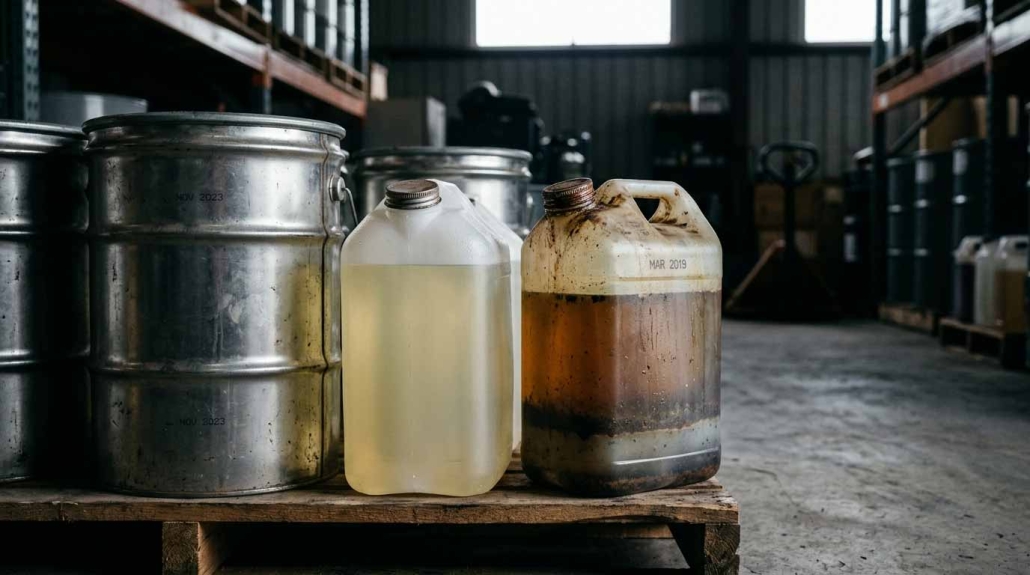
Kerosene shelf life typically ranges from 2 to 5 years when stored in sealed, clean containers under stable conditions. Over time, exposure to air, moisture, and contaminants can degrade the fuel, causing oxidation, water accumulation, and sludge formation. These changes reduce combustion quality and may damage heaters, lamps, or industrial equipment.
Kerosene is known for its stability compared with lighter fuels like gasoline, but it does not remain chemically unchanged forever. Whether used in heating systems, industrial processes, or aviation-related applications, stored kerosene gradually deteriorates due to environmental exposure and contamination.
In practical terms, well‑stored kerosene usually remains usable for two to five years, although storage conditions and fuel purity significantly influence its lifespan. Understanding how kerosene ages—and how to recognize degraded fuel—helps prevent performance problems and equipment damage.
How Long Does Kerosene Last?
Fresh, properly refined kerosene—whether K1 kerosene or K2 kerosene—is relatively stable compared with more volatile petroleum products.
Typical storage expectations are:
| Storage Condition | Estimated Shelf Life |
|---|---|
| Sealed metal container, cool environment | 4–5 years |
| Sealed plastic container, moderate temperature | 2–3 years |
| Partially filled or poorly sealed container | 1–2 years |
| Exposed to air or moisture | Rapid degradation |
The difference largely depends on oxygen exposure, contamination, and temperature fluctuations.
Kerosene’s chemical stability comes from its hydrocarbon composition, which sits between lighter fuels like gasoline and heavier fuels like diesel. If you want to understand where kerosene sits in the refining chain, see the Kerosene Production Process, which explains how this middle‑distillate fuel is produced from crude oil.
What Causes Kerosene to Degrade Over Time?
Even though kerosene is relatively stable, several mechanisms gradually affect fuel quality.
1. Oxidation
When kerosene comes into contact with oxygen inside partially filled containers, slow oxidation reactions occur. These reactions produce:
- gum-like residues
- darker fuel color
- reduced combustion efficiency
Oxidation is one reason long‑stored fuel may burn poorly.
2. Moisture and Condensation
Temperature fluctuations inside storage tanks can cause condensation, allowing water to accumulate in the container.
Water contamination leads to:
- unstable combustion
- corrosion in fuel systems
- microbial growth
Water contamination is also one of the most common kerosene problems reported in heating and industrial systems.
3. Microbial Contamination
Bacteria and fungi can grow at the water–fuel interface inside storage tanks. Over time, these microorganisms produce:
- sludge
- acidic by‑products
- clogged fuel filters
Although this issue is more common in diesel fuel systems, kerosene can also experience microbial contamination during prolonged storage.
4. Exposure to Heat and Sunlight
High temperatures accelerate oxidation and chemical reactions inside the fuel. Containers stored outdoors or near heat sources may experience faster fuel degradation.
This is especially important in industrial storage where industrial kerosene is held for extended periods before distribution.

Signs That Kerosene Has Gone Bad
Before using stored kerosene, it is important to check for signs that the fuel may have degraded.
Key indicators include:
Color change
Fresh kerosene is typically clear or pale yellow. Darkening suggests oxidation or contamination.
Unusual odor
A sharp or sour smell may indicate chemical breakdown.
Sediment or sludge
Particles at the bottom of the container suggest oxidation products or microbial growth.
Water separation
Visible droplets or cloudy layers may indicate condensation contamination.
Poor combustion
Old kerosene may cause excessive smoke, weak flames, or incomplete burning.
If combustion problems occur, it is worth reviewing Kerosene TDS specifications to verify the correct fuel properties.
Is Using Old Kerosene Dangerous?
Using degraded kerosene can lead to several operational issues:
- clogged fuel lines and filters
- unstable flames in heaters or lamps
- increased smoke or soot formation
- lower heating efficiency
In industrial equipment, poor fuel quality may eventually cause burner damage or combustion instability.
These risks become more noticeable when comparing fuels such as gasoline vs. kerosene, since kerosene systems rely heavily on stable fuel properties for controlled combustion.
Brief Storage Best Practices
Proper storage significantly extends kerosene shelf life.
Key practices include:
- store fuel in airtight containers
- keep containers in a cool, stable environment
- minimize air space in partially used containers
- avoid exposure to sunlight or extreme heat
A complete guide to safe storage conditions is covered in the article Kerosene Storage Guidelines, where container types, safety considerations, and contamination prevention are explained in detail.
Why Fuel Quality Matters in Global Supply
Kerosene remains an important petroleum product in heating, industrial manufacturing, and aviation fuel supply chains. Demand and quality standards are shaped by global refining capacity and supply networks.
Market dynamics such as Kerosene Price Forecasts and production distribution among the Top 10 Kerosene Producing Countries also influence fuel availability and storage practices across industries.
For broader technical comparisons and fuel insights, readers may also explore related resources in Kerosene Articles.
Conclusion
Kerosene is relatively stable compared with many petroleum fuels, but it does not last indefinitely. Under proper storage conditions, kerosene can remain usable for two to five years, while exposure to oxygen, water, and contaminants gradually reduces fuel quality.
Before using stored kerosene, always inspect the fuel for color changes, odor, sediment, or water contamination. Proper storage and periodic inspection help ensure safe combustion performance and prevent equipment problems.
FAQ
How long does kerosene last in storage?
Kerosene generally lasts 2–5 years when stored in sealed containers in cool, stable conditions. Poor storage conditions may shorten its usable life significantly.
Can expired kerosene still be used?
Old kerosene may still burn, but degraded fuel can produce smoke, unstable flames, and equipment issues. It should be inspected carefully before use.
How can you tell if kerosene has gone bad?
Signs include darker color, unusual odor, visible sediment, water separation, or poor combustion performance.
Does kerosene degrade faster than diesel?
Both fuels are relatively stable, but diesel typically contains additives that may influence storage behavior. In practice, contamination and oxidation affect both fuels similarly.
Global Petroleum Trade Solutions | Universal Trades
As a reputable international petroleum trading enterprise, Universal Trades specializes in the reliable procurement, export, and supply chain management of high-grade petroleum commodities, refined fuels, and industrial feedstocks designed to meet rigorous global standards.






Leave a Reply
Want to join the discussion?Feel free to contribute!