
Signs and Issues of Bad Gasoline: How to Identify Poor Fuel Quality
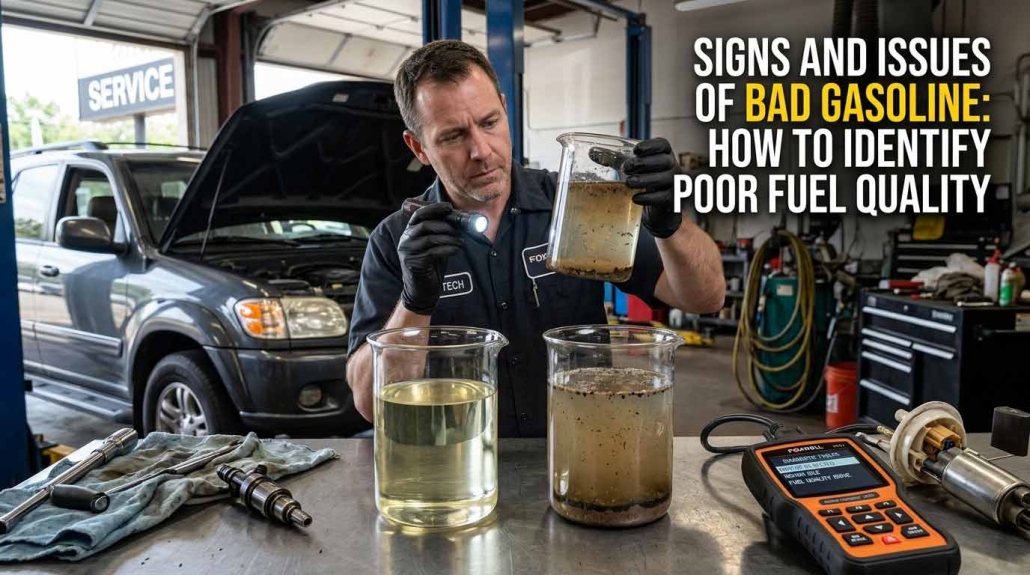
Gasoline quality has a direct impact on engine performance, fuel efficiency, emissions, and long‑term vehicle reliability. While modern refining processes produce highly controlled fuels through the gasoline production process, gasoline can degrade or become contaminated during storage, transport, or at the fuel station.
Using bad gasoline can cause problems ranging from rough engine operation to severe damage to fuel injectors, pumps, and combustion chambers. For drivers, fleet managers, and fuel buyers, knowing how to recognize poor‑quality gasoline is essential to avoid costly repairs and performance issues.
This guide explains the most common signs of bad gasoline, what causes fuel to degrade, how it affects engines, and practical ways to detect and prevent fuel quality problems.
What Is Considered Bad Gasoline?
Bad gasoline generally refers to fuel that has degraded chemically or become contaminated. Gasoline is a complex mixture of hydrocarbons that can change over time when exposed to oxygen, heat, moisture, or impurities.
Common issues that turn gasoline into poor‑quality fuel include:
- Oxidation during long storage
- Water contamination
- Sediment or particulate contamination
- Excess sulfur or impurities
- Loss of volatility due to evaporation
Fuel quality can also vary depending on refining standards and crude sources, which is why the global fuel market is strongly influenced by the refining capabilities of the Top Gasoline Producing Countries.
Key Signs of Bad Gasoline
Recognizing bad gasoline early can prevent serious engine damage. Below are the most common warning signs.
1. Engine Knocking or Pinging
Low‑quality or degraded gasoline can cause abnormal combustion in the engine cylinder.
Symptoms include:
- Metallic knocking sound during acceleration
- Reduced engine power
- Increased fuel consumption
This often occurs when the octane stability of the fuel has deteriorated, preventing proper combustion timing.
2. Difficulty Starting the Engine
Bad gasoline may lose volatility, meaning it does not vaporize properly.
Signs include:
- Hard starting
- Multiple attempts required to start
- Engine stalls shortly after starting
This is especially common when gasoline has been stored for more than several months.
3. Rough Idling and Engine Misfires
Contaminated fuel may disrupt proper fuel‑air mixing, causing:
- Rough or unstable idle
- Random engine misfires
- Reduced throttle response
Fuel contamination can sometimes involve trace sulfur compounds, which can interfere with emissions systems and catalysts. Learn more about the role of sulfur in petroleum fuels.
4. Reduced Fuel Efficiency
Poor gasoline quality can decrease combustion efficiency.
Drivers may notice:
- Reduced mileage
- Increased fuel consumption
- Sluggish vehicle performance
Sometimes fuel additives are used to restore performance. More information can be found in Gasoline Additives.
5. Unusual Fuel Smell or Color
Fresh gasoline usually has a light, clear to slightly yellow appearance. When gasoline degrades, its color and odor may change.
If gasoline appears:
- Dark orange or brown
- Cloudy or murky
- With visible particles
It may be degraded or contaminated. Fuel color variations are explained further in Color of Gasoline.
Comparison: High‑Quality Gasoline vs Poor‑Quality Gasoline
| Feature | High‑Quality Gasoline | Poor‑Quality Gasoline |
|---|---|---|
| Color | Clear to pale yellow | Dark, cloudy, or brown |
| Smell | Fresh petroleum smell | Sour or stale odor |
| Engine performance | Smooth acceleration | Knocking or hesitation |
| Fuel efficiency | Optimal mileage | Increased fuel consumption |
| Combustion | Clean and stable | Incomplete or irregular combustion |
| Engine deposits | Minimal deposits | Higher carbon buildup |
| Safety | Stable volatility | Higher risk of instability |
| Storage stability | Longer shelf life | Rapid degradation |
Common Causes of Bad Gasoline
1. Long‑Term Storage
Gasoline typically begins to degrade after 3–6 months when exposed to air.
Chemical oxidation creates gums and varnishes that clog fuel systems.
2. Water Contamination
Water can enter fuel through:
- Condensation in storage tanks
- Poor handling during transportation
- Leaking storage containers
Water contamination leads to engine misfires and corrosion.
3. Evaporation of Light Components
Gasoline contains volatile compounds that evaporate over time. When these compounds are lost:
- Fuel becomes harder to ignite
- Engine starting becomes difficult
4. Poor Storage Infrastructure
Improper storage tanks can introduce:
- Rust particles
- Dirt
- Microbial growth
Fuel storage practices are crucial across the petroleum supply chain, including the handling of fuels such as kerosene articles and other refined products.
How to Test Gasoline Quality
Several simple methods can help detect bad gasoline.
Visual Inspection
Check for:
- Cloudiness
- Sediment
- Dark coloration
Smell Test
Fresh gasoline smells sharp and solvent‑like. Degraded gasoline may smell sour or varnish‑like.
Water Separation Test
Pour a small sample into a transparent container:
- Water will separate and settle at the bottom.
Laboratory Testing
Professional fuel analysis may measure:
- Octane rating
- Sulfur content
- Vapor pressure
- Density
Laboratory methods are often used in the petroleum industry to ensure fuel meets refining specifications defined during the gasoline production process.
Effects of Bad Gasoline on Engine Components
Using degraded gasoline can damage several engine systems:
Fuel Injectors
Deposits from degraded fuel can clog injector nozzles.
Fuel Pump
Contaminants may accelerate pump wear.
Combustion Chamber
Poor combustion leads to carbon buildup.
Catalytic Converter
Impurities such as excessive sulfur articles compounds may reduce catalytic efficiency.
Understanding fuel properties is also important when comparing fuels like gasoline and diesel, which operate with completely different combustion characteristics explained in Diesel Articles and parameters such as the Cetane Number.
Preventing Gasoline Degradation
Follow these best practices to maintain fuel quality:
- Store gasoline in airtight containers
- Avoid long storage periods
- Keep containers in cool, shaded environments
- Use fuel stabilizers when storing fuel for extended periods
- Purchase fuel from reliable stations
For specialized applications, fuels like white gasoline may be used due to their purity and stability.
Frequently Asked Questions (FAQ)
How long does gasoline last before it goes bad?
Most gasoline remains stable for 3 to 6 months under normal storage conditions. After that, oxidation and evaporation begin to degrade fuel quality.
Can bad gasoline damage an engine?
Yes. Prolonged use of degraded gasoline can cause fuel system deposits, misfires, poor combustion, and potential engine damage.
What color indicates bad gasoline?
Gasoline that appears dark orange, brown, or cloudy may be degraded or contaminated.
Can fuel additives fix bad gasoline?
In some cases, fuel stabilizers or cleaning additives can restore performance, but severely contaminated fuel should be replaced.
Final Thoughts
Fuel quality plays a crucial role in engine reliability, fuel efficiency, and environmental performance. Recognizing the signs of bad gasoline—such as unusual color, engine knocking, starting difficulties, and poor fuel economy—can help drivers and fuel buyers prevent mechanical problems and unnecessary costs.
As the global petroleum industry continues to refine fuels through advanced processes and strict specifications, understanding how gasoline behaves in storage and use remains essential for both consumers and professionals.
Global Petroleum Trade Solutions | Universal Trades
As a reputable international petroleum trading enterprise, Universal Trades specializes in the reliable procurement, export, and supply chain management of high-grade petroleum commodities, refined fuels, and industrial feedstocks designed to meet rigorous global standards.







Leave a Reply
Want to join the discussion?Feel free to contribute!