
LPG vs Naphtha: Understanding the Key Differences in Petroleum Fuels
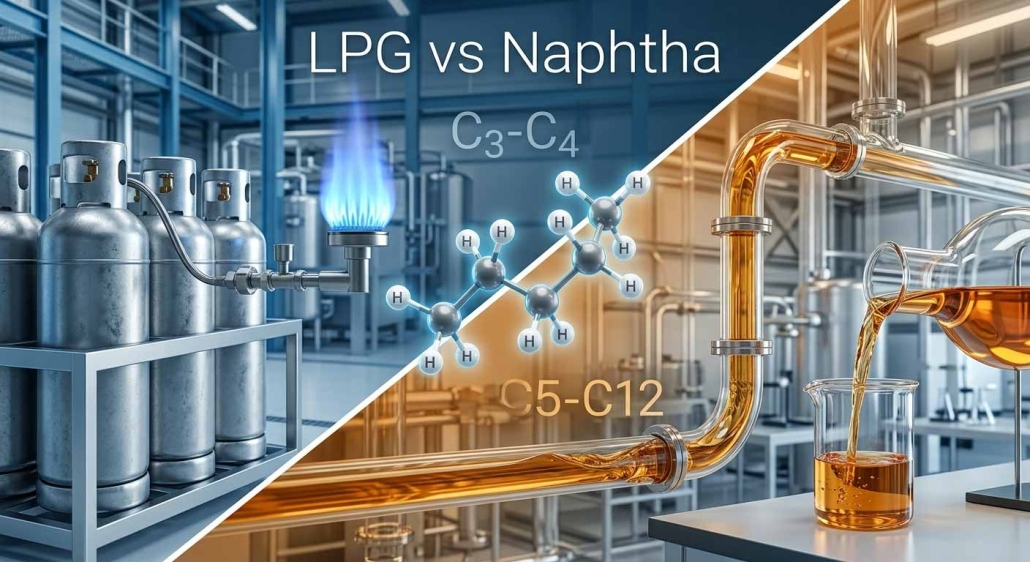
In the global petroleum industry, different hydrocarbon fuels serve distinct roles across energy systems, petrochemical production, and industrial operations. Two of the most widely traded products are Liquefied Petroleum Gas (LPG) and naphtha. Although both originate from crude oil refining and natural gas processing, they differ significantly in physical properties, chemical composition, logistics, and industrial applications.
For petroleum traders, refinery planners, engineers, and industrial buyers, understanding LPG vs naphtha is essential when evaluating feedstock options, fuel performance, and supply chain logistics. These two products are critical building blocks of the modern energy economy. LPG is widely used for residential heating, industrial fuel, and petrochemical feedstock, while naphtha plays a central role in gasoline blending and petrochemical steam cracking.
Summary:
The key difference between LPG and naphtha lies in their physical state and molecular composition. LPG consists mainly of light hydrocarbon gases such as propane and butane that are liquefied under pressure, while naphtha is a liquid petroleum fraction composed of heavier hydrocarbons typically used as petrochemical feedstock and gasoline blendstock.
What is LPG?
Liquefied Petroleum Gas (LPG) refers to a group of light hydrocarbon gases that can be easily liquefied under moderate pressure for efficient storage and transport. LPG is one of the most versatile fuels in global petroleum products markets due to its high energy content and relatively clean combustion.
LPG Composition
The typical LPG composition includes:
- Propane (C₃H₈)
- Butane (C₄H₁₀)
- Isobutane
- Small amounts of other light hydrocarbons
Depending on market specifications and climate conditions, LPG can be supplied in different commercial grades:
- Propane Grade LPG
- Butane Grade LPG
- Propane–Butane Mix (Commercial LPG)
Cold climates generally favor propane‑rich LPG because propane vaporizes at lower temperatures.
LPG Production Sources
LPG is produced through two main industrial processes.
Natural Gas Processing
Raw natural gas extracted from reservoirs contains heavier hydrocarbons known as Natural Gas Liquids (NGLs). Gas processing plants separate these components through cryogenic processing and fractionation towers, producing propane and butane streams that are sold as LPG.
Crude Oil Refining
Refineries also produce LPG during several refining operations such as:
- atmospheric distillation
- catalytic cracking
- hydrocracking
- reforming processes
These operations generate light hydrocarbons that are captured, separated, and processed into commercial LPG products.
Storage and Transportation
LPG is stored and transported as a liquid under pressure, which significantly reduces its volume. Typical storage and distribution infrastructure includes:
- household LPG cylinders
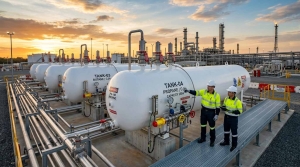
- bulk storage tanks
- pressurized road tankers
- rail tank cars
- refrigerated LPG carriers
For a deeper technical explanation, see what is LPG and how it functions within global fuel markets.
What is Naphtha?
Naphtha is a volatile liquid hydrocarbon mixture produced during crude oil refining or natural gas condensate processing. Unlike LPG, which exists as gas at atmospheric pressure, naphtha remains a liquid under normal conditions.
It typically consists of hydrocarbons in the C5–C12 carbon range, making it heavier than LPG components.
Naphtha is generally categorized into two main types:
Light Naphtha
- boiling range roughly 30–90°C
- used primarily for petrochemical steam cracking
- important feedstock for olefin production
Heavy Naphtha
- boiling range roughly 90–200°C
- widely used in gasoline blending
- often processed in catalytic reformers to produce high‑octane gasoline components and aromatics
Because of its chemical versatility, naphtha is one of the most important feedstocks for the global petrochemical industry.
LPG vs Naphtha: Are They the Same?
Despite originating from similar hydrocarbon processing systems, LPG and naphtha are fundamentally different products.
The most important distinction lies in physical state and molecular weight.
- LPG consists of light gases (C3–C4 hydrocarbons) that are liquefied under pressure.
- Naphtha consists of heavier liquid hydrocarbons (C5–C12 range) that remain liquid at atmospheric conditions.
These differences affect how the fuels are transported, stored, traded, and used in industrial processes.
Differences in Supply Chains
LPG logistics rely on pressurized or refrigerated transport, including specialized LPG carriers.
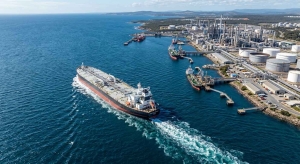
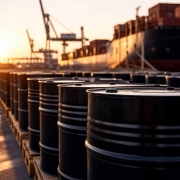
Naphtha, by contrast, behaves like other liquid petroleum products and can be transported using conventional oil tankers, pipelines, and storage tanks.
Regional Feedstock Preferences
In petrochemical manufacturing, the choice between LPG and naphtha often depends on regional economics.
- North America and the Middle East often favor LPG or ethane due to abundant natural gas liquids.
- Europe and parts of Asia rely more heavily on naphtha as a petrochemical feedstock due to refinery integration.
LPG vs Naphtha: Key Differences
| Feature | LPG | Naphtha |
|---|---|---|
| Composition | Propane, butane, light hydrocarbons | Hydrocarbon mixture C5–C12 |
| Physical State | Gas at atmospheric pressure (liquefied under pressure) | Liquid at normal conditions |
| Boiling Range | −42°C to around −0.5°C | 30°C to 200°C |
| Energy Density | High energy per mass | Higher volumetric density |
| Typical Applications | Heating, cooking, autogas, petrochemicals | Petrochemical feedstock, gasoline blending |
| Transport Method | Pressurized tanks and LPG carriers | Conventional oil tankers and pipelines |
| Storage Conditions | Pressurized containers | Atmospheric storage tanks |
These distinctions make LPG and naphtha suitable for entirely different roles within global energy and petrochemical supply chains.
How LPG is Produced
LPG production is closely linked to both natural gas extraction and petroleum refining operations.
Natural Gas Processing
During gas processing, raw natural gas is cooled and separated to remove heavier hydrocarbons. This produces streams of:
- ethane
- propane
- butane
- natural gasoline
Fractionation towers then separate propane and butane into LPG-grade products.
Petroleum Refining
Crude oil refining produces LPG as a by‑product during several conversion processes. Refinery gas streams pass through gas recovery systems, where light hydrocarbons are separated and stabilized.
These streams are later fractionated to produce commercial LPG products such as Propane Grade LPG or Butane Grade LPG.
Industrial and Commercial Uses
LPG and naphtha both support large industrial sectors but serve different functional roles.
Residential Heating and Cooking
LPG is widely used for household cooking and heating, particularly in regions without natural gas pipeline infrastructure.
Industrial Heating
Industrial facilities use LPG in furnaces, kilns, and boilers due to its controllable combustion and clean burning characteristics.
Petrochemical Feedstock
Both LPG and naphtha are used in petrochemical production.
- LPG (propane or butane) can be cracked into propylene or other olefins.
- Naphtha is commonly used in steam crackers to produce ethylene, propylene, and aromatics.
Autogas Fuel
LPG is widely used as an automotive fuel alternative known as autogas, offering lower emissions compared with traditional fuels. For comparison with other fuels, see Gasoline vs diesel.
Agriculture
Agricultural uses include crop drying, greenhouse heating, and pest control fumigation.
Power Generation
LPG can be used in decentralized power systems or backup generators in remote regions.
Safety and Storage
Handling LPG requires specialized infrastructure due to its pressurized nature.
Pressurized Storage
LPG must be stored in containers designed to withstand internal pressure, such as:
- steel LPG cylinders
- bulk storage tanks
- pressurized vessels
Flammability
Both LPG and naphtha are flammable hydrocarbons. However, LPG leaks disperse as gas clouds, while naphtha spills remain liquid and pose fire risks through vapor formation.
Transportation Safety
LPG transportation uses dedicated pressurized equipment, while naphtha logistics follow standard liquid fuel transport protocols.
Global LPG Market Overview
The global LPG market continues to grow due to rising energy demand and expanding petrochemical production.
Major Producing Regions
Key production hubs include:
- North America
- Middle East
- China
- Southeast Asia
Shale gas development in the United States has dramatically increased global LPG supply.
Key Exporting Countries
Major exporters include:
- United States
- Qatar
- Saudi Arabia
- United Arab Emirates
These countries supply LPG to fast‑growing demand centers in Asia and Europe.
LPG in the Energy Transition
LPG is increasingly considered a transition fuel because it produces fewer emissions than coal or heavy fuel oil. For comparisons with other gaseous fuels, see LPG vs LNG.
Frequently Asked Questions (FAQ)
Is LPG the same as naphtha?
No. LPG consists of light hydrocarbon gases such as propane and butane, while naphtha is a liquid mixture of heavier hydrocarbons used mainly in petrochemical production and gasoline blending.
Why is LPG easier to transport in cylinders?
Because LPG can be liquefied under moderate pressure, it can be stored in compact cylinders, making it suitable for household and industrial distribution.
Which is better for petrochemicals: LPG or naphtha?
Both are used as feedstocks. LPG cracking typically produces higher propylene yields, while naphtha cracking produces a wider range of petrochemical products.
Can LPG replace naphtha in petrochemical plants?
In some processes, LPG can substitute for naphtha depending on cracker design and feedstock availability.
Is LPG environmentally cleaner than naphtha?
LPG generally burns cleaner with fewer particulate emissions compared with heavier liquid fuels, although both remain fossil‑derived hydrocarbons.
Conclusion
Understanding the LPG vs naphtha distinction is essential for professionals involved in refining, petrochemicals, fuel trading, and industrial energy systems. While both fuels originate from hydrocarbon processing, they differ significantly in molecular composition, physical properties, storage requirements, and end‑use applications.
LPG consists primarily of propane and butane gases that are liquefied under pressure and widely used for heating, transportation fuel, and petrochemical feedstock. Naphtha, on the other hand, is a liquid petroleum fraction composed of heavier hydrocarbons that plays a central role in gasoline blending and petrochemical manufacturing.
For energy traders and industrial buyers navigating global petroleum products markets, understanding these differences helps ensure the correct fuel selection, efficient supply chain management, and optimal operational performance across industrial and energy systems.
Global Petroleum Trade Solutions | Universal Trades
As a reputable international petroleum trading enterprise, Universal Trades specializes in the reliable procurement, export, and supply chain management of high-grade petroleum commodities, refined fuels, and industrial feedstocks designed to meet rigorous global standards.






Leave a Reply
Want to join the discussion?Feel free to contribute!