
Top 10 Largest Crude Oil Exporting Countries in 2026
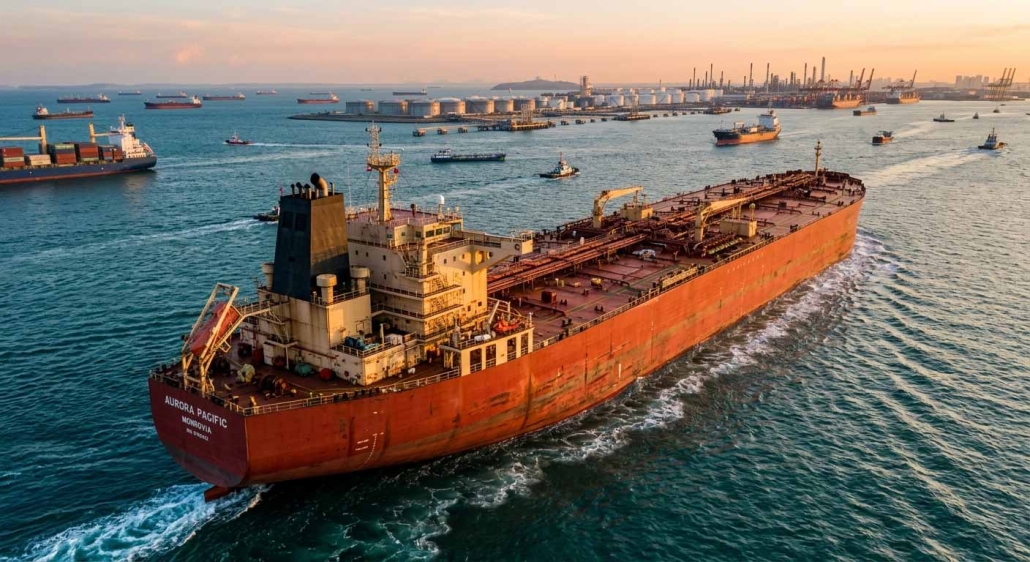
The largest crude oil exporting countries in 2026 continue to shape global energy markets, trade balances, and refinery economics. As Asia remains the main demand center and OPEC+ supply policy influences seaborne flows, crude oil export rankings in 2026 reflect a mix of reserves, upstream investment, logistics, and geopolitics.
For broader market context, readers may also explore our guides to largest oil-producing countries in the world, largest oil-consuming countries in the world, and top countries by oil reserves.
Global Crude Oil Export Overview in 2026
In 2026, global crude oil exports are expected to remain concentrated among a relatively small group of producers, particularly in the Middle East, Russia, and the Americas. Saudi Arabia, Russia, Iraq, the United Arab Emirates, and Canada are likely to remain among the top crude oil exporters, while countries such as the United States, Kuwait, and Nigeria also hold important positions in global oil trade.
Most export barrels continue to move toward major refining hubs in Asia, especially China, India, South Korea, Japan, and Singapore. Europe remains a significant destination for Atlantic Basin and Middle Eastern crude, while OPEC exports still account for a substantial share of total seaborne crude movements. As with any forward-looking market snapshot, the figures below are approximate 2026 estimates.
Largest Crude Oil Exporting Countries in 2026
| Rank | Country | Crude oil export volume (mb/d) | Share of global exports (%) | Main export destination countries |
|---|---|---|---|---|
| 1 | Saudi Arabia | 7.2 | 16.2 | China, India, Japan, South Korea |
| 2 | Russia | 4.8 | 10.8 | China, India, Turkey |
| 3 | Iraq | 3.6 | 8.1 | China, India, South Korea |
| 4 | United Arab Emirates | 3.3 | 7.4 | India, China, Japan, South Korea |
| 5 | Canada | 3.2 | 7.2 | United States, China |
| 6 | United States | 3.1 | 7.0 | Netherlands, South Korea, India, UK |
| 7 | Kuwait | 2.1 | 4.7 | China, India, Japan, South Korea |
| 8 | Nigeria | 1.9 | 4.3 | India, Netherlands, Spain, Indonesia |
| 9 | Kazakhstan | 1.6 | 3.6 | Italy, Netherlands, France |
| 10 | Norway | 1.5 | 3.4 | UK, Netherlands, Germany |
| 11 | Brazil | 1.5 | 3.4 | China, Spain, United States |
| 12 | Angola | 1.1 | 2.5 | China, India, Spain |
| 13 | Mexico | 1.0 | 2.3 | United States, India, South Korea |
| 14 | Libya | 1.0 | 2.3 | Italy, Germany, Spain |
| 15 | Oman | 0.9 | 2.0 | China, India |
| Other Countries | 7.6 | 17.1 | Various | |
| OPEC Exports | 20.8 | 46.8 | Asia, Europe, Americas | |
| Total World Exports | 44.4 | 100.0 | Global market |
What Drives the 2026 Oil Export Rankings?
The leading exporters dominate because they combine large reserves, low production costs, mature upstream infrastructure, and access to major shipping routes. Gulf producers retain an advantage thanks to scale, spare capacity, and proximity to Asian markets. For a broader downstream view, see our coverage of largest oil refineries in the world and top countries in oil refining capacity.
Russia remains a major exporter despite shifting trade routes, with Asia absorbing a large share of its crude. Canada and the United States benefit from robust production and export infrastructure, although Canada still sends most of its crude to the U.S. market. Brazil, Norway, and Kazakhstan remain important non-OPEC suppliers to refiners in Europe and Asia.
OPEC exports still play a central role in balancing the market. Production targets, voluntary cuts, and pricing strategy continue to affect export availability and benchmark direction. Readers tracking market direction may also be interested in our crude oil price forecast for 2026.
Destination patterns are heavily shaped by refining demand. China and India remain the largest growth-oriented buyers of imported crude, while South Korea, Japan, and major European refining centers continue to anchor trade flows. Countries with complex refining systems also influence demand for specific grades, much like in our analysis of introduction to different types of petroleum products and top gasoline-exporting countries.
Approximate Crude Oil Production by Region in 2026
(Estimated volumes in million barrels per day – mb/d)
| Region | Approximate crude oil production (mb/d) |
|---|---|
| Middle East | 31.5 |
| North America | 27.8 |
| Europe (incl. Norway) | 4.6 |
| Russia & Caspian | 11.2 |
| South America | 8.3 |
| Africa | 7.2 |
| Asia-Pacific (excl. Middle East & Russia) | 7.4 |
| Total World Production | ≈ 98–100 mb/d |
Regional gasoline output broadly reflects refinery scale, vehicle fuel demand, and export capacity. Asia leads due to its large refining base and domestic consumption, while North America remains a major producer supported by extensive refinery networks. For related topics, see more articles about gasoline, introduction to different types of gasoline, and top countries in gasoline production.
Conclusion
The largest crude oil exporting countries in 2026 remain concentrated among a handful of producers with strong reserves, export infrastructure, and reliable access to key markets. Saudi Arabia, Russia, Iraq, the UAE, and Canada continue to rank among the most important suppliers, while OPEC exports still account for nearly half of global crude trade.
As oil export rankings 2026 show, Asia remains the center of import demand, and shifts in OPEC policy, geopolitics, and refinery economics will continue to influence crude oil exports by country. For energy companies, traders, and downstream buyers, these export patterns remain essential to understanding the wider global oil trade.
Global Petroleum Trade Solutions | Universal Trades
As a reputable international petroleum trading enterprise, Universal Trades specializes in the reliable procurement, export, and supply chain management of high-grade petroleum commodities, refined fuels, and industrial feedstocks designed to meet rigorous global standards.









Leave a Reply
Want to join the discussion?Feel free to contribute!