
Sulfur Safety Guide: Expert Protocols for Storage, Transport, and Processing
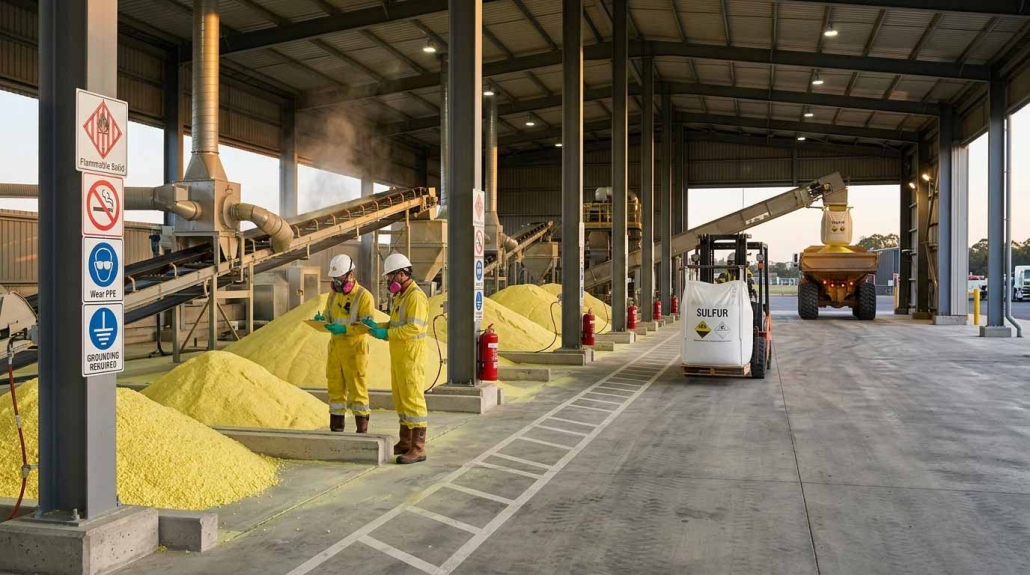
Sulfur is one of the most important materials in the global Petroleum Products and chemical supply chain, but it also presents specific operational risks that buyers, warehouse teams, and logistics managers cannot ignore. Whether you are handling Granular Sulfur for fertilizer production or Lumpy Sulfur for industrial processing, safe handling is essential for protecting workers, preserving product quality, and preventing costly disruptions.
This guide explains how to manage sulfur safely during storage, transport, and processing, with practical recommendations that help reduce fire risk, dust exposure, contamination, and financial loss. If you are new to sulfur grades and forms, our Introduction to Sulfur Types provides useful background before applying the safety principles below.
Why Sulfur Safety Matters in Industrial Operations
Sulfur may appear stable in normal conditions, but in bulk trading and industrial use it can become hazardous if mishandled. Fires, dust ignition, contamination, and poor ventilation can lead to serious incidents, product loss, shipment claims, and operational downtime.
For traders, buyers, and plant operators, sulfur safety is not only a compliance issue. It directly affects:
- Worker health and safety
- Inventory quality
- Loading and unloading efficiency
- Insurance and liability exposure
- Customer satisfaction in export markets
Companies that publish clear safety procedures also strengthen buyer confidence, especially when supplying material under strict specifications such as those discussed in our Export‑Grade Sulfur Buying Guide.
Sulfur Hazard Identification: Fire, Dust, and Toxic Exposure
Sulfur dust explosion risk
One of sulfur’s most important hazards is combustible dust. Fine sulfur particles can ignite when dispersed in air and exposed to an ignition source. This is especially relevant when handling Powdered Sulfur or when bulk material is moved in ways that generate dust clouds.
High-risk conditions include:
- Conveyor transfer points
- Poorly ventilated enclosed spaces
- Dust accumulation on equipment
- Sparks from mechanical friction
- Static electricity discharge
To reduce the risk, facilities should minimize dust generation, maintain housekeeping standards, and use properly grounded equipment.
Fire hazards
Sulfur is a flammable solid under certain conditions. Stockpiles, dust layers, and overheated equipment can create ignition points. Once sulfur burns, it may produce sulfur dioxide gas, which is irritating and dangerous in confined areas.
Key prevention steps include:
- Strict no-smoking policies
- Hot-work permit controls
- Temperature monitoring near storage and processing zones
- Rapid cleanup of spilled sulfur dust
- Isolation of sulfur from incompatible ignition sources
Toxic gas exposure
When sulfur burns or decomposes, it can release sulfur dioxide (SO₂) and other irritating gases. Workers in storage yards, processing plants, and transport terminals should be trained to recognize symptoms of exposure, including coughing, eye irritation, and breathing difficulty.
For technical quality considerations that may affect safe industrial use, see our Sulfur Analysis resource.

Safe Sulfur Storage Protocols
Moisture control
Sulfur should be stored in a dry environment. Excess moisture can contribute to caking, handling difficulties, contamination, and quality deterioration during long-term storage or export preparation. This matters across many grades, including Prilled Sulfur and agricultural products such as Agricultural Sulfur.
Best practices:
- Store sulfur under covered conditions whenever possible
- Prevent rainwater intrusion into piles and loading areas
- Use moisture-resistant packaging for bagged cargo
- Inspect warehouse roofs, drainage, and floor integrity regularly
Ventilation requirements
Good ventilation helps reduce the buildup of dust and any gases that may form in enclosed spaces. Warehouses, bagging lines, and processing facilities should have airflow systems suitable for combustible dust environments.
Ventilation planning should include:
- Dust extraction at transfer points
- Airflow monitoring in enclosed process areas
- Avoidance of dead zones where dust can accumulate
- Routine maintenance of filters and ducts
Pile management and housekeeping
Improper stockpile management can increase the risk of self-heating, contamination, or mechanical instability. Large sulfur piles should be monitored and managed carefully.
Use this checklist:
- Keep storage piles away from ignition sources
- Avoid excessive pile compaction where heat may build up
- Separate old and new inventory where practical
- Use first-in, first-out rotation for quality preservation
- Remove dust accumulations from floors, beams, and machinery
Businesses that work across multiple sulfur grades can also benefit from reviewing broader educational resources in our Sulfur Articles section.
To learn more about how to store sulfur, read the article “The Complete Guide to Sulfur Storage.”
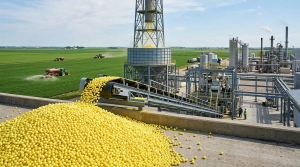
Sulfur Transport and Bulk Shipping Safety
Transport safety begins before the cargo leaves the warehouse. Packaging quality, loading methods, and cargo form all affect risk during domestic and international shipment.
Bulk versus bagged sulfur
Bulk sulfur shipments require careful control of dust, moisture exposure, and cargo shifting. Bagged sulfur may reduce some handling risks but introduces packaging integrity concerns.
Important controls include:
- Clean, dry loading equipment
- Verified cargo containment
- Protection from sparks and hot surfaces
- Inspection of vessel holds, trucks, or containers before loading
- Proper segregation from incompatible materials
Form-specific handling differences
Different sulfur forms require different precautions:
- Prilled Sulfur generally offers easier flow and lower dust generation than fine powders, but still requires protection from contamination and moisture.
- Powdered Sulfur presents the highest dust-control priority.
- Granular Sulfur is often easier to handle in bulk but can still generate fines during repeated transfer.
- Lumpy Sulfur may require crushing or size reduction, increasing dust risk during downstream processing.
Transport documentation and compliance
For exporters and importers, safety is also a documentation issue. Shipment papers, labeling, product specifications, and emergency procedures should be aligned with destination-country requirements and contract terms. This is especially important when market conditions shift, as discussed in the Global Sulfur Price Forecast, because cost pressure should never compromise safe logistics standards.
Safe Processing and Operational Handling
Processing sulfur safely requires a combination of PPE, equipment design, and operator discipline.
PPE requirements
Workers involved in sulfur unloading, transfer, sampling, or processing should use PPE appropriate to the task and exposure level, such as:
- Safety goggles
- Gloves
- Flame-resistant workwear
- Dust masks or respirators where required
- Safety boots
- Hearing protection near process equipment
Machinery and operational safety
Conveyors, crushers, hoppers, and screens can all create ignition or dust hazards if poorly maintained. Safe implementation includes:
- Grounding and bonding of equipment
- Use of dust-control systems
- Preventive maintenance for bearings and moving parts
- Monitoring for overheating and friction
- Emergency shutdown procedures
- Restricted access to active process lines
Sampling and quality control should also be done carefully, especially where particle size and purity affect performance in fertilizer and industrial applications.
Practical Steps to Reduce Financial Loss
The best sulfur safety programs do more than prevent accidents—they protect margins. A single fire, contamination issue, or rejected shipment can create losses through product damage, demurrage, insurance claims, and contract disputes.
To reduce financial exposure:
- Standardize sulfur handling SOPs across sites
- Train forklift, warehouse, and terminal staff regularly
- Audit dust-control and ventilation systems
- Match packaging to transport route and climate
- Review customer specs before shipment
- Integrate safety checks into commercial quality control
In practice, safe handling is also a sales advantage. Buyers are more likely to trust suppliers who demonstrate strong operational discipline and product knowledge.
Frequently Asked Questions
What is the flashpoint of sulfur?
Sulfur behavior depends on its physical form and conditions, but the key operational issue is not just flashpoint—it is the combination of heat, fine dust, and ignition sources. Facilities should follow tested fire-prevention procedures rather than rely on a single temperature indicator.
How do you extinguish a sulfur fire?
Sulfur fires should be handled using site-approved firefighting procedures and trained emergency personnel. The correct method depends on the fire size, location, and surrounding equipment. Improper extinguishing methods may spread contamination or increase gas exposure.
Why is powdered sulfur more hazardous than larger sulfur forms?
Because fine particles disperse easily in air, increasing the risk of dust ignition and worker inhalation. That is why Powdered Sulfur demands stronger dust control than coarser grades.
Does sulfur form affect transport risk?
Yes. Particle size, dust generation, moisture sensitivity, and handling method all influence transport safety. Suppliers should choose the right packaging and loading method based on cargo form and destination requirements.









Leave a Reply
Want to join the discussion?Feel free to contribute!