
Agricultural Sulfur Standards: Choosing the Right Sulfur for Your Farm
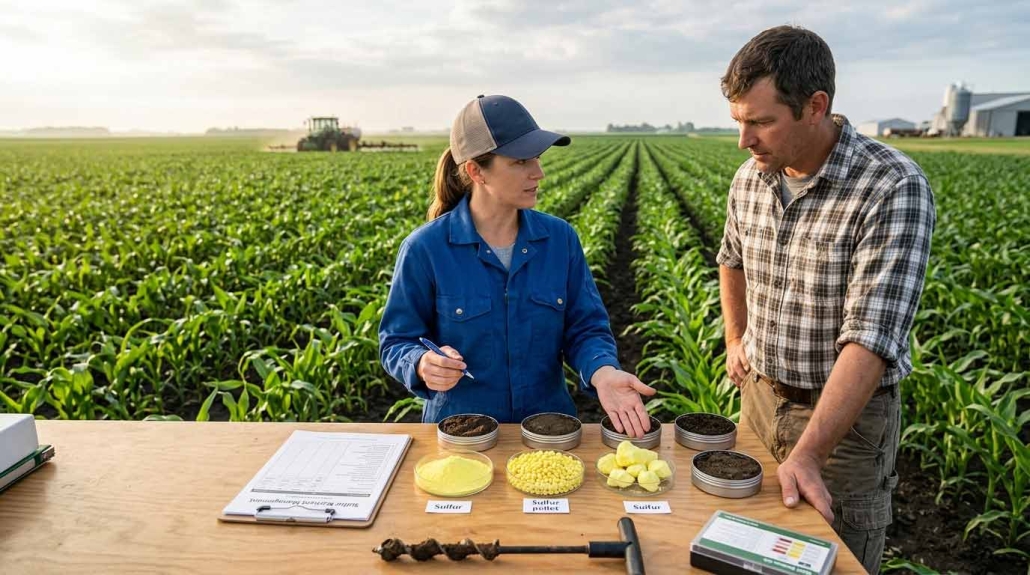
Sulfur is one of the most underestimated agricultural inputs—yet it plays a defining role in soil health, nutrient uptake, crop yield, and long‑term farm profitability. As global demand increases, farmers are paying closer attention to sulfur quality standards and how to choose the correct sulfur form for their soil type and crop requirements.
This article provides a complete, practical, and expert‑level guide to help farmers, agronomists, and agricultural suppliers evaluate sulfur quality, understand Technical Data Sheet (TDS) specifications, and select the best sulfur for their land.
Why Sulfur Quality Matters in Agriculture
Sulfur is essential for:
- Chlorophyll formation
- Protein synthesis
- Nitrogen efficiency
- Oil production in oilseed crops
- Soil pH regulation
However, not all sulfur products perform equally. Factors like purity, particle size, and moisture content dramatically influence:
- How fast sulfur oxidizes in soil
- How efficiently plants absorb sulfur
- How well sulfur corrects high‑pH alkaline soils
- The overall cost‑effectiveness of the fertilizer application
Understanding these specifications often starts with a proper Sulfur Analysis, which helps verify if the product meets acceptable agricultural standards.
Detailed TDS (Technical Data Sheet) Comparison Table
Below is a comprehensive table outlining the key sulfur TDS parameters, the recommended values, and why each parameter matters.
| TDS Parameter | Recommended Value / Range | Why It Matters |
|---|---|---|
| Purity (S content) | 98% – 99.9% | Higher purity ensures better oxidation and nutrient availability. |
| Mesh Size (particle size) | 40–200 mesh (depending on application) | Controls oxidation speed: fine for fast action, coarse for slow release. |
| Moisture Content | < 0.5% | Low moisture prevents clumping, improves spreading, and maintains shelf life. |
| Acidity (pH) | Neutral to slightly acidic (6–7) | Prevents soil imbalance and protects plant roots from chemical burns. |
| Ash Content | < 0.1% | Low ash indicates fewer impurities that may harm soil or reduce effectiveness. |
| Color | Bright yellow | Indicates proper refining; darker tones may signal impurities. |
| Carbon Content | < 0.05% | High carbon can reduce sulfur oxidation efficiency in soil. |
| Oil Content | < 0.3% | High oil causes clumping and uneven oxidation. |
| Granule Strength (for granular sulfur) | High mechanical strength | Ensures durability during transport & application. |
For a deeper understanding of these numbers, you can refer to your supplier’s complete Sulfur Analysis report.
Different Types of Agricultural Sulfur and Their Applications
Choosing between Lump Sulfur, Granular Sulfur, and Powdered Sulfur depends on your soil type, crop needs, and required oxidation speed. Detailed discussions of these forms can be found in related Types of Sulfur and Sulfur Articles, but here is a practical breakdown:
1. Powdered Sulfur (Fastest Oxidizing)
- Very fine particles
- Best for rapid soil acidification
- Suitable for alkaline soils
- Ideal where immediate sulfur response is needed
- Oxidizes quickly due to high surface area
2. Granular Sulfur (Controlled‑Release)
- Preferred for large-scale field applications
- Dust‑free, easy to spread
- Best for long‑term soil pH correction
- More resistant to wind drift and handling losses
- Often chosen for industrial-scale agriculture
3. Lump Sulfur (Slowest Oxidizing)
- Mostly used as a raw material for further processing
- Not directly suitable for soil application unless ground
- Quality varies widely depending on refining method
Each form has unique behaviors in the soil, so choosing correctly is critical to performance.
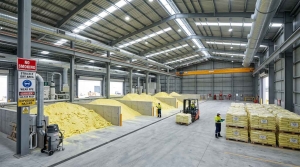
How to Assess Sulfur Quality Before Purchase
Use this checklist to evaluate sulfur before buying:
- Request a full TDS + Sulfur Analysis report
- Verify purity above 98%
- Check mesh size appropriate for your application
- Ensure product is free of odor, clumps, or excessive dust
- Compare prices with market benchmarks (refer to the Global Sulfur Market Price Outlook)
- Confirm that the sulfur is stored in moisture‑controlled conditions
- Ask for test certificates from recent production batches
If you are purchasing in large volumes—especially for export or import—it is recommended to read the Export Sulfur Procurement Guide to avoid common supplier‑related risks.
Signs of Poor-Quality Sulfur and How It Affects Agriculture
Low-quality sulfur can cause:
- Poor oxidation speeds
- Soil pH imbalance
- Lower nutrient uptake
- Reduced growth in sensitive crops
- Increased application costs due to inefficiency
Indicators of poor quality include:
- Clumping (high moisture)
- Dark coloration (impurities)
- Low purity (< 95%)
- Excessive ash content
- Inconsistent particle sizes
These issues can significantly undermine expected crop yield and soil improvement results.
Expert Recommendations: Choosing the Right Sulfur for Your Soil and Crops
Alkaline soils (pH > 7.5)
Choose Powdered Sulfur for rapid acidification.
Neutral or slightly alkaline soils
Granular Sulfur offers a balanced, sustained release.
High-value crops (grapes, berries, oilseeds)
Use high-purity sulfur with controlled mesh size tailored to crop needs.
Long-term soil improvement programs
A combination of Powdered (immediate effect) and Granular (long-term effect) is often ideal.
Large-scale mechanized farms
Granular sulfur is preferred because of handling efficiency and low dust generation.
Conclusion: Key Takeaways for Farmers and Agricultural Buyers
Selecting the right sulfur type—and ensuring it meets agricultural TDS standards—directly impacts soil health, nutrient absorption, crop yield, and long-term farm sustainability.
To choose the right sulfur:
- Always check the TDS and purity.
- Match sulfur form (granular, powdered, lump) to your soil needs.
- Use sulfur quality reports such as Sulfur Analysis to validate product claims.
For deeper reading on sulfur classifications and usage trends, explore your supplier’s Types of Sulfur and broader Sulfur Articles library.





Leave a Reply
Want to join the discussion?Feel free to contribute!