
Best Gasoline Additives for Engine Performance
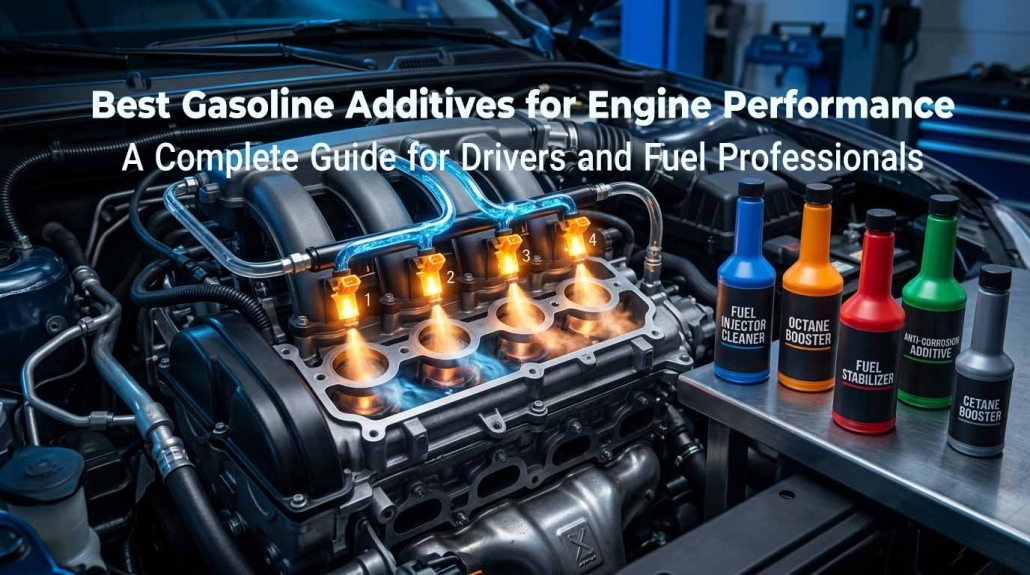
A Complete Guide for Drivers and Fuel Professionals
Choosing the right gasoline additive can significantly improve engine performance, enhance fuel quality, reduce emissions, and extend engine life. Whether you are a regular driver, fleet manager, or a buyer in the petroleum industry, understanding how additives work—and which ones truly make a difference—is essential.
This comprehensive guide explains the best gasoline additives, how they work, how to choose the right one, and why using original, certified additives is critical for both vehicle health and safety.
What Are Gasoline Additives and Why Do They Matter?
Gasoline additives are chemical compounds mixed with fuel to improve performance, increase efficiency, or correct deficiencies in fuel quality. Even in countries ranked among the Top 10 Gasoline Producing Countries, additives are a standard part of refining and retail distribution.
Additives can:
- Clean deposits from the fuel system
- Improve combustion
- Boost octane rating
- Prevent corrosion
- Stabilize fuel during storage
- Reduce emissions
- Restore lost engine power
Their role becomes especially important when fuel quality varies or when engines require specific fuel characteristics, such as in Premium Gasoline and high‑performance vehicles.
The Importance of Choosing Original, Non‑Counterfeit Additives
One of the most critical issues in the global fuel‑additive market is counterfeit products.
Fake additives can cause:
- Injector clogging
- Increased engine knocking (especially noticeable in low-octane fuels; see: Octane Number)
- Corrosion of fuel system components
- Higher emissions
- Reduced fuel efficiency
- Damage to catalytic converters
Always purchase additives from reputable brands and authorized suppliers. Counterfeit additives often mimic the packaging of well‑known brands but contain harmful chemicals, low‑grade solvents, or diluted formulas.
Types of Gasoline Additives and How They Work
1. Fuel Injector Cleaners
These additives remove carbon deposits from injectors, intake valves, and combustion chambers.
Benefits:
- Restores lost power
- Improves idle smoothness
- Enhances fuel atomization
- Reduces fuel consumption
Often recommended for older vehicles or regions where fuel quality fluctuates (see: Guide to Gasoline Color for identifying fuel quality indicators).
2. Octane Boosters
These additives increase gasoline’s resistance to knocking.
Benefits:
- Prevents engine knock
- Improves acceleration
- Useful when fuel pumps do not offer Premium Gasoline
- Essential for turbocharged or high‑compression engines
Octane boosters are especially useful when fuel supply chains are affected by global market changes—refer to Gasoline Price Prediction 2026 for future market expectations.
3. Fuel Stabilizers
Fuel stabilizers keep gasoline fresh during long storage periods.
Benefits:
- Prevents oxidation
- Maintains optimal volatility
- Useful for generators, motorcycles, seasonal vehicles, and stored gasoline
Stabilizers are chemically similar to additives used in White Gasoline, which is known for its purity and stability.
4. Detergent Additives
These additives maintain long-term engine cleanliness.
Benefits:
- Reduces carbon buildup
- Improves emission levels
- Keeps fuel economy consistent
5. Anti-Corrosion Agents
These additives protect metal components inside the fuel system.
Benefits:
- Prevents rust
- Ensures longer pump and injector life
- Critical for older vehicles and areas with humid climates

6. Anti‑Knock Agents
Historically, tetraethyl lead was used—now banned globally due to toxicity. Modern anti‑knock additives are much safer.
Benefits:
- Allows cleaner combustion
- Reduces knock intensity
- Supports engines designed for higher octane fuels
Related topic: Naphtha, which plays a major role in octane blending in refineries.
Best Gasoline Additive Brands (Global and Trusted)
1. Chevron Techron
- One of the strongest injector-cleaning formulas
- Ideal for cars experiencing rough idle or reduced power
- High reliability, widely tested
2. STP Fuel Additives
- Affordable and effective
- Good for routine maintenance
- Offers octane boosters and detergents
3. Liqui Moly (Germany)
- Premium additives with strong performance
- Excellent for European cars and turbo engines
4. Gumout
- Strong detergents, PEA-based formulas
- Effective for long-term engine care
5. Red Line SI‑1
- High concentration PEA cleaner
- Ideal for engines with heavy carbon buildup
These brands have strict quality controls that help eliminate the risk of counterfeit chemicals. Always verify authenticity through holograms, batch numbers, and official retailers.
Industrial‑Grade Gasoline Additives Used by Refineries
Large buyers—such as fuel distributors, refineries, or industrial clients—often request additive packages tailored to their needs. These additives are not typically sold to consumers.
Common Industrial Additives
1. Antioxidants
- Prevent gasoline from forming gums during storage
- Essential for long-distance fuel transport
2. Metal Deactivators
- Neutralize metal ions that accelerate fuel degradation
- Recommended for older storage tanks
3. Industrial Octane Boosters
- Used to correct low-quality gasoline batches
- Improve anti-knock performance
4. Anti-Corrosion Packages
- Protect pipelines, tanks, and refinery equipment
5. Detergent Packages
- Ensure cleaner combustion at a national fuel-distribution scale
These additives play a role in refining lighter fractions like Naphtha into final gasoline blends.
How to Choose the Best Gasoline Additive
When selecting an additive:
- Check vehicle manufacturer recommendations
- Choose original, certified brands
- Identify the problem: knocking, high fuel consumption, rough idle, weak acceleration
- Avoid “miracle” products with unrealistic claims
- Check batch numbers and packaging to avoid counterfeit products
Real-world example: vehicles running on older engines or in regions where Diesel and Kerosene contamination is possible should use stronger detergent additives.
Final Thoughts: Invest in Quality Additives for Better Performance
High-quality gasoline additives are one of the simplest and most cost‑effective ways to enhance engine performance, extend engine life, and maintain fuel system health. With global fuel markets shifting, ensuring consistent fuel quality becomes even more important.
Whether you’re a daily driver or a petroleum-industry buyer, always choose trusted brands, avoid counterfeit products, and understand the specific needs of your engine or operation.
A small investment in the right additive can result in:
- Smoother performance
- Better mileage
- Lower emissions
- Longer engine lifespan
Global Petroleum Trade Solutions | Universal Trades
As a reputable international petroleum trading enterprise, Universal Trades specializes in the reliable procurement, export, and supply chain management of high-grade petroleum commodities, refined fuels, and industrial feedstocks designed to meet rigorous global standards.









Leave a Reply
Want to join the discussion?Feel free to contribute!