
The Looming U.S. Economic Crisis: Unpacking Causes and Potential Consequences
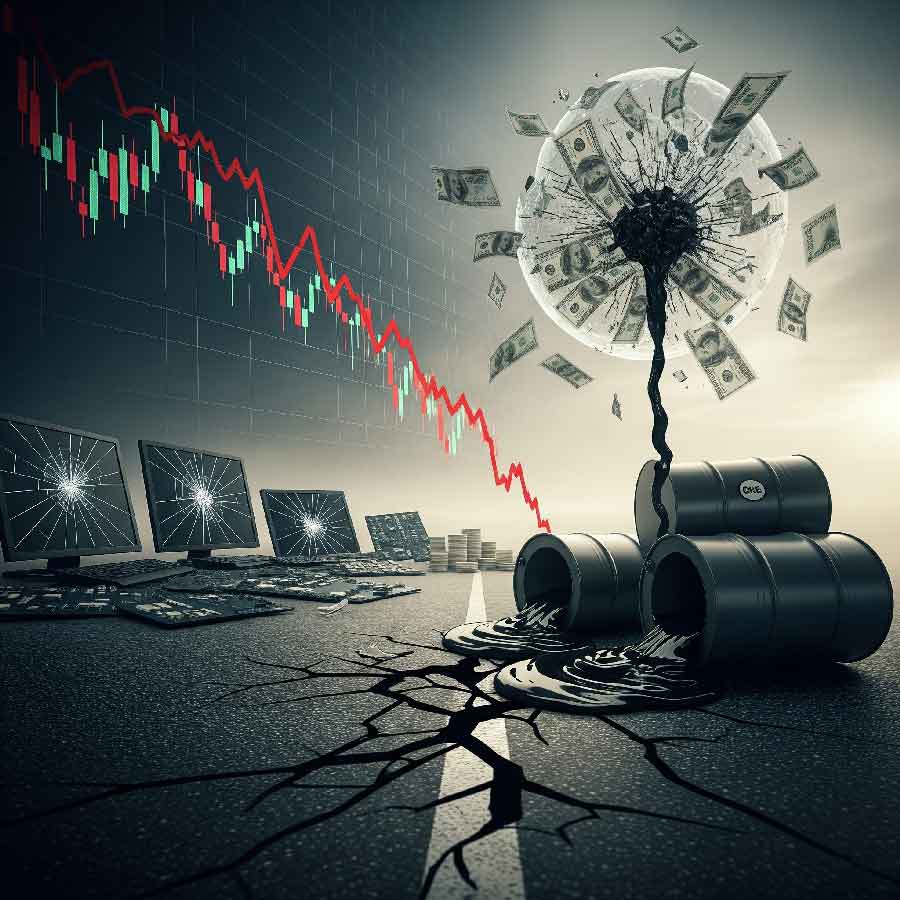
Despite the seemingly robust performance of its stock market, the U.S. economy is drawing significant scrutiny from analysts and economic experts. Many key stock market indicators, particularly within the technology and growth sectors, have soared to unprecedented levels, which many deem “unexpected” and “unjustified.” The core concern is that company stock prices have surged far beyond their ability to generate profits commensurate with these valuations. This striking discrepancy has sounded the alarm for a major economic crisis and a sharp decline in stock prices.
Unpacking the Roots of Concern: Why Have Stock Prices Outpaced Corporate Profits?
The phenomenon of unexpectedly high stock prices compared to companies’ actual profitability stems from several interconnected factors:
- Historically Low Interest Rates: For years, the U.S. Federal Reserve’s monetary policies, aimed at stimulating economic growth, kept interest rates at exceptionally low levels. This made investing in the stock market more appealing, as returns on bonds and other low-risk assets were negligible. A massive influx of liquidity flooded the stock market, pushing prices higher without strong fundamental backing.
- Excessive Optimism and FOMO (Fear Of Missing Out): In bull markets, excessive optimism and investors’ fear of missing out on potential gains can lead to rampant stock purchases, even when prices seem irrational. This collective psychological behavior can contribute to the formation of “price bubbles.”
- Valuation Based on Future Potential, Not Current Profits: Particularly in the technology sector, many companies trade at very high price-to-earnings (P/E) ratios. Investors are betting on these companies’ future growth potential, market share, and technological innovations rather than their current profitability. This valuation approach can be highly risky if expectations aren’t met.
- Increased Corporate Stock Buybacks: Many companies use their profits to repurchase their own shares. This action reduces the number of outstanding shares and artificially inflates earnings per share (EPS), which can drive up stock prices even if the company’s core business hasn’t significantly improved.
- Decelerating Revenue Growth and Profitability Challenges: While stock prices have climbed, many companies face challenges in genuinely increasing their revenue and profit margins. Rising production costs, competitive pressures, and a potential slowdown in consumer demand could diminish companies’ ability to justify their current valuations.
Assessing the Crisis Potential: What Factors Could Trigger It?
Many experts believe the U.S. economy is on the cusp of a significant correction or even a deep recession, which could lead to a sharp drop in stock prices. The following factors could act as triggers for this crisis:
- Sudden Interest Rate Hikes: The Federal Reserve might drastically raise interest rates to curb inflation. This would reduce the stock market’s appeal and increase companies’ financing costs.
- Global Economic Slowdown: A recession in other major global economies could hurt demand for American products and services.
- Rising Inflation and Diminished Consumer Purchasing Power: High inflation can erode consumers’ purchasing power, leading to reduced demand and ultimately impacting corporate profits.
- Unexpected Geopolitical Events: Escalating international tensions or energy crises could heighten uncertainty and destabilize financial markets.
- Disappointing Corporate Earnings Announcements: If major companies fail to meet analyst expectations for profitability, investor confidence could be shaken, potentially leading to widespread stock sell-offs.
The Crisis’s Impact on Various U.S. Industries
An economic crisis and stock market crash could have varying effects across different industries:
- Technology and High-Growth Sectors: These industries, whose stock prices are often valued based on future growth expectations rather than current profits, will likely be hit the hardest. Companies with very high P/E ratios and negligible profitability face significant risk.
- Consumer Discretionary Industries: Sectors like automotive, tourism, and luxury goods, which depend on consumers’ ability to spend disposable income, will face a sharp decline in demand during a recession and reduced consumer confidence.
- Financial Industries: Banks and financial institutions will face risks of increased loan defaults, reduced lending activity, and lower income from market-related fees.
- Manufacturing and Industrial Sectors: With declining demand and investment, the manufacturing and industrial sectors will also experience reduced orders and operational challenges.
- Defensive Industries: Sectors such as healthcare, public utilities (electricity, water, gas), and essential consumer goods typically show more resilience during a recession, as demand for their services and products is less affected; however, even these industries won’t be entirely immune.
The Crisis’s Impact on the Oil and Energy Industry
The oil industry, due to its close ties to global economic growth, is one of the most vulnerable sectors to economic crises:
- Sharp Decline in Demand: An economic recession in the U.S. and, consequently, in the global economy, means reduced industrial activity, transportation, and travel. This directly leads to a decrease in demand for crude oil and petroleum products, resulting in lower profitability for oil companies.
- Reduced Investments: Oil companies may delay or cancel new exploration and production projects, negatively impacting the supply chain and services related to the oil industry.
- High Price Volatility: The oil market is inherently volatile, and an economic crisis can exacerbate these fluctuations. Any negative economic news can quickly affect prices.
- Long-Term Energy Challenges: In the long run, a crisis could present both opportunities and challenges for the transition to clean energy. Reduced investment in oil might benefit renewables, but conversely, decreased government and corporate budgets could also slow down this transition.
Conclusion: Preparing for an Uncertain Future
Expert evidence and concerns suggest that the U.S. economy faces a significant challenge regarding stock valuations and the possibility of an imminent correction or crisis. The repercussions of such a crisis could be widespread and profound, affecting diverse industries from technology to oil. Investors, companies, and policymakers must vigilantly monitor these developments and prepare for various scenarios. In such circumstances, emphasizing strong fundamentals, risk management, and adopting a cautious investment approach becomes paramount.










Leave a Reply
Want to join the discussion?Feel free to contribute!