
Why Is Diesel Color Blue, Green, or Red?
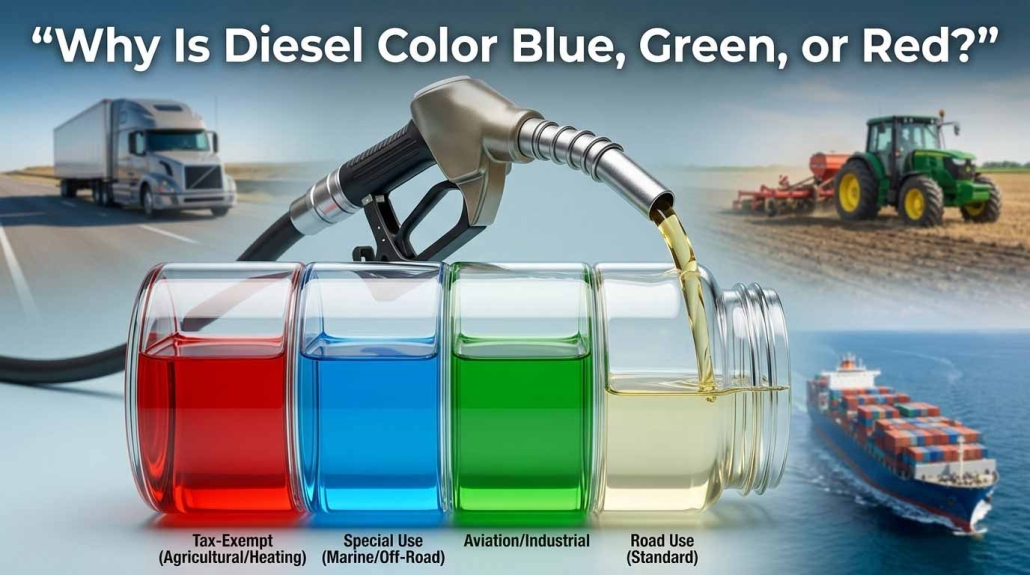
Diesel fuel is not always the same color. In many countries, diesel may appear red, blue, green, or clear, depending on its intended use and regulatory requirements. The reason diesel fuel is dyed different colors is mainly to help governments identify fuel types, enforce taxation rules, and prevent illegal use of untaxed fuel.
Fuel color coding makes it easier for inspectors to determine whether diesel is being used legally. For example, some diesel fuels are taxed for highway use, while others—such as agricultural or marine diesel—are taxed differently or not at all. To prevent tax fraud, these fuels are dyed distinct colors.
Understanding why diesel color is blue, green, or red helps drivers, equipment operators, and businesses comply with fuel regulations and avoid costly penalties.

What Color Is Diesel Fuel Naturally?
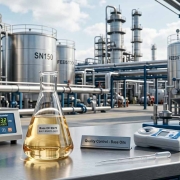
In its natural form, diesel fuel is usually clear to slightly yellow or light amber. The exact shade can vary depending on:
- The crude oil source
- The refining process
- Additives added after refining
- Storage conditions
Fresh diesel refined from petroleum generally appears transparent with a pale yellow tint. As diesel ages or oxidizes, it can become darker.
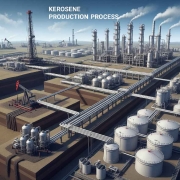
The refining process that produces diesel is explained in detail in the diesel production process, where crude oil is separated into various fuels including gasoline, kerosene, and diesel.
Natural diesel color does not determine fuel quality. Instead, color differences are typically caused by intentional dyes added for regulatory identification.
Why Is Diesel Dyed Different Colors?
Governments around the world require certain diesel fuels to be dyed for legal and taxation purposes. Dyeing fuel helps authorities quickly identify whether the fuel is intended for road vehicles or restricted uses.
The main reasons diesel fuel is dyed include:
1. Tax Enforcement
On‑road diesel used in trucks, cars, and buses is subject to higher fuel taxes. However, some industries—such as agriculture, construction, or marine transportation—receive tax exemptions or lower tax rates.
Dyed diesel helps regulators ensure that tax‑exempt fuel is not illegally used in highway vehicles.
2. Fuel Type Identification
Different diesel formulations may be intended for specific uses, including:
- Off‑road machinery
- Marine engines
- Heating systems
- Industrial generators
Color coding allows users and regulators to quickly identify the correct fuel.
3. Preventing Fuel Fraud
Without dye markers, it would be difficult to distinguish taxed and untaxed diesel. Governments often perform fuel inspections, taking samples from vehicle tanks to detect illegal dyed diesel.
Modern detection methods can identify even trace amounts of dye.
Red Diesel Explained
Red diesel is one of the most widely recognized dyed fuels. It is commonly known as off‑road diesel, agricultural diesel, or gas oil in some regions.
What Is Red Diesel?
Red diesel is standard diesel fuel with a red dye added during distribution to indicate that it is tax‑exempt or taxed at a reduced rate.
Common Uses of Red Diesel
Red diesel is typically used in:
- Agricultural tractors and farm equipment
- Construction machinery
- Mining equipment
- Generators
- Industrial vehicles not used on public roads
- Heating oil systems in some regions
Legal Restrictions
Red diesel is illegal for use in highway vehicles in most countries. Governments impose heavy penalties for misuse.
Authorities detect violations by testing fuel samples from vehicle tanks. If red dye is found in a road vehicle, the operator may face:
- Large fines
- Vehicle seizure
- Additional fuel tax charges
Because of these strict regulations, red diesel is primarily limited to off‑road operations.

Blue Diesel Explained
In some regions, diesel fuel may be dyed blue. Blue diesel is most often associated with marine fuel or specialized regional fuel identification systems.
Marine Diesel
Boats and ships frequently use blue‑dyed diesel to indicate that the fuel is intended for marine engines rather than road vehicles.
Common marine diesel users include:
- Fishing vessels
- Commercial ships
- Recreational boats
- Harbor equipment
Regional Fuel Regulations
Fuel color codes vary by country. For example:
- Some countries designate blue diesel for marine use
- Others use it for tax‑exempt heating fuel
Regardless of the specific regulation, the goal remains the same: to distinguish non‑road diesel from taxable road fuel.
Green Diesel Explained
Green diesel typically refers to renewable diesel fuel, a cleaner alternative to conventional petroleum diesel.
Unlike biodiesel, which is blended with diesel fuel, green diesel is chemically similar to petroleum diesel and can be used directly in diesel engines.
How Green Diesel Is Produced
Green diesel is produced from renewable sources such as:
- Vegetable oils
- Animal fats
- Waste cooking oil
- Agricultural residues
The fuel undergoes advanced refining processes similar to petroleum refining.
Environmental Benefits
Green diesel offers several environmental advantages:
- Lower greenhouse gas emissions
- Reduced particulate pollution
- Lower sulfur levels
- Improved combustion efficiency
Many countries support green diesel through environmental policies aimed at reducing transportation emissions.
How Fuel Dyes Work
Fuel dyes are specialized chemical colorants added to fuel in very small concentrations. Despite the small amount used, the color is strong enough to be easily detected.
Common Diesel Fuel Dyes
Some widely used fuel dyes include:
- Solvent Red 26
- Solvent Red 164
- Solvent Blue dyes for marine fuel
These dyes dissolve completely in fuel and remain stable during storage and use.
Detection by Authorities
Fuel inspectors can detect dyed fuel through:
- Visual inspection
- Chemical tests
- Spectroscopic analysis
Even if someone attempts to remove the dye, advanced testing methods can identify trace dye markers.
Diesel Fuel Types and Their Differences
Diesel fuel comes in several types, each designed for different engines, climates, and environmental standards.
A complete overview can be found in this guide to diesel fuels.
Ultra Low Sulfur Diesel (ULSD)
Modern diesel vehicles typically use ultra low sulfur diesel, which contains drastically reduced sulfur levels to lower emissions and protect emission control systems.
Learn more about ultra low sulfur diesel and its role in reducing air pollution.
Winter Diesel
Cold temperatures can cause diesel to gel or thicken, which may prevent engines from starting.
Special formulations called winter diesel include additives or blends that improve cold‑weather performance.
Cetane Number
The cetane number measures diesel fuel’s ignition quality. Higher cetane numbers generally mean:
- Faster ignition
- Smoother engine operation
- Lower engine noise
Diesel Production Process
Diesel is produced from crude oil through complex refining steps including distillation, cracking, and hydrotreating. These processes are described in the diesel production process.
Environmental Factors and Sulfur Content
One of the most important environmental factors affecting diesel fuel is sulfur content.
Historically, diesel contained large amounts of sulfur, which contributed to:
- Acid rain
- Air pollution
- Engine emissions
Modern environmental regulations have dramatically reduced sulfur levels in diesel fuel. More details about sulfur in fuels can be found in this guide on sulfur.
Lower sulfur content allows engines to use advanced emission control systems such as diesel particulate filters.
Biodiesel and Renewable Diesel
Another important development in diesel fuels is biodiesel, a renewable fuel derived from biological sources.
Biodiesel is typically produced from:
- Soybean oil
- Canola oil
- Animal fats
- Recycled cooking oil
It can be blended with petroleum diesel in various ratios.
Learn more about the production and properties of biodiesel.
Renewable diesel (often called green diesel) differs from biodiesel because it undergoes hydrotreating, producing a fuel nearly identical to petroleum diesel.
Global Diesel Production
Diesel is one of the most widely produced and consumed fuels in the world. Major producers include:
- United States
- China
- India
- Russia
- Saudi Arabia
- European Union countries
These nations operate large refining industries that convert crude oil into transportation fuels.
For a deeper look at global refining output, see the list of top diesel producing countries.
Diesel vs Gasoline Fuel Identification
Diesel and gasoline fuels differ in several key ways, including color, volatility, and ignition method.
Gasoline engines use spark plugs to ignite fuel, while diesel engines rely on compression ignition.
Learn more about the properties of gasoline and how it differs from diesel.
Fuel color differences can also occur with gasoline products. This is explained in the gasoline color guide, which describes how gasoline dyes are used in some regions.
More Resources About Diesel
Diesel technology continues to evolve with improvements in refining, emissions control, and renewable fuels.
If you want to explore more topics about diesel fuel systems, engine technology, and global fuel markets, visit more diesel articles.
Frequently Asked Questions
Why is off‑road diesel red?
Off‑road diesel is dyed red to indicate that it is tax‑exempt or taxed at a lower rate and intended only for non‑highway vehicles such as farm equipment and construction machinery.
Is dyed diesel illegal for road vehicles?
Yes. Using dyed diesel in a highway vehicle is illegal in most countries because it avoids fuel taxes. Authorities regularly inspect fuel tanks to detect violations.
What color is normal diesel?
Regular road diesel is typically clear, light yellow, or slightly amber. Any strong color such as red or blue usually indicates that the fuel has been dyed for regulatory purposes.
What is green diesel fuel?
Green diesel refers to renewable diesel made from biological sources like vegetable oils or animal fats. It is designed to reduce emissions while remaining compatible with standard diesel engines.
Can dyed diesel damage engines?
No. The dye itself does not harm engines. Dyed diesel is chemically similar to regular diesel; the color simply indicates tax status or specific usage restrictions.
Why do governments color diesel fuel?
Governments color diesel to prevent tax evasion, identify fuel types, and enforce fuel regulations across transportation, agriculture, and marine industries.
Can dyed diesel be removed or cleaned?
Attempts to remove diesel dye are illegal in many jurisdictions, and authorities can still detect chemical traces of the dye even after attempts to filter or treat the fuel.





Leave a Reply
Want to join the discussion?Feel free to contribute!