
The Color of Gasoline: A Guide to Fuel Grades
Have you ever wondered why the liquid fueling your car looks different depending on where you are or what pump you use? While we often think of “gas” as a single product, its color is a vital indicator of its quality, octane level, and intended use.
What color is “normal” gasoline?
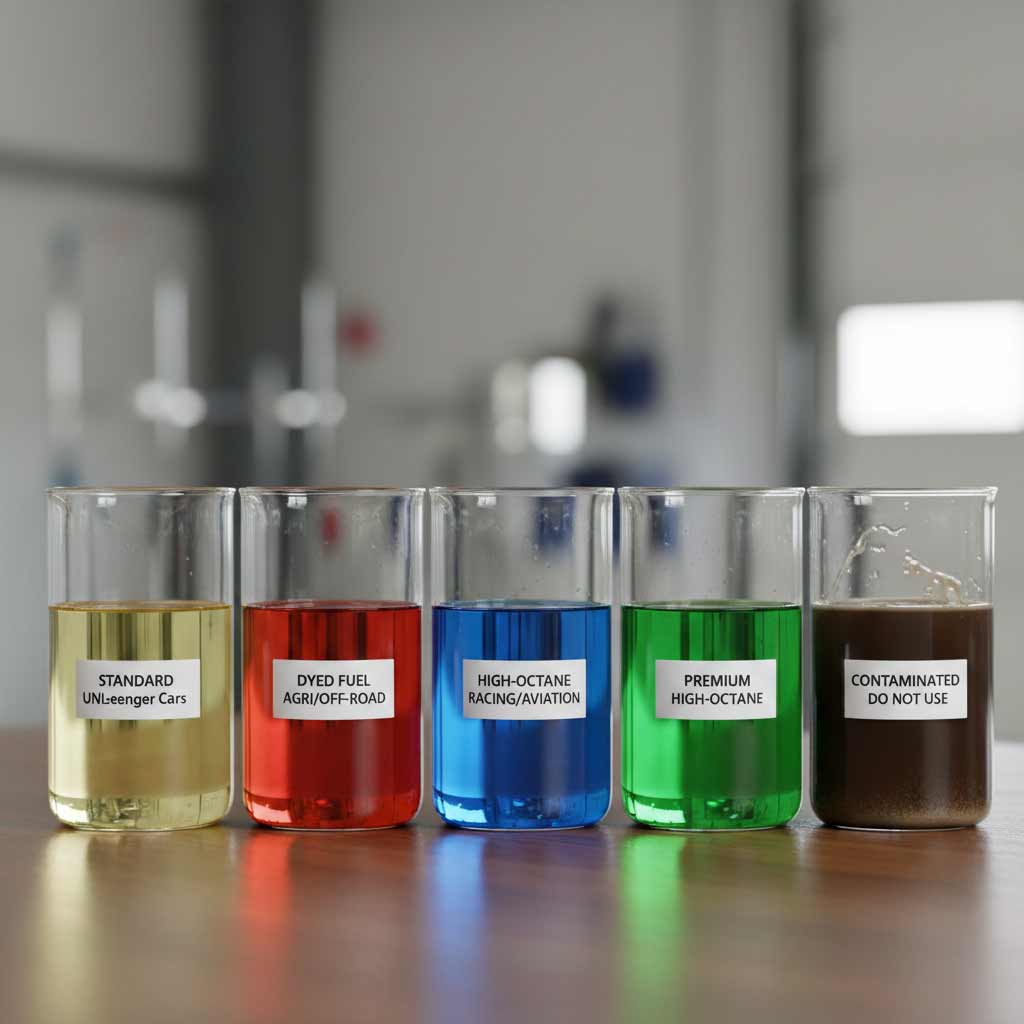
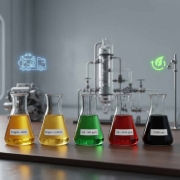
In its purest form, pure petrol is typically clear to pale yellow. If you are at a standard station, you’ll notice that unleaded gasoline usually has a light yellowish or amber tint. It should always be translucent; if gasoline looks cloudy or “milky,” it often indicates water contamination.

Why is some gasoline colored?
Fuel producers use dyes to distinguish between different types of gasoline. This helps prevent tax evasion and ensures that high-performance engines get the right fuel.
-
Red or Pink: This is often “dyed gasoline” used for agricultural or off-road purposes. It is tax-exempt and illegal for use in standard road vehicles.
-
Blue or Purple: Purple fuel or blue tints are usually reserved for high-octane racing fuels or aviation gasoline (Avgas).
-
Green: In many regions, high-octane or “premium” fuels are dyed green to separate them from regular grades.
What does “bad” gasoline look like?
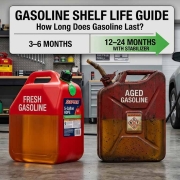
If your fuel looks dark brown or black, it has likely oxidized or contains heavy contaminants like bitumen or other petroleum products. Very dark fuel is a sign of “stale” gas that can clog your injectors.
Quick Reference Guide
| Color | Meaning / Type | Common Use |
| Clear / Bright Yellow | Standard Unleaded | Passenger Cars |
| Pink / Red | Dyed / Untaxed | Farming / Construction |
| Blue / Purple | High Octane / Racing | Racing / Aviation |
| Dark / Black | Contaminated / Old | Do not use |
To learn more about the gasoline production process or other petroleum products, check out our articles related to gasoline.






Thanks for the great article! Does the change in gasoline color over time in the tank indicate a drop in its octane rating?
Thanks for asking, Ji-hoon! Yes, as gas darkens due to oxidation, its chemical stability decreases, which can effectively lower its octane performance and cause engine knocking.