
High-Quality vs. Low-Quality Bitumen And Quality Issues With Bitumen

Bitumen, a vital component in various industries, especially road construction and waterproofing, isn’t always created equal. The choice between high-quality bitumen and low-quality bitumen can significantly impact your project’s durability, performance, and long-term costs. This article delves into these critical differences, explores the potential quality issues with bitumen, and highlights the importance of partnering with a reputable supplier.
Quality Bitumen vs. Poor Quality Bitumen: A Comparative Look
To make a smarter choice, it’s essential to understand the distinguishing characteristics of superior and inferior products. The table below clearly displays the key differences.
| Feature | High-Quality Bitumen | Poor-Quality Bitumen |
| Raw Material Source | Superior crude oil, consistent processing | Mixed or inferior crude oil, inconsistent processing, presence of contaminants (e.g., used engine oil) |
| Penetration Value | Consistent, within specified range | Inconsistent, often too high (too soft) or too low (too hard) |
| Ductility (Flexibility) | High (Stretches well before breaking) | Low or negligible (Cracks easily) |
| Adhesion | Superior bonding strength | Weak adhesion, prone to stripping and flaking |
| Softening Point | Higher, within specified range (Resistant to rutting/softening in heat) | Lower, inconsistent (Softens excessively in summer) |
| Durability / Useful Life of bitumen | Approx. 15-20 years (under optimal conditions) | Approx. 3-7 years (often requires premature repair) |
| Water Permeability | Impermeable (Excellent for waterproofing) | Potential for partial permeability |
Investing in Durability: Understanding Quality Bitumen
Quality bitumen is a product derived from superior raw materials and manufactured through standardized processes.
Key Characteristics of Quality Bitumen:
-
Exceptional Durability and Longevity: High-quality bitumen boasts remarkable resistance to environmental factors like heat, cold, moisture, and UV radiation. This ensures your asphalt surface or waterproofing solution enjoys an extended lifespan. The approximate useful life of quality bitumen in typical asphalt pavement is around 15 to 20 years before major rehabilitation is needed.
-
Optimal Flexibility: Premium bitumen possesses sufficient flexibility, allowing it to withstand stresses from temperature fluctuations and ground movement without cracking.
-
Superior Adhesion: The excellent adhesive properties of quality bitumen guarantee a strong bond between asphalt or insulation layers and the underlying surface, preventing detachment and stripping.
-
Water and Moisture Resistance: Quality bitumen is entirely impermeable to water, making it an ideal choice for waterproofing surfaces exposed to moisture.
-
Consistent Performance Across Temperatures: This type of bitumen maintains its physical properties over a wide range of temperatures. It won’t become overly soft in hot weather or excessively brittle in cold conditions.
The Hidden Costs of Inferior Bitumen: What You Need to Know
Conversely, inferior bitumen often comes with a lower price tag. However, this initial saving can lead to hidden costs and significant quality issues of bitumen down the line.
Characteristics of Poor-Quality Bitumen:
-
Poor Durability and Premature Deterioration: This bitumen rapidly succumbs to environmental factors, quickly developing cracks, flaking, and general wear and tear. The approximate useful life of poor-quality bitumen in pavement can be significantly shorter, often ranging from 3 to 7 years, leading to immediate and costly repairs.
-
Limited Flexibility: Inferior bitumen is typically brittle and cannot effectively withstand thermal and mechanical stresses, leading to early cracking.
-
Weak Adhesion: Inadequate adhesion results in the separation of asphalt layers and a reduction in structural integrity.
-
Water Permeability: Low-quality bitumen might not be entirely waterproof, allowing water penetration and damage to the underlying structure.
-
Unsatisfactory Performance Across Temperatures: This bitumen becomes excessively soft at high temperatures and very brittle at low temperatures, both contributing to structural vulnerability.
Detecting Poor-Quality Bitumen: External and Laboratory Analysis
Addressing the quality issues with bitumen requires a multi-step approach:
External Characteristics and Field Evaluations:
-
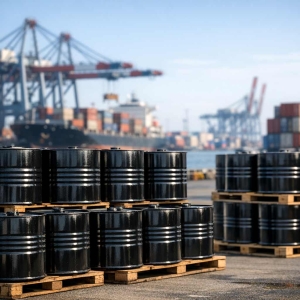
Smell and Consistency: Poor quality bitumen, especially that cut back with heavy oils or solvents, may have an unusual or strong petroleum odor that differs from standard asphalt smell. In the drum, a soft or extremely hard consistency that does not match the product grade is a warning sign.
-
Homogeneity: Look for separation or non-uniform consistency within a sample (though this is harder to spot once mixed into asphalt).
-
Adhesion Test (Simple Field Test): A simple touch or manual test might show poor tackiness or excessive stickiness compared to a known quality sample.
Laboratory Analysis (The Definitive Method):
Laboratory testing is the most reliable way to detect poor quality. The key tests reveal the product’s actual physical properties:
-
Penetration Test: Measures the hardness/consistency of the bitumen. Poor quality might show an extremely high (too soft) or low (too hard) penetration value for the specified grade.
-
Softening Point Test: Measures the temperature at which the bitumen softens. A significantly low softening point indicates the bitumen will be susceptible to bleeding and rutting in hot weather.
-
Ductility Test: Measures the stretchiness (flexibility). Low ductility is a strong indicator of low quality, leading to premature cracking.
-
Specific Gravity and Flash Point: Deviations from standard values can indicate the presence of volatile contaminants or improper blending, a common cause of quality issues of bitumen.
-
Thin Film Oven Test (TFOT) / Rolling Thin Film Oven Test (RTFOT): These aging tests simulate the effects of mixing and service life. Poor quality bitumen will show a drastically high change in its properties (mass loss, penetration, etc.), indicating rapid aging.
Factors That Reduce the Useful Life of Bitumen and Asphalt
While the initial quality of the bitumen is paramount, several external factors can accelerate the deterioration and shorten the useful life of the final asphalt structure, highlighting recurring quality issues with bitumen performance in the field:
-
Heavy Traffic and Overloading: Excessive vehicle load and high traffic volume increase mechanical stress, leading to premature fatigue cracking and rutting.
-
Inadequate Drainage: Water penetration into the base layers weakens the pavement structure, leading to subgrade failure and accelerated surface distress.
-
Temperature Extremes: Constant exposure to high heat (causing softening and rutting) and extreme cold (causing thermal cracking) stresses the binder beyond its limits.
-
Poor Construction Practices: Incorrect aggregate grading, insufficient compaction, or improper mixing temperatures during the asphalt laying process compromise the material’s strength and seal.
-
UV Radiation and Oxidation: Sunlight and oxygen cause the bitumen to harden and become brittle (aging), reducing its flexibility and leading to surface cracks.
Best and Worst Bitumen Types
The designation of “best” and “worst” depends on the application, but generally, based on performance:
-
The best type of bitumen for high-performance applications like heavy-traffic roads or extreme climate conditions is Polymer Modified Bitumen (PMB). PMB offers superior elasticity, reduced temperature susceptibility, and significantly longer fatigue life compared to standard types, directly addressing common quality issues of bitumen.
-
The worst type of bitumen is generally Contaminated or Adulterated Bitumen (often referred to as ‘Cut-Back’ or ‘Fluxed’ bitumen where the cutting agents are waste oils), which fails to meet basic international standards (e.g., specific Penetration Grade requirements) and breaks down quickly.
Why a Reputable Bitumen Supplier is Crucial for Project Success
Selecting a reputable bitumen supplier is paramount. A trustworthy supplying company produces and delivers bitumen in strict adherence to current international standards and technical specifications. These companies typically feature:
-
Rigorous Quality Control: Strict quality control processes to ensure the purity and effectiveness of the product, mitigating quality issues with bitumen.
-
Well-Equipped Laboratories: For conducting necessary tests and verifying bitumen properties.
-
Proven Track Record: A history of satisfied customers and experience demonstrating a commitment to quality.
-
Technical Support: Providing consultation and guidance on the correct selection and application of bitumen.
Universal Trades: Your Trusted Source for Premium Bitumen Solutions
Recognizing the crucial role of quality bitumen in your projects, Universal Trades is proud to introduce itself as a leading and reputable supplier of bitumen. Leveraging cutting-edge knowledge, advanced technologies, and modern refineries, we produce and supply bitumen that meets the highest quality standards. Our unwavering commitment to quality ensures the durability and stability of your projects.
For more information and expert consultation on quality bitumen supply, please contact our specialists at Universal Trades. We are ready to offer the best solutions for your specific needs
Global Petroleum Trade Solutions | Universal Trades
As a reputable international petroleum trading enterprise, Universal Trades specializes in the reliable procurement, export, and supply chain management of high-grade petroleum commodities, refined fuels, and industrial feedstocks designed to meet rigorous global standards.







I found your blog website on google and check just a few of your early posts. Continue to keep up the excellent operate. I simply further up your RSS feed to my MSN News Reader. Searching for forward to reading extra from you in a while!…
Will using low-quality bitumen (due to its lower price) ultimately lead to higher costs?
Yes, using low-quality bitumen will definitively lead to higher costs in the long run. This is because it offers less resistance to heat, cold, and moisture, resulting in premature deterioration, cracking, and the need for frequent repairs. High-quality bitumen, due to its superior durability and longevity, extends the project’s service life and drastically reduces maintenance and replacement expenses.
What does the Softening Point Test measure, and how does it predict bitumen’s performance in high temperatures?
The Softening Point is the temperature at which bitumen begins to soften. A higher softening point (in high-quality bitumen) indicates better resistance to rutting and deformation in hot weather, which is crucial for asphalt pavements.
Excellent comparison! You mentioned that Polymer Modified Bitumen (PMB) is the best type for high-traffic areas. I’d like to add that the quality of the base bitumen is just as important as the polymer itself. If the base binder has poor Ductility, even the best SBS polymers won’t prevent cracking in the long run. Have you noticed a shift in market demand towards specific grades like VG-40 to combat these quality issues in hotter climates?
Hello Dr. Fischer, thank you for your valuable insight. You are absolutely right; the base binder’s compatibility with the polymer is the foundation of a durable PMB. In recent years, we have seen a significant shift from traditional Penetration Grades to Viscosity Grade (VG-40), especially for heavy-duty airport runways and desert highways, as it offers much better resistance to permanent deformation compared to low-quality alternatives.