
What is Biodiesel? A Comprehensive Introduction to the Green Fuel of the Future
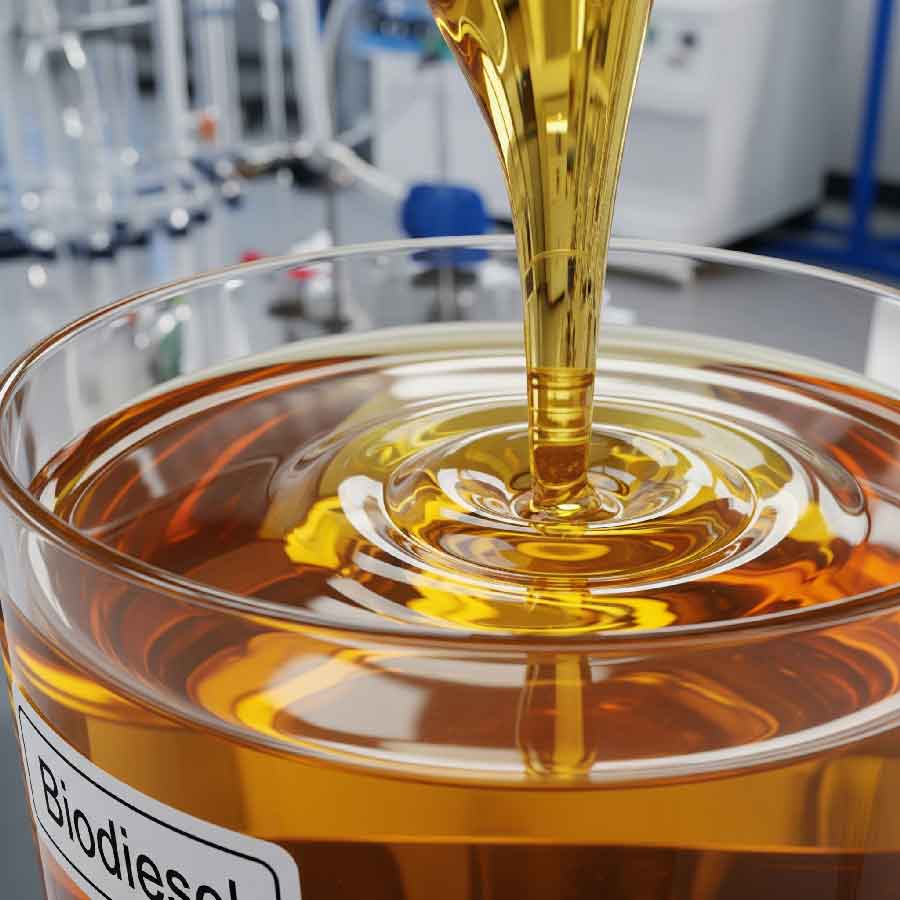
In today’s world, growing concerns about climate change and dwindling fossil fuel resources have highlighted the critical importance of finding sustainable and environmentally friendly alternatives. Biodiesel, as a renewable and clean fuel, stands as one of the most promising solutions for achieving a greener and more sustainable future. But what exactly is biodiesel, how is it produced, and what are its advantages?
How is Biodiesel Produced? A Step-by-Step Process
Biodiesel is a fuel derived from biological sources, primarily vegetable oils (such as soybean, rapeseed, sunflower, palm oil) and animal fats. The main production process is called transesterification. In this reaction, the oil or fat reacts with an alcohol (typically methanol or ethanol) in the presence of a catalyst (usually a base or acid). This reaction yields mono-alkyl esters (which is biodiesel) and glycerin as a co-product.
The process generally includes the following steps:
- Raw Material Preparation: The crude oil or fat is refined to remove impurities and water.
- Transesterification Reaction: The refined raw material is mixed with alcohol and catalyst in a reactor and heated.
- Glycerin Separation: After the reaction is complete, biodiesel and glycerin are separated. Glycerin can be used as a valuable product in the pharmaceutical, cosmetic, and personal care industries.
- Biodiesel Washing and Purification: The produced biodiesel is washed with water or absorbents to remove excess catalyst, alcohol, and soaps formed during the reaction.
- Drying: The pure, washed biodiesel is dried to minimize its moisture content.
- Filtration: Finally, the biodiesel is filtered to remove suspended particles, making it ready for use.
Benefits of Using Biodiesel: Why Choose Biodiesel?
Using biodiesel offers significant advantages over fossil fuels, making it an attractive option for the future:
- Reduced Emissions: Biodiesel combustion results in lower emissions of greenhouse gases like carbon dioxide (CO2) and pollutants such as particulate matter, carbon monoxide (CO), and unburned hydrocarbons. This reduction in pollutants helps improve air quality and mitigate the effects of climate change.
- Renewability: Biodiesel is sourced from biological and agricultural resources that can be renewed and replanted, unlike fossil fuels, which are finite resources.
- Agricultural Support: Biodiesel production can increase demand for agricultural products and create employment opportunities in the agricultural sector.
- Higher Safety: Biodiesel has a higher flash point than conventional diesel, which reduces the risk of fire and explosion.
- Biodegradability: Biodiesel decomposes rapidly in the environment, causing less harm if spills occur.
- Better Lubricity: Biodiesel has superior lubricating properties compared to conventional diesel, which can extend engine life.
Applications of Biodiesel: From Vehicles to Various Industries
Biodiesel can be used in diesel engines without requiring significant engine modifications. This fuel is commonly used in blends with conventional diesel (such as B5 and B20, containing 5% and 20% biodiesel respectively) or even as pure B100.
Biodiesel applications include:
- Transportation: Passenger cars, buses, trucks, trains, and even some ships can use biodiesel.
- Generators: Power generators in homes, industries, and farms can run on biodiesel.
- Agricultural Equipment: Tractors and other agricultural machinery can use biodiesel as fuel.
- Industrial Machinery: Some heavy machinery in various industries are also capable of using biodiesel.
Biodiesel in Iran and Globally: Current Status and Future Outlook
Globally, many countries have adopted programs and policies to promote the production and use of biodiesel. Countries like the United States, Germany, France, and Brazil are pioneers in biodiesel production and consumption, with this fuel playing a significant role in their energy portfolios.
In Iran, there is potential for biodiesel production given its abundant agricultural resources (such as waste cooking oils and certain oilseeds) and efforts to reduce reliance on fossil fuels. Although biodiesel production and consumption in Iran are still in their early stages, considering its environmental and economic benefits, a promising outlook for the development of this industry in the country is foreseen. Government support, investment in production technologies, and training for farmers and industrialists can significantly contribute to the growth of this clean fuel in Iran.
Biodiesel vs. Conventional Diesel: A Comprehensive Comparison
Conclusion
Biodiesel is more than just an alternative fuel; it’s a vital step towards energy sustainability and protecting our planet. With increasing public awareness, government support, and technological advancements, biodiesel can play a key role in reducing reliance on fossil fuels and building a cleaner, healthier future for generations to come. Are you optimistic about the future of renewable fuels like biodiesel?







What are the most significant advantages of using biodiesel compared to conventional diesel?
Thank you for highlighting this crucial aspect! The use of biodiesel offers significant advantages:
Reduced Emissions: Biodiesel combustion leads to lower emissions of greenhouse gases (CO2) and pollutants such as particulate matter, carbon monoxide, and unburned hydrocarbons, which helps improve air quality.
Renewability: It’s derived from biological sources that can be replanted, unlike fossil fuels which have limited reserves.
Higher Safety: Biodiesel has a higher flash point than conventional diesel, reducing the risk of fire.
Biodegradability: It quickly decomposes in the environment, causing less harm in case of a spill.
Better Lubricity: Biodiesel has higher lubricity than conventional diesel, which can extend engine life.
The article mentions the transesterification process. Is it possible to make Biodiesel from used cooking oil at home or in a small community setting? If so, is the resulting glycerin safe to dispose of?
Yes, small-scale Biodiesel production from Used Cooking Oil (UCO) is technically possible, but safety and purity are key challenges. The resulting glycerin byproduct must be properly purified and neutralized. Raw glycerin is often contaminated with methanol and catalyst, making its direct disposal environmentally hazardous.
Do we need any specific modifications to the engine or fuel system to use biodiesel in regular diesel vehicles?
In common blends mixed with standard diesel, no engine modifications are required. Due to its high lubricity, biodiesel can even help maintain the health of engine components.