
Introduction to Kerosene and Applications of Its Various Grades
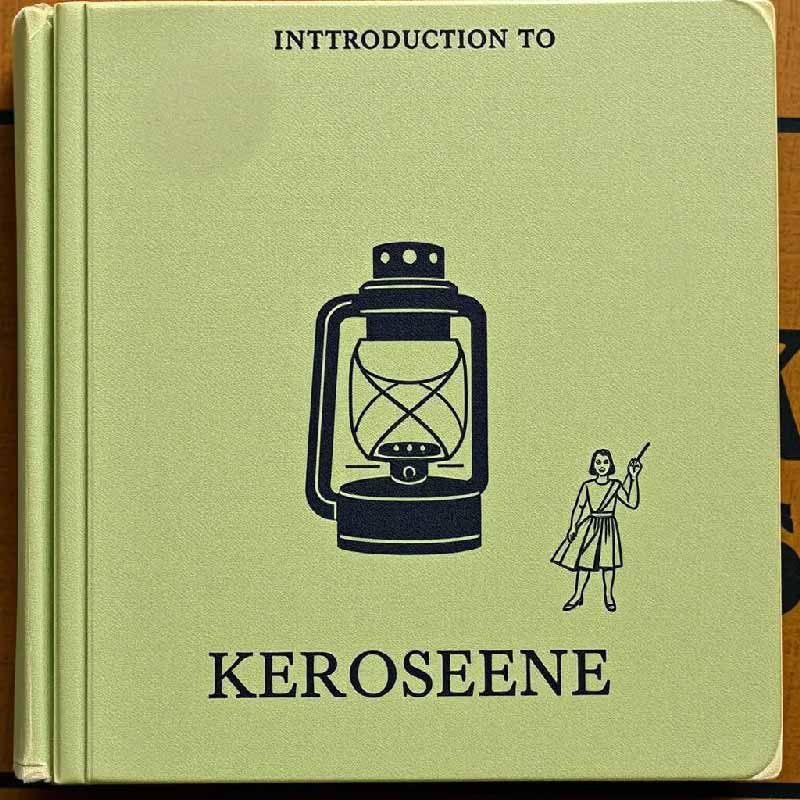
Kerosene is far more than just a relic of the past. From the 9th-century distillation methods of Al-Razi to modern aerospace, this hydrocarbon liquid (C12H26 C15H32) is prized for its high energy density and safety profile.
Fuel Comparison: Kerosene, Gasoline, and Diesel
Understanding the physical properties of these fuels is essential for industrial safety and efficiency.
| Property | Kerosene | Gasoline | Diesel |
| Density (g/cm³) | 0.78 – 0.81 | 0.71 – 0.77 | 0.82 – 0.86 |
| Flash Point (°C) | 37 – 72 | -43 | > 52 |
| Freezing Point (°C) | -47 (Jet A-1) | -40 to -60 | -10 to 20 |
Comparison of kerosene and gasoline: Gasoline is highly volatile and flammable at room temperature, making it dangerous for jet engines. Kerosene’s higher flash point makes it significantly safer.
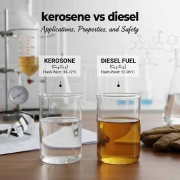
Comparison of kerosene and diesel: While both provide high energy, kerosene has a much lower freezing point, which is why it is preferred for high-altitude aviation where temperatures drop drastically.
Expert Procurement Advice
Looking to source high-quality Kerosene, Diesel, or Gasoline?
Contact our sales team directly: +989917580625
Exploring the Grades: Which Kerosene do you need?
Not all white oil is created equal. Refineries follow strict ASTM International and API standards to produce specific grades.
Jet A-1: The Aviation Standard
The most common grade for commercial aviation outside the US. It is designed to stay liquid at -47°C, ensuring engines don’t stall in the stratosphere.
1-K and 2-K: Household & Industrial Grades
-
1-K Kerosene: Low sulfur (<0.04\%), ideal for indoor heaters and lamps.
-
2-K Kerosene: Higher sulfur, used in industrial machinery with proper ventilation.
Solvent Grades (White Spirit)
Used in the production of paints and degreasers. This is often where Base oil and specialized solvents intersect in the refining process.
Is Kerosene Safe? Toxicity and Skin Contact
While kerosene is a stable fuel, it is a chemical solvent. Prolonged skin contact can cause dermatitis (irritation). It is toxic if swallowed or if vapors are inhaled in unventilated spaces. Always use protective gear when handling petroleum products.
The Production Process: From Crude to Clear Fuel
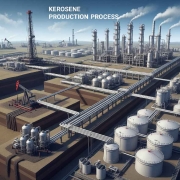
Kerosene is produced via fractional distillation. It sits between LPG (the lightest) and Bitumen (the heaviest). During refining, Sulfur is removed to meet environmental standards, and the resulting cut is often used as a precursor for other Introduction to other petroleum products.
FAQ: Frequently Asked Questions
-
Are kerosene and gasoline the same? No. Gasoline is more volatile for spark-ignition engines, while kerosene is a heavier, safer oil used for compression-ignition or jet turbines.
-
Why is kerosene used in aircraft fuel instead of gasoline? Kerosene has a higher flash point (safety) and a much lower freezing point, preventing fuel from turning into wax at high altitudes.
-
Is kerosene safer than diesel or gasoline? It is safer than gasoline due to its flash point, and similar to diesel, though it performs better in cold weather.





The article explained different types of kerosene based on applications and various standards (like 1-K, 2-K, jet fuel, etc.). If I intend to use kerosene for domestic purposes like heaters or lamps (especially in rural areas or emergencies), or for a specific industrial application requiring a solvent with particular characteristics, how can I ensure I choose the correct type of kerosene that is both safe and effective? Are there specific indications on the packaging or product certificate I should look for?
Your question is critically important, as selecting the correct type of kerosene for specific applications affects both safety and the efficiency and longevity of your equipment. Based on the information in the article, to ensure you choose the right kerosene, you should pay attention to the following:
For Domestic Use (Heaters, Lamps, Stoves):
1-K Grade (ASTM D3699): The article clearly states that Kerosene Grade 1-K is preferred for use in household heaters and stoves due to its much lower sulfur content (less than 0.04 percent by weight). This ensures cleaner combustion, producing less smoke and odor. This is vital for the health of occupants and for equipment maintenance.
BS 2869 Class C1 Standard: In regions adhering to British standards, “Class C1” (or “Premium Kerosene”) is used for flueless heaters and lamps, similar to 1-K, emphasizing clean combustion.
Important Note: Strictly avoid using Grade 2-K for indoor use without proper ventilation, as its higher sulfur content (0.3 percent by weight) can lead to more pollutants and respiratory issues.
For Industrial Applications (as a Solvent):
Solvent Grades: The article mentions that some kerosene grades are used as solvents for cleaning, degreasing, and paint thinning, such as “Solvent 402” or “white spirit.”
Required Physical and Chemical Properties: In these cases, you should look for specific physical and chemical properties such as boiling point range, flash point, and miscibility with other substances. For instance, if you need a solvent with a high flash point, you should seek grades that possess this characteristic.
Specialized Odorless Grades: In certain sensitive industries (like food or pharmaceuticals) or where kerosene odor is undesirable, specialized “Odorless Kerosene” grades are used.
How to Ensure Correct Selection:
Packaging and Labeling: Reputable manufacturers typically indicate the kerosene standard or grade on the packaging or product label (e.g., “Kerosene 1-K” or “EN 590”).
Certificate of Analysis (COA): For bulk purchases or sensitive industrial applications, always request a Certificate of Analysis (COA) from the supplier. This certificate includes all precise technical specifications, such as sulfur content, flash point, freezing point, etc., which will help you verify that the product meets your requirements.
Consult the Supplier: If in doubt, consult a reputable product supplier and explain your exact application so they can recommend the most suitable grade.
By following these guidelines, you can ensure that your chosen kerosene is both safe and provides the highest efficiency for your intended application.
How do changes in “seasonal demand” (such as increased consumption for heating in winter) and “geopolitical events” (like conflicts or oil sanctions) impact the supply and pricing of kerosene in international markets? And how can kerosene suppliers and traders manage these fluctuations and ensure supply stability under various conditions?
Changes in seasonal demand and geopolitical events are two highly significant and influential factors affecting the supply and pricing of kerosene in international markets. Kerosene suppliers and traders must continuously monitor and analyze these factors to maintain supply stability and optimize pricing.
Impact of Seasonal Demand on Kerosene Supply and Pricing:
Increased Demand in Cold Seasons:
Heating Applications: In winter (especially in the Northern Hemisphere), demand for kerosene as heating fuel (in stoves and furnaces) increases sharply. This surge in demand typically leads to price increases.
Refinery Production Mix Adjustment: Refineries may increase kerosene production to meet this demand, reducing the output of other products (e.g., gasoline in winter). This shift in production mix can also impact the supply and pricing of other petroleum products.
Stable Jet Fuel Demand:
Unlike heating consumption, demand for jet fuel (a type of kerosene) is not primarily influenced by specific seasons and is more dependent on air travel volume and global economic growth. However, peak summer travel and holiday seasons can create minor fluctuations in jet fuel demand.
Managing Seasonal Fluctuations: Traders typically manage pricing and ensure supply stability by stockpiling (warehousing) during low-demand seasons and releasing it during peak seasons. Additionally, utilizing futures contracts can help hedge against seasonal price volatility.
Impact of Geopolitical Events on Kerosene Supply and Pricing:
Supply Disruptions:
Conflicts and Unrest: Wars, regional conflicts, or political instability in oil-producing regions (like the Middle East) can directly disrupt crude oil production, transportation, and refining. Such disruptions affect the kerosene supply chain, leading to reduced supply and sharp price increases.
Sanctions: Imposing sanctions against oil or petroleum product-producing countries can limit global supply and directly impact kerosene prices.
Shifting Trade Routes:
Geopolitical events can lead to changes in shipping routes (e.g., restrictions in strategic straits), which increase transportation costs and ultimately result in higher final kerosene prices.
Psychological Market Impact:
Even the threat of geopolitical events can lead to increased speculation and price hikes in global markets due to fear of supply shortages or increased precautionary demand.
Managing Geopolitical Events: To counter these risks, suppliers and traders employ strategies such as diversifying supply sources (avoiding reliance on a single region or country), establishing strategic reserves, and hedging through financial instruments (like forwards and options). Continuous analysis of global political and economic information is also crucial for anticipating and reacting quickly to these events.
The article mentions the historical significance of Kerosene for lighting before electricity. Why was Kerosene considered superior to the previous lighting oils? Was it the burn quality or the cost resulting from the new distillation methods?
Both factors were crucial, but burn quality was the key differentiator. The new fractional distillation methods (refined by Razi and later industrialized) produced a much purer, cleaner-burning fuel than animal fats or earlier oils. This resulted in less soot, brighter light, and a less objectionable odor, making it a superior and safer choice, which was then made widely affordable.
I could not refrain from commenting. Well written!
“We truly appreciate your feedback! It’s great to know the information was valuable to you. Thank you for taking the time to share your thoughts.”
Why isn’t aviation gasoline (Avgas) used in jet aircraft, and why is kerosene-based fuel (Jet A-1) mandatory?
There are two main reasons: safety and energy density. Kerosene has a higher flash point than gasoline, making it less likely to ignite accidentally during a leak or minor incident. Additionally, jet engines require fuel with high energy density for long-range efficiency, where kerosene outperforms gasoline.
A great technical overview. As of 2026, the aviation industry is rapidly transitioning towards SAF (Sustainable Aviation Fuel). How does the traditional Jet A-1 compare to these new bio-kerosenes in terms of Energy Density and “Drop-in” compatibility? Can your supply chain handle blended Jet A-1 that meets the new 2026 carbon-reduction mandates?
Hello Dr. Rossi! That is the defining question of our decade. Traditional Jet A-1 has an energy density of approximately $43.1 \text{ MJ/kg}$. Current SAFs are designed to be “Drop-in,” meaning they mimic this density and the chemical footprint of kerosene almost perfectly. At Universal Trades, we are already adapting our logistics to supply SAF blends that comply with international sustainability standards, ensuring that our partners in the aviation sector can meet their net-zero targets without modifying their existing aircraft engines.