
Gasoline Price Prediction 2026: Navigating Global Uncertainty
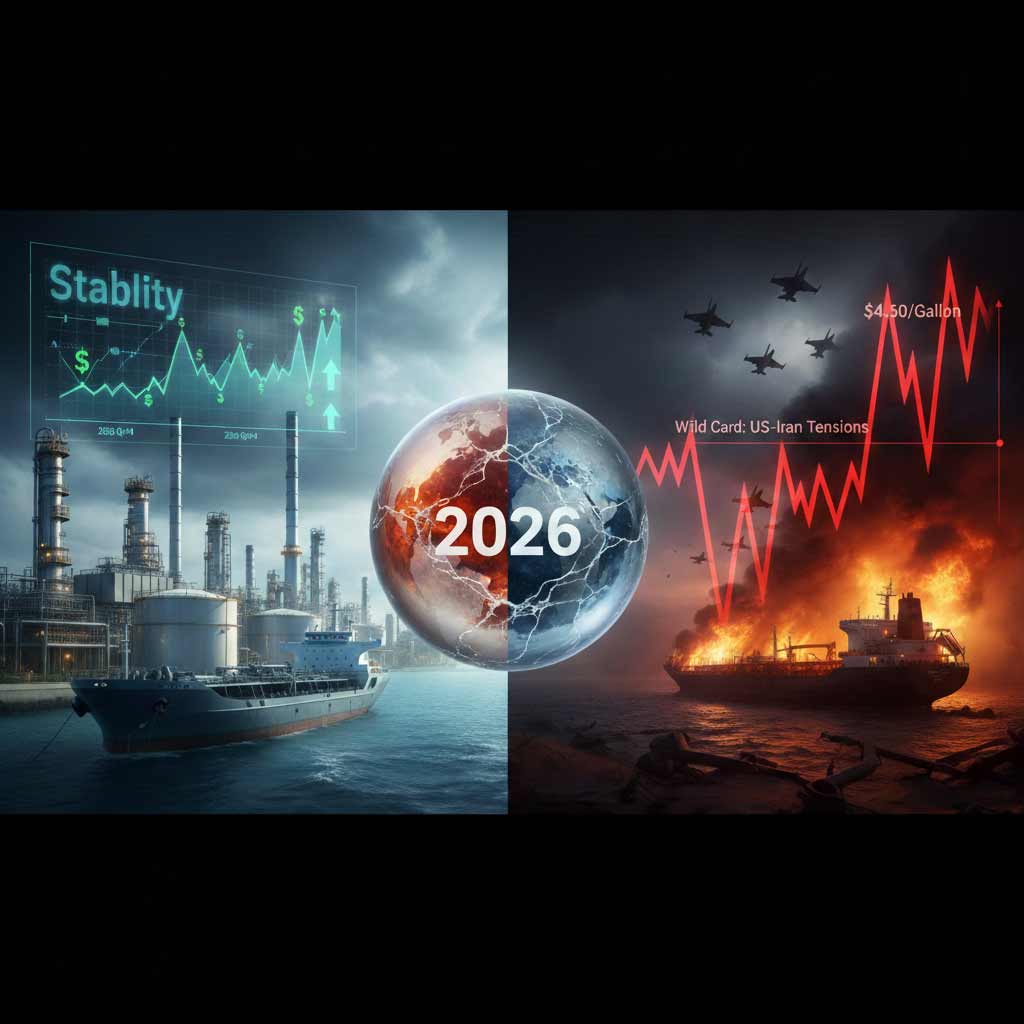
As we move through 2026, the energy market continues to be a battlefield of supply dynamics and geopolitical tension. For businesses and consumers alike, understanding the trajectory of fuel costs is no longer just about economics—it is about strategic survival.
This comprehensive guide breaks down the gasoline price prediction for 2026 and beyond, examining the factors that could send ripples through the Introduction of petroleum products market.
The 2026 Forecast: A Quarterly Breakdown
Current data from the Energy Information Administration (EIA) and global market analysts suggest that while crude production from the largest oil producing countries2 2026 remains high, refining constraints are keeping retail prices volatile.
Below is the projected average retail price for regular gasoline (USD per gallon) throughout the year:
| Time Period | Predicted Average Price (Per Gallon) | Market Condition |
| 2026 Q1 | $2.92 – $3.05 | High seasonal inventories; lower crude costs. |
| 2026 Q2 | $3.18 – $3.32 | Seasonal demand spike; refinery maintenance. |
| 2026 Q3 | $3.25 – $3.40 | Peak travel season; hurricane risk premium. |
| 2026 Q4 | $2.85 – $2.98 | Transition to winter-blend; end of summer demand. |
| 2027 Average | **$2.95** | Supply glut continues to weigh on prices. |
| 2028 Average | $3.10 | Inflationary pressures offset efficiency gains. |
| 2030 Average | $3.45 | Peak demand plateau; high carbon-tax impacts. |
The “Wild Card”: US-Iran Geopolitical Tensions
While standard economic models predict a steady market, the threat of conflict in the Middle East remains the most significant risk to these forecasts. As of today, February 6, 2026, escalating rhetoric between the United States and Iran has put the global energy sector on high alert.
The possibility of military action near the Strait of Hormuz—a primary artery for the world’s oil—could lead to an immediate and sharp increase in the price of all energy commodities. This includes not just gasoline, but also high-demand fuels like diesel and kerosene. Analysts warn that even a minor disruption in this region could send gasoline prices well above $4.50 per gallon almost overnight.
Key Factors Influencing the Market
-
Spare Capacity: The influence of countries with the largest oil reserves 2026 like Saudi Arabia and Kuwait remains critical in balancing the market when other regions face disruptions.
-
Refinery Margins: The efficiency of the top gasoline producing countries dictates the “crack spread”—the difference between crude prices and retail fuel prices.
-
Industrial Byproducts: Increased refining for gasoline also impacts the supply of sulfur and other essential industrial chemicals.
Conclusion:
A Landscape Between Stability and Turbulence The year 2026 stands as a pivotal moment for the petroleum products market. While statistical data suggests a relative balance between supply and demand, the looming shadow of geopolitical tensions between the U.S. and Iran remains the primary catalyst for potential price shocks. For industry stakeholders, the key to success lies in strategic flexibility and a vigilant eye on real-time developments in the Strait of Hormuz and global trading hubs. At Universal Trades, we remain committed to helping you navigate these uncertainties through precise market intelligence and reliable supply solutions.





Great insights on the 2026 outlook. I’d like to add that the Crack Spread (the difference between crude oil and gasoline prices) is expected to stay volatile due to new refinery startups in the Middle East. It’s also important for buyers to monitor the Naphtha market, as it’s the primary feedstock. If naphtha prices spike due to petrochemical demand, gasoline prices in late 2026 might exceed your current projections.
Excellent point, Jonathan! The correlation between naphtha and gasoline is often overlooked by casual observers. At Universal Trades, we are closely monitoring the expansion of refineries in Asia and the Middle East, which might help cushion the crack spread volatility. However, as you noted, the tug-of-war for feedstock between the fuel and plastics industries remains a major “wild card” for the 2027-2028 period.