
What Is White Gasoline? Uses, Safety, and Key Differences
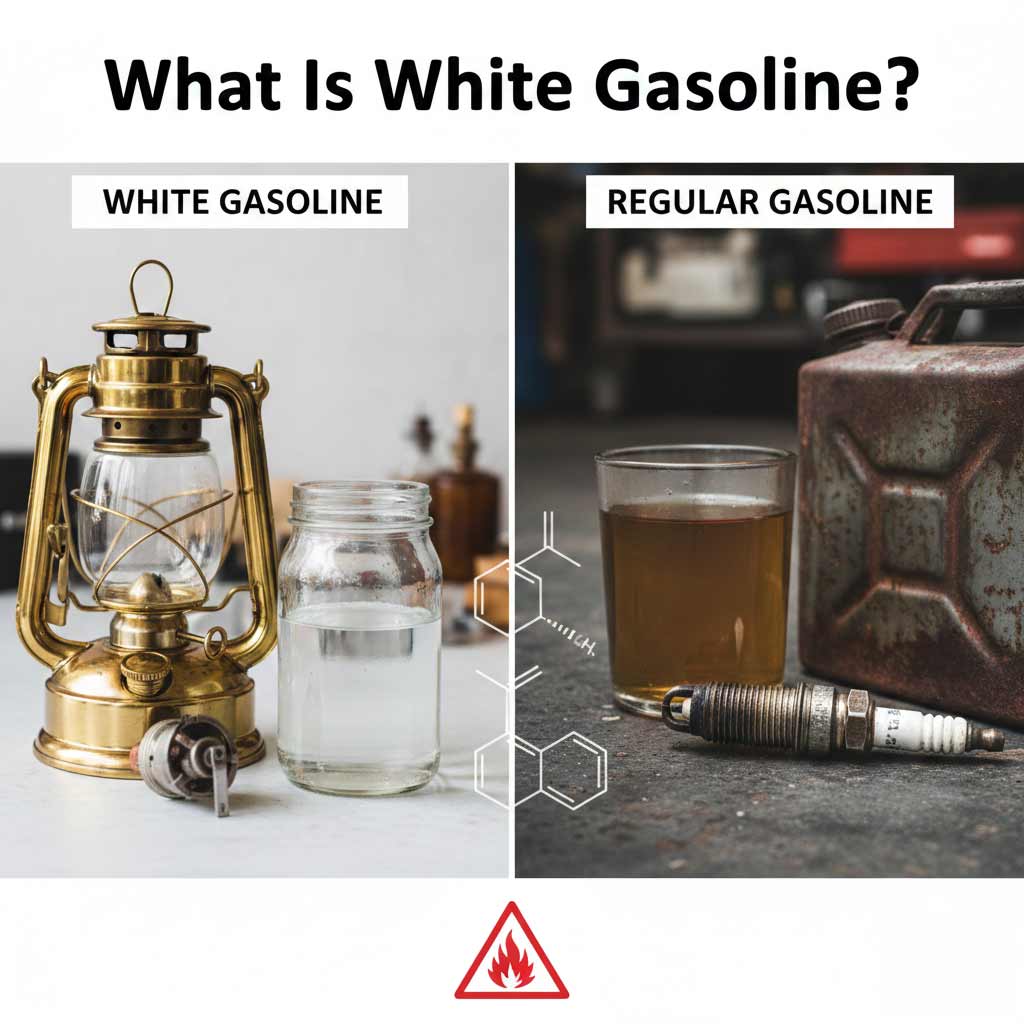
White gasoline, often referred to as Naptha or Coleman fuel, is a highly refined liquid fuel derived from petroleum. Unlike the fuel you pump into your car, white gasoline is designed for specific industrial and recreational purposes where cleanliness and stability are paramount.
Understanding White Gasoline
In the world of Petroleum Products, white gasoline stands out because it contains no additives like tetraethyl lead or the detergents found in automotive Gasoline. It is “pure” fuel, which prevents it from clogging small burners or leaving behind the gummy residues common with regular fuel.
Key Differences: White Gasoline vs. Regular Gasoline
While both are combustible, they serve different masters:
-
Additives: Regular fuel contains chemicals to boost octane and clean engines; white gasoline is additive-free.
-
Shelf Life: Because it lacks stabilizers that eventually break down, white gasoline can stay shelf-stable for years.
-
Soot and Odor: It burns much cleaner with significantly less smoke than standard fuel or Kerosene.
Common Uses
-
Camping Gear: Ideally used in pressurized stoves and lanterns.
-
Solvents: Used for cleaning metal parts and thinning certain types of Bitumen or paints.
-
Industrial Feedstock: Often serves as a precursor for producing high-grade Base Oil.
Is White Gasoline the Same as Alcohol?
No. This is a common misconception. While both are clear liquids used as fuel, they are chemically distinct. Alcohol (Ethanol/Methanol) has a lower energy density and can damage certain seals that white gasoline will not.
Safety and Hazards
Working with any Gasoline product requires caution. White gasoline is highly volatile and flammable. It should never be used in indoor heaters unless they are specifically rated for it, as it poses a high risk of carbon monoxide poisoning and fire.







Why do you prefer white gas over gas canisters (butane/propane) in extreme mountain cold?
Gas canisters lose pressure in sub-zero temperatures, resulting in a weak flame. However, white gas in pressurized liquid fuel stoves works perfectly even at -40°C. Also, since it has no additives, my stove’s jet doesn’t clog in the middle of the wilderness, making it more reliable.