
US-China Tensions: The Impact on Global Oil and Petroleum Product Prices
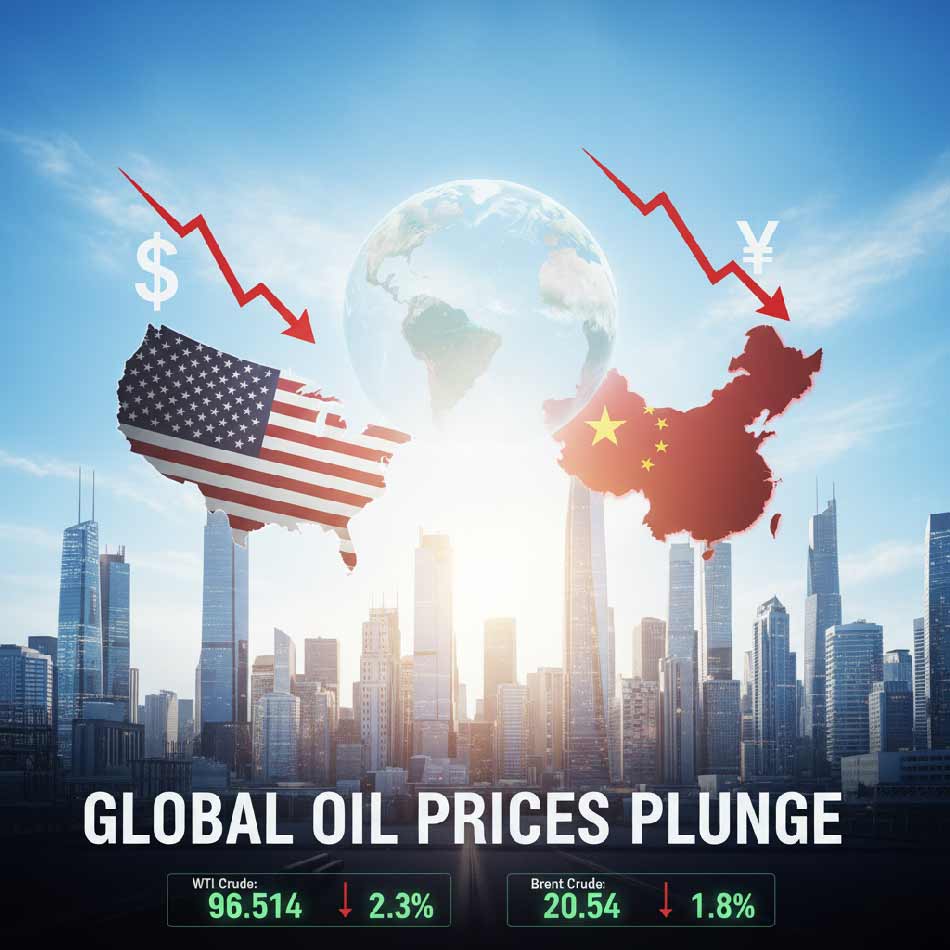
The escalating trade and geopolitical tensions between the United States and the People’s Republic of China, the world’s two largest economies and oil consumers, continue to cast a long shadow over global oil and petroleum product prices. This confrontation primarily affects the demand outlook, leading to significant volatility in the price of “black gold.”
New US Tariffs and the Trade War Revival
The latest round of conflict was triggered by threats from the US government to impose new, heavy tariffs on a wide range of Chinese imports. This move is a response to actions like Beijing’s tightening control over the export of strategic materials, such as rare earth elements, which are vital for advanced technologies. The US has signaled plans to impose tariffs as high as 100% on Chinese goods, in addition to existing ones, with the aim of pressuring China to change its trade practices and protect American industries.
These tariffs, by increasing the cost of Chinese imports for US consumers, are expected to reduce the volume of trade and, more crucially, transmit negative signals to global markets. Historically, heightened trade tensions have fostered risk aversion, leading to a downgrade in global economic growth forecasts.
China’s Retaliation and Escalation
Beijing has adopted a firm stance against these tariff threats, explicitly stating that it is “not afraid” of a trade war and will “resolutely take countermeasures” if the US proceeds with the tariffs. China’s potential retaliation could include:
- Imposing Reciprocal Tariffs: Levying heavy duties on key American exports like agricultural products, aircraft, and automobiles.
- Strategic Export Controls: Further tightening restrictions on the export of rare earth elements and other vital raw materials, leveraging its critical position in global supply chains.
- Non-Tariff Measures: Implementing restrictions on American companies operating within China, or regulatory and standards-related actions.
China’s objective is to defend its interests and signal its capability to retaliate, compelling Washington to return to the negotiating table.
Impact on the Global Oil Market
The confrontation between the two economic giants affects the oil and petroleum product markets primarily through two channels:
- Demand and Economic Growth: The main impact stems from the diminished outlook for global economic growth. A trade war breeds uncertainty, reduces investment, and slows down global GDP growth. As China is the world’s largest crude oil importer, any slowdown in its economy directly translates into a reduced demand for crude oil and refined products (such as gasoline, diesel, base oil and jet fuel). The short-to-medium-term consequence is often a decline in oil prices.
- Geopolitical Risk and Market Sentiment: Heightened tensions increase investor risk aversion, prompting a shift toward safe-haven assets. While geopolitical conflicts in oil-producing regions can spike prices due to supply disruption fears, trade tensions primarily affect demand. In the case of the US-China trade war, the risk to demand typically dominates, exerting downward pressure on prices.
The market for refined products is equally affected, as a recessionary impact from the trade war decreases demand for industrial diesel and jet fuel.
Forward-Looking Influencing Factors in the Oil Industry
Beyond the US-China dispute, several other key factors will influence oil products prices:
- OPEC+ Policies: The alliance’s decisions on production levels and supply cuts remain a crucial tool for managing the supply side of the market.
- Regional Geopolitical Stability: Instability in oil-rich regions, particularly the Middle East, continues to pose the risk of sudden supply shocks and sharp price increases.
- Global Energy Transition: Long-term investments and government shifts toward renewable energy and electric vehicles will structurally depress oil demand over time.
In conclusion, the escalating US-China trade tensions, mainly through tariffs, are likely to dampen oil demand and put downward pressure on prices by increasing global uncertainty. However, the market remains highly complex, influenced by OPEC+ actions and geopolitical flashpoints. The trade conflict remains a major source of volatility until a resolution is found.




I enjoy your writing style really enjoying this website .