
The Persian Gulf’s Crucial Ports: Gateways to Global Trade and Energy
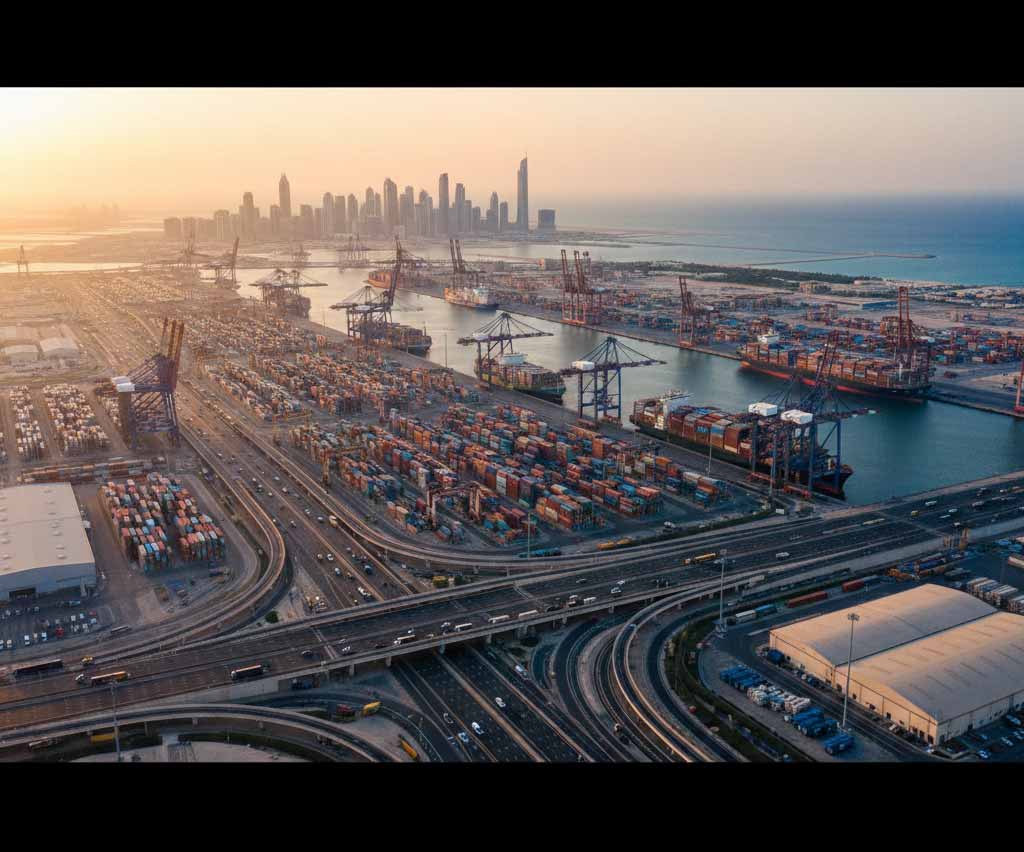
The Persian Gulf, a vital artery for the global economy and the pulsating heart of oil and gas trade, hosts some of the world’s most strategic and busiest ports. These maritime hubs play an indispensable role, not only in energy and petroleum products exports but also as pivotal transshipment centers connecting East and West. Let’s explore the most significant among them:
-
Jebel Ali Port (United Arab Emirates): The largest and busiest port in the Persian Gulf and the ninth largest container port globally. This is the primary port of the UAE, renowned for its vast free trade zone, handling primarily consumer goods, industrial products, and container cargo.
-
Khalifa Port (United Arab Emirates): An advanced deep-water port in Abu Dhabi, leveraging modern technology and high capacity, primarily focusing on container handling and general cargo. It serves as a key complement to Jebel Ali’s operations.
-
Khorfakkan Port (United Arab Emirates): The UAE’s only natural deep-water port on the Gulf of Oman coast, strategically located outside the Strait of Hormuz. It largely specializes in container transshipment and importing goods for regional markets.
-
Mina Rashid (United Arab Emirates): Dubai’s historic port, once its main gateway. Today, it primarily serves as a cruise terminal and handles general and smaller cargo, contributing significantly to tourism.
-
Shahid Rajai Port (Iran): Iran’s largest port, located in Bandar Abbas, and the country’s main international trade gateway. It manages the highest volume of cargo clearance, including containers, general cargo, bulk goods, and petrochemical products.
-
King Abdul Aziz Port (Saudi Arabia): Situated in Dammam, this is Saudi Arabia’s largest port on the Persian Gulf coast. It mainly handles the import and export of industrial goods, foodstuffs, and consumer products for the eastern regions of the kingdom.
-
Jeddah Islamic Port (Saudi Arabia): Saudi Arabia’s largest port by volume and traffic, though located on the Red Sea, not the Persian Gulf. It serves as the country’s primary import gateway, clearing vast quantities of containerized and general cargo.
-
King Fahd Port (Saudi Arabia): A specialized port for oil and petrochemical exports located on the Red Sea coast (Yanbu) and also in Jubail (Persian Gulf coast). These ports are dedicated to the large-scale export of crude oil and refined products.
-
Bandar Abbas (Iran): This city hosts several ports, most notably Shahid Rajai Port, which is Iran’s central maritime hub for handling all types of cargo and containers.
-
Chabahar Port (Iran): Iran’s only oceanic port on the Gulf of Oman, outside the Strait of Hormuz. This strategic port is being developed primarily for transit cargo to Afghanistan and Central Asia, alongside bulk and general cargo handling.
-
Bushehr Port (Iran): One of Iran’s oldest ports in the Persian Gulf, mainly engaged in medium-volume import and export of general cargo, petroleum products, and petrochemicals, and vital for the Bushehr province’s needs.
-
Umm Qasr Port (Iraq): Iraq’s only deep-water and primary port in the Persian Gulf. This vital gateway is crucial for importing containers, general cargo, food supplies, and industrial equipment essential for Iraq’s reconstruction.
-
Basra (Iraq): An area encompassing several smaller ports around Basra city, primarily used for general cargo and logistics, while Umm Qasr remains the main international transit port.
-
Hamad Port (Qatar): Qatar’s largest and most modern port, replacing Doha Port. This state-of-the-art facility primarily focuses on container handling, general cargo, and supporting Qatar’s comprehensive logistical requirements.
-
Salalah Port (Oman): Located on the Arabian Sea, outside the Strait of Hormuz. It is a major transshipment hub for containers, also handling general and project cargo for Oman and the broader region.
-
Mina Al-Ahmadi (Kuwait): One of Kuwait’s most significant oil ports. This facility is predominantly dedicated to the export of Kuwaiti crude oil and refined petroleum products.
-
Mina Zayed (United Arab Emirates): Abu Dhabi’s former main and historic port, now largely repurposed for cruise ships, marine projects, and handling smaller general cargo, with Khalifa Port taking over the primary container role.
The largest port in the Persian Gulf is Jebel Ali Port in the United Arab Emirates. Iran’s main port and central hub is Shahid Rajai Port in Bandar Abbas. The UAE’s main port for container and trade is Jebel Ali Port. Iran’s main oil export terminal is Kharg Island Oil Terminal, which is not on this list but is the country’s most crucial oil terminal.


Why is Iran’s Chabahar Port more attractive to Indian exporters than ports inside the Persian Gulf?
Because Chabahar is Iran’s only oceanic port located outside the Strait of Hormuz. This means large Indian vessels can reach Iran directly without entering the congested waterway of Hormuz. Additionally, Chabahar provides the shortest and cheapest route for Indian goods to reach Afghanistan and Central Asian countries.