
Natural Bitumen: A Comprehensive Guide

Bitumen is a highly viscous, black, and sticky material, a form of petroleum that is used in construction for paving and roofing. While much of the bitumen used today is a byproduct of petroleum refining, there’s also a naturally occurring form called natural bitumen or asphaltite. This article explores the different types of bitumen, the characteristics and formation of natural bitumen, its key locations, and answers some common questions about it.
Types of Bitumen
Bitumen can be categorized into three main types based on its origin:
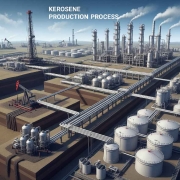
- Refinery Bitumen: The most common type, this is a byproduct of the fractional distillation of crude oil. Crude oil is heated, and its various components, including gasoline, diesel, and kerosene, are separated at different boiling points. Bitumen is the heavy residue left at the bottom.
- Natural Bitumen: This is a naturally occurring material found in geological deposits. It’s not a byproduct of human processing but rather a result of the natural degradation of crude oil over millions of years.
- Cutback Bitumen: This type is created by mixing refinery bitumen with a volatile solvent like white spirit or kerosene. This process reduces its viscosity, making it easier to handle and apply, especially in colder weather. Once applied, the solvent evaporates, and the bitumen hardens.
What is Natural Bitumen?
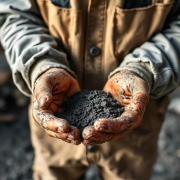
Natural bitumen, also known as asphaltite, gilsonite, or lake asphalt, is a solid or semi-solid form of petroleum that occurs in nature. Unlike the liquid form of crude oil, natural bitumen has undergone significant geological changes, losing its lighter hydrocarbon components and becoming a heavy, carbon-rich substance.
Types of Natural Bitumen
Natural bitumen is generally classified into three main types based on its physical properties:
- Asphaltites: These are hard, brittle, and very high-purity natural bitumens. They have a high melting point and a low sulfur content. Gilsonite, found primarily in Utah, is the most famous example of an asphaltite. It is used in inks, paints, and various industrial applications.
- Grahamites: Similar to asphaltites but with a higher mineral content. They are less pure and have a higher density.
- Wurtzilite: A type of natural bitumen that is waxy and more flexible than asphaltites and grahamites. It is often found in vein deposits.
How Natural Bitumen is Formed
The formation of natural bitumen is a fascinating geological process that begins with crude oil. Here’s a simplified explanation:
- Crude Oil Migration: Crude oil, formed from the remains of ancient marine organisms, migrates from its source rock into porous reservoir rocks.
- Geological Changes: Over millions of years, if this oil is exposed to the atmosphere or interacts with water, it can undergo a process called biodegradation. Microbes consume the lighter, more volatile components of the oil.
- Evaporation and Oxidation: The remaining heavy fractions, rich in asphaltenes and resins, are left behind. Evaporation of the lighter fractions and oxidation due to exposure to the air further solidify the material.
- Formation of Deposits: This process results in the formation of heavy, tar-like substances that eventually become solid deposits of natural bitumen. These deposits can be found in veins, lakes, or mixed with sand and clay to form oil sands.
Where is Natural Bitumen Found?
Natural bitumen is found in various parts of the world, often in regions with a history of petroleum formation. Key locations include:
- Trinidad and Tobago: The Pitch Lake in Trinidad is the largest natural deposit of liquid asphalt in the world. It’s a massive, 100-acre lake of asphalt that has been a major source of natural bitumen for centuries.
- Venezuela: The Orinoco Belt in Venezuela contains massive reserves of extra-heavy crude oil and natural bitumen, often referred to as tar sands.
- Canada: The Athabasca Oil Sands in Alberta are the largest known deposit of bitumen in the world. While it’s often referred to as “oil,” the material is a mixture of bitumen, sand, clay, and water.
- The United States: Gilsonite deposits are predominantly found in the Uinta Basin of Utah and Colorado. Other deposits are also located in Oklahoma and California.
- Iran: There are significant deposits of natural bitumen in Iran, particularly in the western and southwestern regions.
Source: European Bitumen Producers Association
Frequently Asked Questions (FAQ)
Q: Is natural bitumen the same as asphalt? A: The terms are often used interchangeably, but there’s a distinction. Bitumen is the binder, the sticky substance itself. Asphalt is the mixture of bitumen and mineral aggregates (like sand and gravel) used for paving roads. So, bitumen is an ingredient in asphalt.
Q: What are the primary uses of natural bitumen? A: While refinery bitumen is primarily used for paving, natural bitumen has more diverse applications. Due to its high purity and unique properties, it’s used in specialized products like:
- Inks and paints
- Drilling fluids for the oil and gas industry
- Chemical and metallurgical applications
- Waterproofing and sealing products
Q: Is natural bitumen a renewable resource? A: No, natural bitumen is a non-renewable resource. It’s formed over millions of years through geological processes, and its formation is not something that can be replicated or replenished on a human timescale.
Q: Why is natural bitumen more expensive than refinery bitumen? A: The extraction and processing of natural bitumen can be more complex and costly than refining crude oil. It often requires specialized mining operations rather than standard oil well drilling. Its unique properties also make it a premium product for niche applications.



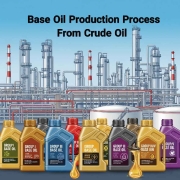


What is the formation process of natural bitumen (asphaltite) compared to refined bitumen?
Refined bitumen is an industrial by-product obtained by heating and distilling crude oil in refineries. In contrast, natural bitumen is the result of a long-term geological process. This process involves the exposure of migrated crude oil to biodegradation (by microbes), evaporation of lighter components, and oxidation due to contact with air or water, eventually leading to the formation of solid, heavy, and carbon-rich deposits.
Does using natural bitumen (Gilsonite) in road asphalt increase the road’s lifespan in tropical regions?
Yes, due to its high softening point and purity, natural bitumen increases the stiffness of the asphalt. This significantly improves the road’s resistance to permanent deformation and “rutting” under high temperatures and heavy traffic loads.