
Kerosene vs. Jet Fuel: Are They Truly Interchangeable?

In the world of Petroleum Products, the terms “Kerosene” and “Jet Fuel” are often confused. While they share a common origin, the chemical refinement and performance expectations set them worlds apart.
Are Kerosene and Jet Fuel the Same?
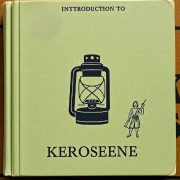
Technically, jet fuel is a highly refined grade of kerosene.1 While standard kerosene is suitable for heating and lamps, it lacks the necessary additives to prevent freezing and corrosion in jet engines. If you are new to this topic, read our Introduction to Kerosene for a baseline understanding.
Why SpaceX and Aviation Rely on Kerosene
Aviation engines require fuels that are energy-dense and stable. SpaceX utilizes RP-1, a “Rocket-Grade” kerosene, because it provides immense thrust without the volatility of Gasoline or the storage difficulties of cryogenic fuels.
Visual and Physical Differences
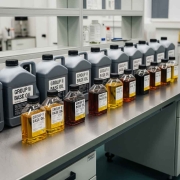
Standard kerosene may have a slight yellowish tint, whereas Jet A-1 must be water-white and crystal clear. The most critical difference is the Freezing Point; jet fuel stays liquid at -47°C, while regular kerosene would turn into a waxy gel, potentially causing a catastrophic engine failure at high altitudes.
Technical Comparison Table
| Feature | Standard Kerosene | Jet Fuel (Jet A-1 / JP-8) |
| Primary Use | Household Heating & Lighting | Commercial & Military Aircraft |
| Additives | None | Anti-icing, Anti-static, Biocides |
| Freezing Point | ~ -20°C | -47°C (International Standard) |
| Refinement Level | Basic | Advanced Hydro-treating |
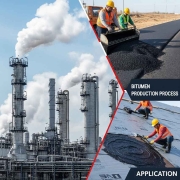
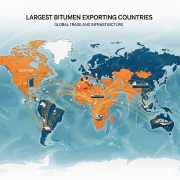
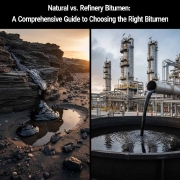
Explore more about heavy fractions like Bitumen or lubricants like Base Oil in our specialized technical sections.





A very clear distinction! One interesting thing to add for your readers is the role of Biocides in jet fuel. Unlike standard kerosene used for heating, jet fuel often requires additives to prevent microbial growth (fungi/bacteria) in fuel tanks, which can cause severe blockage. This is a crucial maintenance factor that differentiates aviation-grade fuel from common petroleum products.
Excellent addition, Sarah! Microbial contamination is indeed a “hidden” risk in aviation logistics. That’s why the hydro-treating process mentioned in the article is so vital—it removes the impurities that these microorganisms feed on. It’s these “unseen” refinements that justify the price premium of Jet A-1 over standard kerosene.