
Asphalt or Bituminous Concrete: The Unsung Hero Under Our Wheels
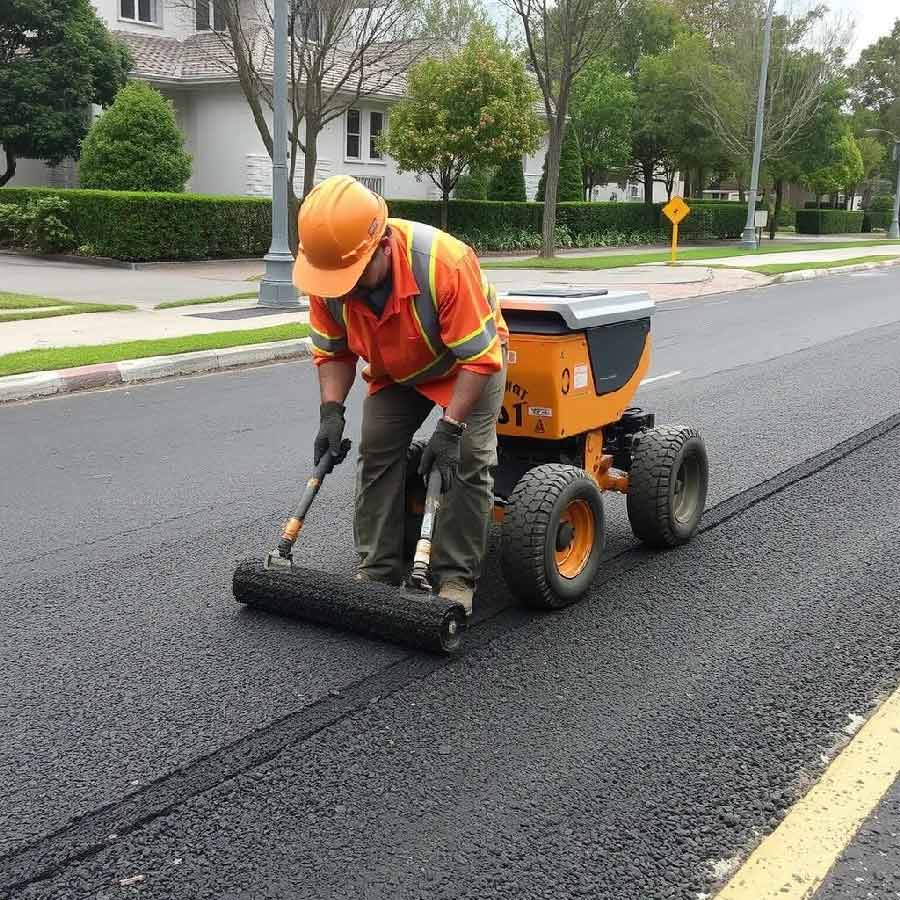
Ever wonder what makes those roads you drive on so smooth and durable? Chances are, you’re cruising on a material called asphalt, though in some parts of the world, it’s known as bituminous concrete. This seemingly simple stuff is actually a clever mix of ingredients that plays a vital role in our transportation infrastructure. Let’s break down what it is and why it’s so important.
What’s in This Road Stuff Anyway?
Think of asphalt (or bituminous concrete) like a cake mix – it’s made up of different components that work together:
- The Tough Bits (Aggregates – about 90-95%): These are the workhorses of the mix, providing strength and stability. Imagine them as the flour and other solids in your cake. They can be crushed stone, gravel, or even sand, and the size and shape of these particles really matter for how well the road holds up.
- The Sticky Glue (Bitumen – about 5-10%): This is the magic ingredient that holds everything together. Bitumen is a thick, black, and sticky substance that comes from refining petroleum products (like what makes your car go!). Think of it as the eggs and oil in your cake batter, binding all the dry ingredients. Its stickiness and resistance to water are what make it so perfect for roads.
How Do They Make Asphalt?
Making asphalt is a bit like following a recipe, but on a much larger scale:
- Heating the Ingredients: First, the tough bits (aggregates) are heated up to get rid of any moisture and help the sticky bitumen coat them properly.
- Warming Up the Glue: The bitumen is also heated to make it more runny and easier to mix. The quality of the bitumen supply is super important here for a good final product.
- Mixing it All Together: The heated aggregates and bitumen are then thrown into a giant mixer, like a huge industrial-sized bowl. They’re blended until every little piece of aggregate is coated in that black, sticky goodness. This is what we call hot mix asphalt (HMA).
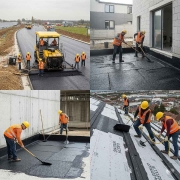
- Hitting the Road: The hot mix is then trucked to the construction site and spread out while it’s still warm using special machines.
- Making it Flat and Strong: Finally, heavy rollers come along and compact the mixture, squeezing out any air and making the road surface dense, smooth, and ready for traffic.
Different Kinds of Asphalt?
Just like there are different types of cake, there are also different kinds of asphalt, often achieved by tweaking the bitumen:
- Emulsified Bitumen: Imagine breaking up the sticky bitumen into tiny droplets and mixing them with water. This makes it easier to use at lower temperatures for things like patching roads or sealing surfaces.
- Cutback Bitumen: This involves dissolving the bitumen in a solvent to make it less thick. However, because of environmental concerns, this type isn’t used as much anymore.
- Super-Strong Bitumen (Polymer-Modified Bitumen): By adding special plastics (polymers) to the bitumen, engineers can make it more elastic, less sensitive to temperature changes, and better at resisting cracks and ruts from heavy traffic.
Asphalt vs. Bituminous Concrete: What’s the Deal with the Name?
You might hear this material called asphalt in places like the United States, Canada, and Australia. But if you travel to many countries in Europe (like the United Kingdom, Germany, and France) or parts of Asia, you’ll often hear it referred to as bituminous concrete.
“Bituminous concrete” is a more technical term that highlights how the bitumen acts like the cement in regular concrete, binding the aggregates together. “Asphalt” is just the more common, everyday term in certain parts of the world.
Why Should You Care?
Whether you call it asphalt or bituminous concrete, this material is the unsung hero of our modern world. It provides the smooth, safe, and durable surfaces that allow us to commute to work, transport goods, and connect with each other. From highways to airport runways, this blend of tough aggregates and sticky bitumen, derived from petroleum products, is truly the indispensable foundation beneath our wheels.




Given the article’s explanation of different types of asphalt and their differences (especially polymer-modified bitumen), if I am in charge of a road construction project in an area with very heavy traffic and significant temperature fluctuations (e.g., very cold winters and very hot summers), which type of asphalt should I choose to ensure the road has greater durability and lower long-term maintenance costs?
Your question is highly relevant and directly addresses the real-world challenges of road construction projects in areas with difficult climatic and traffic conditions. In such circumstances, without a doubt, the best choice for you would be to use asphalt made with Polymer-Modified Bitumen (PMB).
The main advantages of Polymer-Modified Bitumen under these specific conditions (heavy traffic and significant temperature fluctuations) are precisely these:
Increased Elasticity and Crack Resistance:
Significant Temperature Fluctuations: In very cold winters, conventional asphalt becomes brittle and prone to cracking due to thermal contraction. PMB significantly increases the elasticity of asphalt, making it more flexible at low temperatures and less susceptible to thermal cracking. In very hot summers, it prevents excessive softening of the asphalt, thereby increasing its resistance to rutting caused by heavy vehicle traffic.
Higher Resistance to Deformation and Rutting from Heavy Traffic:
Heavy Traffic: Polymers enhance the cohesion and resistance of bitumen to pressure and fatigue from repeated loading (continuous vehicle passage). This characteristic is crucial for roads with very heavy traffic, as it prevents the formation of ruts and waves on the asphalt surface.
Extended Pavement Lifespan and Reduced Long-Term Maintenance Costs:
Although the initial cost of producing asphalt with PMB might be slightly higher, its significantly improved durability and resistance to common failures (cracking, rutting) drastically reduce the need for frequent and costly maintenance. This leads to substantial long-term cost savings for the project.
Conclusion:
Considering the conditions you’ve described (very heavy traffic and significant temperature fluctuations), selecting asphalt with Polymer-Modified Bitumen is the optimal solution. This type of asphalt, by providing exceptional durability and stability, ensures that your road performs better and that its operational and maintenance costs are minimized in the long run, ultimately benefiting the project and the regional infrastructure.