
Gasoline Grades and Their Applications
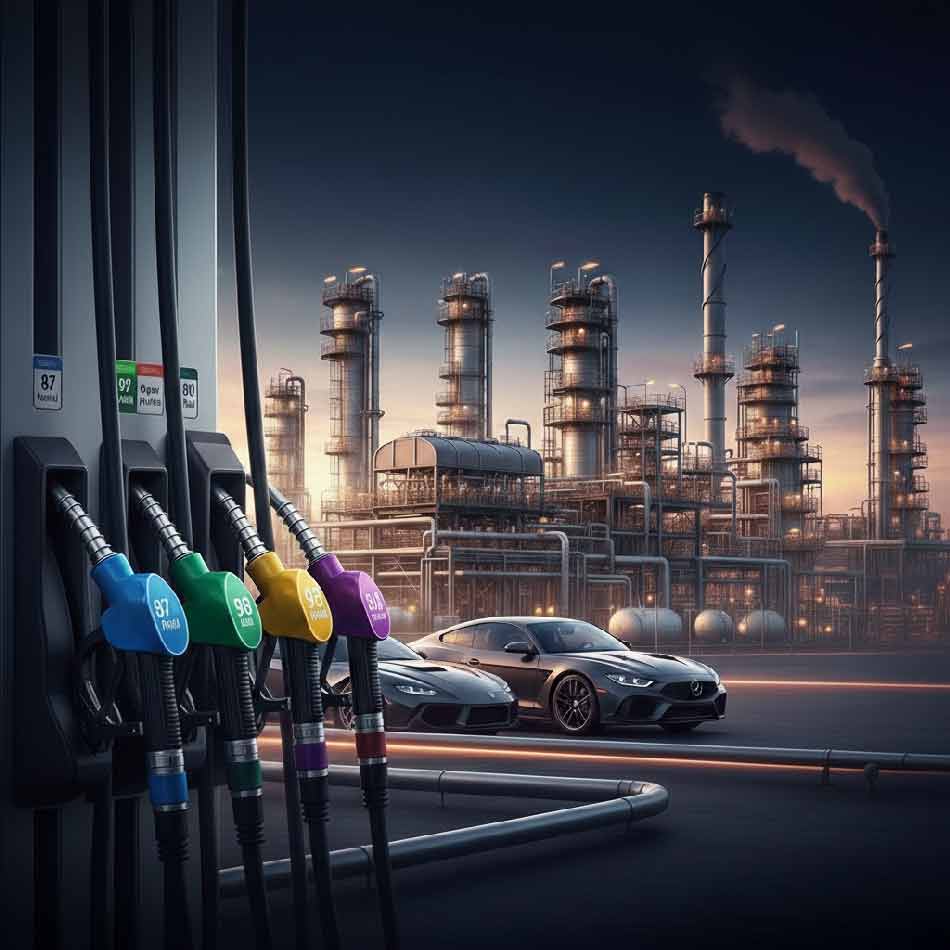
Gasoline, a crucial commodity in the global energy market, plays a vital role in the world economy. For professionals in the oil and petrochemical trade, a comprehensive understanding of different gasoline grades is essential due to significant variations in their technical specifications, applications, and pricing. The composition of gasoline is complex, influenced by factors such as the producing refinery, the type of crude oil used, and the intended grade. Marketable final gasoline is traded with a standard reference density, and its price is adjusted based on its actual density. This article aims to provide detailed information on the technical specifications, international standards, applications, and pricing factors of the main gasoline grades traded internationally.
Classification of Major Gasoline Grades Traded Internationally
Internationally traded gasoline grades can be classified based on various factors, including octane number, lead content, and regional standards:
Based on Octane Number:
- Regular/Standard Gasoline: This type generally has a lower octane number and is common in many markets (e.g., 87 AKI in the US, 91 RON in some regions). In the United States, regular gasoline typically has an octane rating of 87 AKI. In Japan, regular gasoline has an octane rating of 90 RON.
- Super/Premium Gasoline: This type has a higher octane number and is often required for high-performance vehicles (e.g., 91-94 AKI in the US, 95 RON and above in Europe). Premium gasoline in the United States generally has an octane rating of 91-94 AKI. The premium standard in Europe has an octane rating of 95 RON (Eurosuper). Super premium gasoline can have an octane rating higher than 98 RON.
- Mid-Grade Gasoline: An intermediate octane option available in some markets (e.g., 89-90 AKI in the US). Mid-grade gasoline in the United States typically has an octane rating of 89-90 AKI.
Based on Lead Content:
- Leaded Gasoline: Increasingly being phased out but still used in some specific applications (e.g., aircraft, racing). Leaded aviation gasolines are covered under ASTM D910.
- Unleaded Gasoline: The dominant type of gasoline traded internationally. EN 228 standard specifies the requirements for unleaded gasoline.

Based on Regional Standards:
- European Standards (EN 228): Primarily defines unleaded gasoline with specific requirements for RON, MON, density, RVP, sulfur, benzene, and oxygen content. EN 228 specifies two types of gasoline based on oxygen content.
- North American Standards (ASTM D4814): Defines specifications for automotive spark-ignition engine fuel in the United States and Canada, including different volatility classes based on season and region. ASTM D4814 includes specifications for regular, mid-grade, and premium gasoline.
- Aviation Gasoline Standards (ASTM D910, D6227): Specifies requirements for leaded and unleaded aviation gasoline (Avgas). ASTM D910 covers leaded grades of Avgas, while ASTM D6227 covers unleaded grades.
Industrial and Commercial Applications of Different Gasoline Grades
Automotive Fuel:
- Unleaded Regular/Standard Gasoline: Primarily used in most gasoline-powered cars and light trucks that do not require high octane fuel.
- Unleaded Super/Premium Gasoline: Recommended or required for vehicles with high-compression engines, sports cars, and luxury vehicles to prevent knocking and optimize performance.
Aviation Fuel:
- Avgas (Leaded and Unleaded): Used as fuel in piston-engine aircraft. Different grades exist based on octane number and lead content. Avgas 100LL is the most common aviation gasoline.
- Jet B: A wide-cut turbine fuel for aircraft, a blend of gasoline and kerosene, used in cold climates for better cold-weather performance.
Industrial Solvent:
- Gasoline can be used as a solvent for oils, greases, and asphalt. It is used as a base solvent in the paint industry.
- Used for removing asphalt residues, offering a cost-effective alternative to specialized solvents.
Other Industrial Applications:
- Fuel for power generation in some instances.
- Fuel for small engines in equipment like lawnmowers and chainsaws.
- Feedstock for steam cracking units to produce olefins. Alkylate, a component of gasoline, is used as feedstock for specialty fuels.
Factors Affecting Gasoline Grade Pricing in International Markets
- Crude Oil Prices: The most significant factor, as crude oil is the primary raw material for gasoline production process.
- Refining Costs: The cost of refining crude oil into gasoline, which varies based on refinery complexity, energy costs, and the specific grade produced.
- Transportation and Logistics: Costs associated with transporting gasoline from refineries to storage hubs and then to distribution points.
- Regional Supply and Demand: Local supply disruptions, seasonal demand patterns (e.g., increased driving in summer), and import/export balances influence prices.
- Regulatory and Environmental Costs: Costs related to complying with environmental regulations, such as blending mandates (e.g., ethanol requirements) and taxes (e.g., carbon taxes).
- Market Speculation and Geopolitical Influences: Trading activities, investor sentiment, and geopolitical events can create price volatility.

Market Trends and Forecasts for Global Demand and Supply of Different Gasoline Grades
- Growth of Vehicle Fleets: Increasing vehicle ownership in developing economies, particularly in Asia, is expected to drive gasoline demand in the short to medium term. China has high gasoline quality standards with room for improvement. Indonesia is upgrading fuel standards, leading to increased octane demand.
- Technological Advancements in Engine Efficiency: Improvements in engine technology are leading to better fuel economy, potentially moderating the growth in gasoline demand. The development of high-octane fuel standards supports more efficient engines.
- Increasing Use of Alternative Fuels and Electric Vehicles: The global push towards decarbonization and the rise of electric vehicles (EVs) pose a long-term threat to gasoline demand. Fuel ethanol use is expanding globally but is concentrated in a few markets.
- Evolution of Environmental Regulations: Stricter environmental regulations are encouraging the use of cleaner fuels with lower sulfur and benzene content and increased use of biofuels like ethanol. Many countries set limits on gasoline aromatics and benzene.
- Broader Impact: Traders need to monitor these trends closely to adapt their strategies to the evolving global gasoline market, potentially focusing more on cleaner grades and anticipating shifts in regional demand. Reports from organizations like the IEA and market analysis firms will be valuable resources. The global gasoline market size reached $129.5 billion in 2024 and is expected to grow.
Specialized Articles on Gasoline
An overview of the shelf life of different gasoline grades and practical tips for proper fuel storage.
What Is Reformulated Gasoline?
An introduction to reformulated gasoline (RFG), including its key characteristics, advantages, and potential drawbacks.
Gasoline Technical Data Sheet (TDS)
A guide to understanding gasoline technical data sheets and how to interpret laboratory analysis reports.
Signs and Problems of Low‑Quality Gasoline
A detailed look at the common indicators of poor‑quality gasoline and methods used to identify fuel quality issues.
An overview of common gasoline additives and how they influence fuel performance and engine efficiency.
Gasoline Price Outlook for 2026
An analysis of expected gasoline price trends and the major factors that may influence fuel prices in 2026.
Top 10 Gasoline‑Producing Countries
A review of the leading countries involved in gasoline production and their role in the global fuel market.
What gasoline color indicates and why different types of gasoline may appear in different colors.
What white gasoline is and where it is commonly used.
Key differences between gasoline and kerosene, along with situations where each fuel is more suitable.
A comparison of gasoline and diesel, highlighting their similarities, differences, advantages, and limitations.
An explanation of the similarities and differences between naphtha and gasoline and how they are used in industry.
An introduction to E85 fuel, a gasoline blend known for its lower emissions and alternative fuel characteristics.
Conclusion
For professionals in the oil and petrochemical trade, including those dealing with bitumen, LPG, kerosene, sulfur, and gas oil, a comprehensive understanding of the technical specifications, international standards, applications, and pricing dynamics of different gasoline grades is essential. The key differences between grades from a trading and commercial perspective, including price differentials, liquidity, and contractual considerations, are crucial for informed decision-making. Significant market trends, particularly the increasing adoption of alternative fuels and the impact of environmental regulations, will shape the future of gasoline demand and supply. Continuous monitoring of market developments and adaptation of trading strategies are necessary for success in the evolving global gasoline market.







The article explained different types of gasoline based on octane and other specs. For an average driver with a regular sedan or hatchback, not a sports or luxury car, does using premium gasoline with a higher octane number (e.g., 95 or 98 RON) actually provide any benefit, like better performance or longer engine life, or is it just an unnecessary expense?
That’s a very common and important question for many drivers. Based on the information in the article and general technical principles, the short answer is: For a regular sedan or hatchback whose manufacturer recommends lower-octane gasoline (like 87 AKI or 91 RON), using premium gasoline with a higher octane number (95 or 98 RON) typically offers no noticeable benefit or economic advantage and is mostly an unnecessary expense.
Why?
Modern Engines and Sensors: Today’s car engines (even standard ones) are equipped with “knock sensors” that detect harmful pre-ignition and adjust the ignition timing accordingly. If lower-octane gasoline is used, these sensors will intervene and adjust the engine to prevent damage.
Octane Requirement: Higher octane is only beneficial when the engine requires it. Sports cars, luxury vehicles, or those with high-compression engines need high-octane gasoline (like 95 or 98 RON) to prevent “knocking” (premature combustion and engine pinging) and to achieve maximum power and performance. The engine’s system in these cars is designed to optimally utilize higher octane.
Impact on Performance and Engine Life: For regular cars, using premium gasoline will not increase engine power (because the engine isn’t designed to take advantage of higher octane) nor will it significantly extend engine life. Fuel consumption also won’t change, or the change will be negligible. You should only use higher-octane gasoline if your car’s owner’s manual explicitly recommends it.
In summary, for most regular cars, “standard” or “regular” gasoline with the octane recommended by the manufacturer is the best and most economical option. Paying extra for premium gasoline in these cases is largely a waste of money.
This article provides valuable information for petroleum product traders and fuel industry professionals. Based on the points raised, to gain a deeper understanding of market dynamics and optimize fuel selection, an important question came to mind:
What are the key factors influencing gasoline prices in international markets, and how can petroleum product traders monitor and predict these factors to make better commercial decisions?
Gasoline prices in international markets are influenced by a combination of key factors that petroleum product traders must closely monitor to make intelligent decisions. These factors include:
1. Crude Oil Prices:
The Most Fundamental Factor: Crude oil is the primary raw material for gasoline production, and any fluctuation in its price (due to global supply and demand, geopolitical events, or OPEC decisions) directly impacts gasoline prices. More than half of the gasoline price is determined by crude oil prices.
2. Refining Costs:
Converting Oil to Gasoline: The process of refining crude oil into gasoline requires investment and operational costs. The complexity of refineries, the type of gasoline grade produced (e.g., higher-octane, lower-sulfur grades are more expensive), and the refinery’s energy costs influence this part of the price.
3. Regional and Global Supply and Demand:
Market Balance: Increased demand (such as during the summer driving season) or supply disruptions (like natural disasters, terrorist attacks, or sanctions) can lead to price increases. Conversely, oversupply or decreased demand lowers prices.
Long-Term Trends: Growth in vehicle fleets in developing countries, improvements in engine efficiency, and the expansion of electric vehicles and alternative fuels all impact supply and demand dynamics in the long term.
4. Taxes and Government Regulations:
Government Policies: Governments in many countries impose significant taxes on gasoline sales (e.g., carbon taxes or environmental taxes), which constitute a substantial portion of the final price. Additionally, subsidies can artificially keep gasoline prices low.
Environmental Standards: Requirements related to reducing sulfur, benzene, and other pollutants increase production costs and, consequently, affect prices.
5. Distribution and Marketing Costs:
Transportation: The cost of transporting gasoline from refineries to storage terminals and then to gas stations (including shipping, insurance, and storage costs) is part of the final price.
Retail Markup: The profit margin of gas stations and distribution companies also impacts the final consumer price.
Traders can predict these factors and optimize their strategies for maximizing profitability and managing risk by continuously monitoring economic news, reports from international organizations (such as IEA and EIA), market analyses, and exchange rate fluctuations.
I love your blog.. very nice colors & theme. Did you make this website yourself or did you hire someone to do it for you? Plz answer back as I’m looking to design my own blog and would like to know where u got this from. kudos
The article mentions two ways to measure Octane: RON and AKI. For an international trader, which one is the global standard for pricing Unleaded Gasoline, and why is there a difference between the two numbers?
RON (Research Octane Number) is the most widely used global standard for international pricing and specification (especially in Europe and Asia). The difference arises because AKI (Anti-Knock Index) is the average of RON and MON (Motor Octane Number). Since MON measures performance under more severe conditions, AKI is typically 4 to 5 points lower than RON.
What strict limits does the European EN 228 standard set for “Benzene” and “Sulfur,” and why does this matter to traders?
Under Euro 5 (EN 228), sulfur must be below 10 ppm and benzene capped at 1% by volume. These limits are to reduce air pollution and prevent catalytic converter poisoning. A trader who buys gasoline with 2% benzene cannot sell it in the EU market and must re-refine or blend it at a high cost.